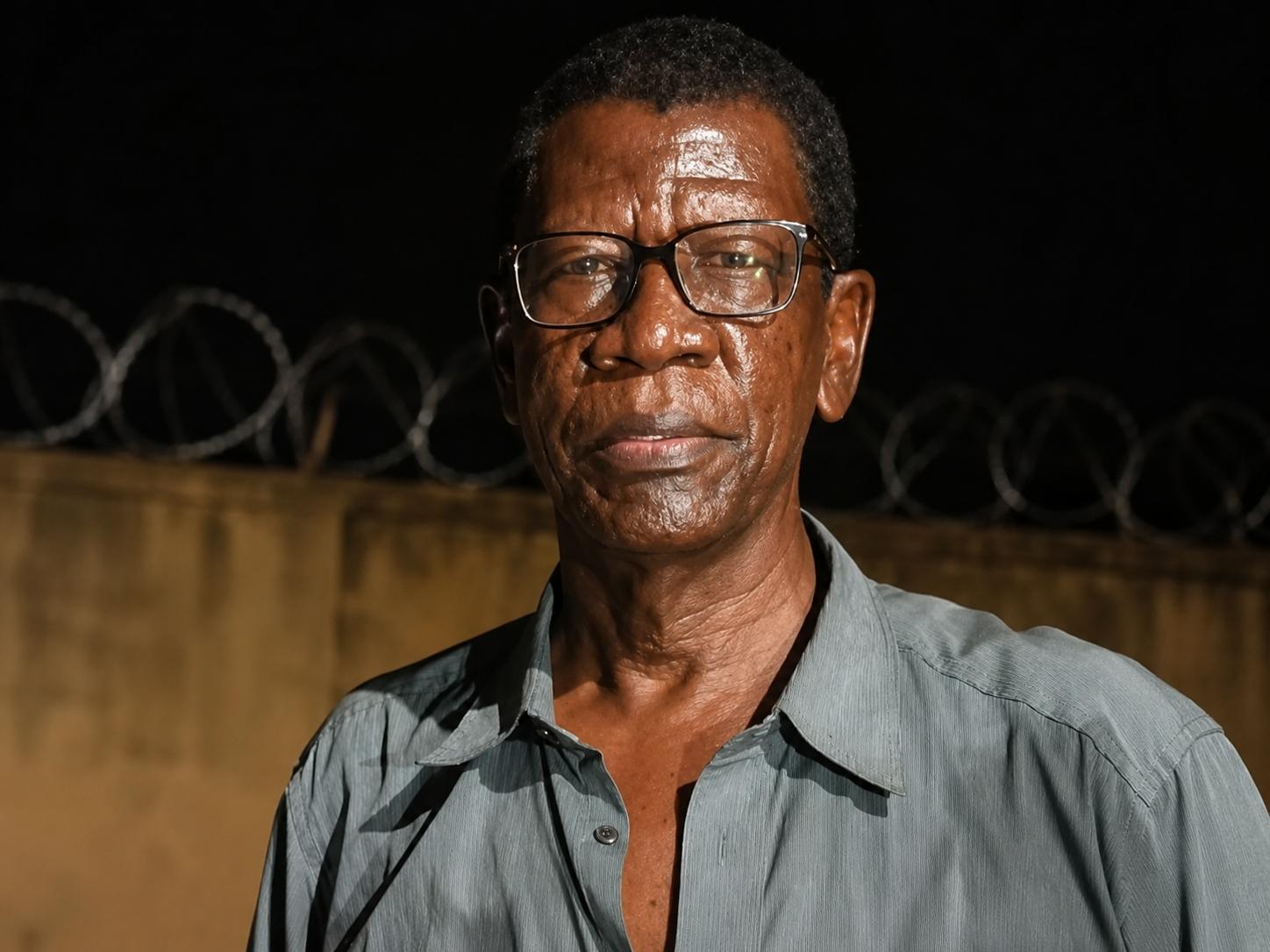
Boureima Amadou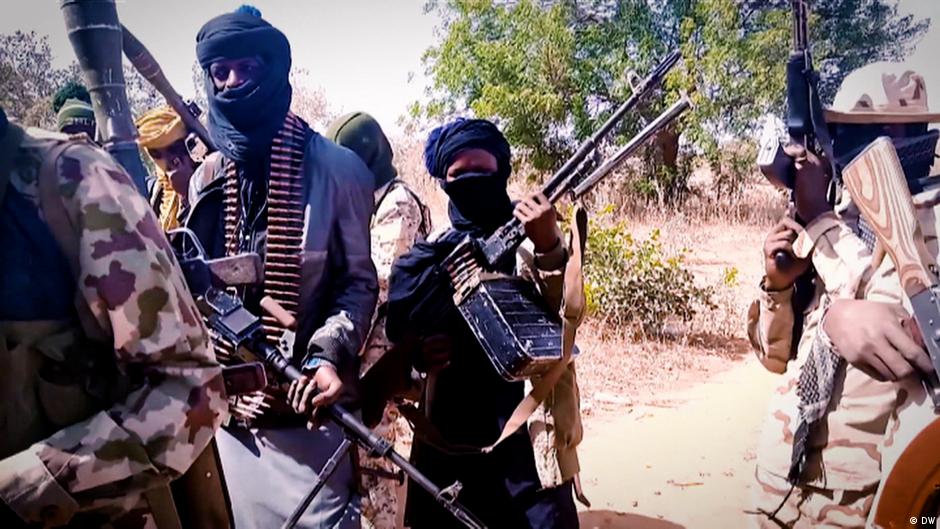
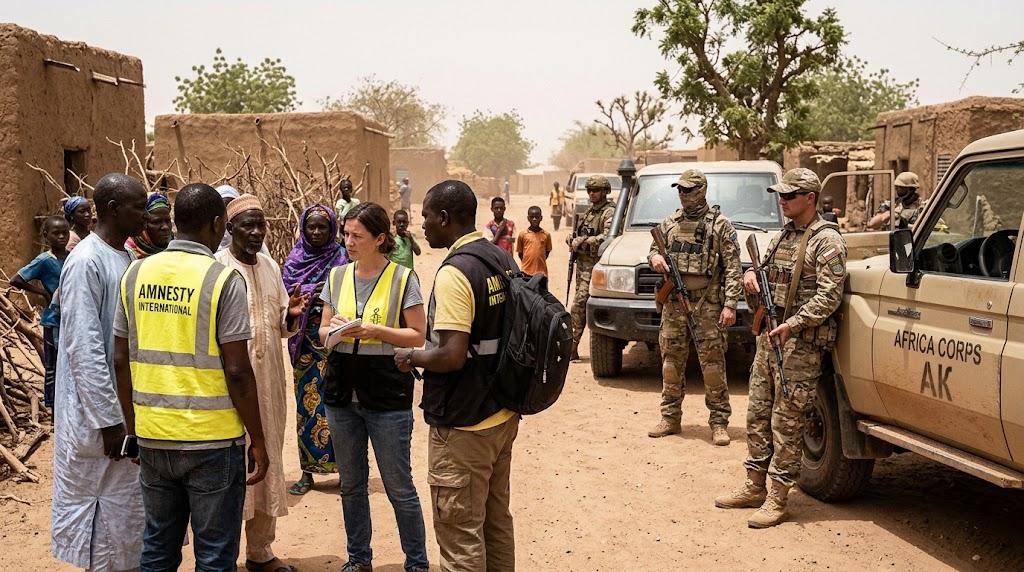
From the dusty plains of Borno to the remote villages of the Sahel, Boko Haram’s insurgency has morphed into a multi-million-dollar operation—fueled in part by a booming kidnapping industry. Across the African Sahel, from Nigeria’s northern states to the fringes of Chad, Niger, and Cameroon, the group has turned abductions into a lucrative revenue stream. Between July 2024 and June 2025 alone, nearly 5,000 people were seized in nearly 1,000 incidents, according to a report by SBM Intelligence, a leading Nigerian risk assessment firm. These attacks, often targeting schools and bus routes, underscore the scale of a crisis that transcends borders.
The numbers tell only part of the story. More than a thousand fatalities have been linked to these kidnappings, with Boko Haram and its rival faction, the Islamic State’s West Africa Province (ISWAP), dominating the landscape. While Boko Haram is notorious for large-scale abductions—such as the mass seizure of schoolchildren in 2014—ISWAP has refined the tactic, using it to fund operations while avoiding the indiscriminate violence that once defined its parent group.
the economics of kidnapping: how boko haram profits from human suffering
The financial mechanics behind these abductions reveal a disturbing business model. Ransom demands routinely reach millions of naira or CFA francs, with families, communities, and even governments forced to pay to secure the release of loved ones. In one recent case near the Chad-Niger border, Boko Haram abducted seven Chadian nationals, including a physician. The group demanded 50 million CFA francs for five captives, but doubled the price for the doctor—500 million CFA francs. This staggering figure was highlighted by the Chadian Human Rights League, underscoring the group’s ruthless calculation in targeting high-value victims.
Over the same 12-month period in Nigeria, ransom demands totaled an estimated $35 million, with at least 5% of that amount—$1.8 million—paid out in settlements. Despite a 2022 law criminalizing ransom payments, enforcement remains inconsistent. Nigerian authorities deny systematic payouts, yet reports suggest otherwise. In November 2025, nearly 230 students and staff from a Catholic school in Niger State were freed after what officials described as a military operation. However, intelligence sources allege that a substantial ransom—reported between €1.3 million and €6 million—was secretly transferred to Boko Haram via cash deliveries, including helicopter transport to a senior commander in Borno State. The government dismisses these claims as baseless, insisting the release resulted from intelligence and precision strikes. Yet experts warn that acknowledging ransom payments could embolden the group’s propaganda efforts.
beyond cash: the dual purpose of kidnappings
Kidnapping serves Boko Haram and ISWAP in two critical ways. First, it fuels recruitment. Young men are coerced into joining the ranks, while women are often subjected to forced marriages or sexual slavery. Entire communities have been pressured into providing fighters or labor. Second, abductions generate immediate financial returns through ransoms, which fund weapons, logistics, and operational expansion.
Remadji Hoinathy, a researcher at the Institute for Security Studies, explains the dual strategy: “These abductions are not random. They are calculated to sustain the group’s survival—both ideologically and financially. From forced conscription to economic exploitation, kidnapping is the lifeblood of their insurgency.”
the lake Chad basin: a jihadist stronghold
Boko Haram’s origins trace back to Maiduguri, the capital of Borno State in northeastern Nigeria, where the group was founded in 2002 by the hardline cleric Mohammed Yusuf. Its ideology—rooted in rejecting Western influence, education, and governance—sparked a brutal campaign to establish an Islamic caliphate. What began as a local insurgency soon metastasized into a regional menace, spreading across the Lake Chad Basin into Niger, Chad, and Cameroon.
The Lake Chad Basin has become the epicenter of Boko Haram’s operations due to its unique geography and governance gaps. The region is a porous transnational space where state presence has historically been weak. It serves as a crossroads for arms and fighters from the Sahel and Libya, while its agricultural and pastoral economies provide both sustenance and financial leverage for jihadist groups. The basin’s maze of islands, swamps, and dense forests offers natural cover, enabling militants to evade military pressure and regroup after offensives.
Remadji Hoinathy elaborates: “The Lake Chad Basin is not just a hideout—it’s a strategic hub. From here, Boko Haram and its affiliates can project power, smuggle resources, and exploit local economies. The Sahel’s instability, combined with porous borders and limited state control, makes this terrain ideal for insurgent survival.”
the split that reshaped the insurgency: iswap’s rise
The Islamic State’s West Africa Province (ISWAP) emerged in 2016 from a schism within Boko Haram. Disillusioned by the indiscriminate violence of former leader Abubakar Shekau—who targeted civilians regardless of faith—ISWAP pledged allegiance to the Islamic State and adopted a more pragmatic approach. By cultivating relationships with local communities and focusing on governance rather than sheer terror, ISWAP has carved out its own territory in the Lake Chad Basin.
Yet the rivalry between Boko Haram and ISWAP has fueled a deadly internal conflict. Both groups vie for influence, resources, and recruits, turning the region into a battlefield of competing jihadist visions. Their clashes have intensified instability, complicating efforts by regional governments to restore order.
regional responses: between force and development
The four nations most affected—Nigeria, Chad, Niger, and Cameroon—have sought to counter Boko Haram through coordinated military efforts under the Multinational Joint Task Force. Yet despite over a decade of counterinsurgency operations, the group remains resilient. Remadji Hoinathy notes that while military responses have contained Boko Haram to some extent, they have not dismantled its financial networks or ideological appeal.
In addition to military action, regional governments have launched stabilization programs aimed at rebuilding communities and restoring state authority. However, these efforts face immense challenges. The insurgency’s adaptive nature—shifting tactics, diversifying funding sources, and exploiting local grievances—has allowed it to endure. With over 40,000 deaths and 2 million displaced persons since 2009, the crisis shows no sign of abating.
International partners, including the United States, have stepped in to support Nigeria’s military through training and logistical aid. Yet the question remains: can force alone defeat an insurgency that thrives on economic exploitation and community disillusionment?


 Mariama Hamani