Boureima Amadou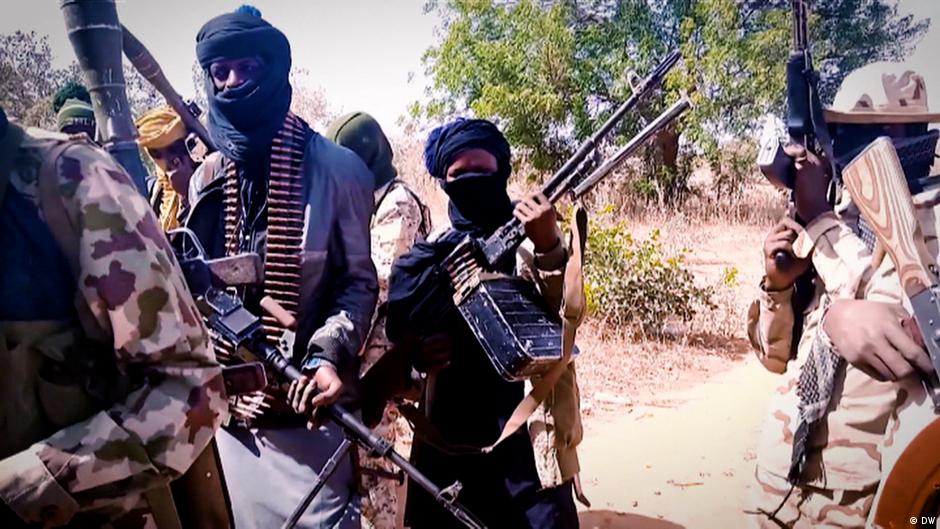
how Boko Haram funds its insurgency through kidnappings
In the vast Sahel region, where state authority is often fragile, kidnappings have evolved into a highly profitable industry for armed groups. Among them, Boko Haram stands out for its systematic use of abductions to finance its operations across Nigeria, Niger, Chad, and Cameroon. This strategy, which combines ideological recruitment with financial extortion, has transformed hostage-taking into a lucrative revenue stream for jihadist factions.
the scale of the kidnapping epidemic in West Africa
Recent data from Nigeria—the epicenter of this crisis—paints a grim picture. According to a study by SBM Intelligence, a Nigerian risk assessment firm, over 4,700 people were abducted in nearly 1,000 incidents between July 2024 and June 2025. These attacks, often targeting schools, have left hundreds dead and exposed the systematic nature of the kidnapping-for-ransom model.
The violence is not confined to Nigeria. In Cameroon, Boko Haram claimed responsibility for the abduction of bus passengers in Ziguinchor, in the Far North region. Meanwhile, in Niger, the group seized seven Chadian nationals near the border in late March, with one hostage killed and the rest still held captive. Ransom demands in these cases ranged from 50 million CFA francs for five hostages to a staggering 500 million CFA francs for a doctor among them—a figure reported by the Chadian Human Rights League.
how kidnappings fuel Boko Haram’s war machine
For Remadji Hoinathy, a researcher at the Institute for Security Studies (ISS), abductions serve two critical purposes: recruitment and financing. Young men are forcibly conscripted into militant ranks, while women and entire communities are subjected to exploitation as fighters, laborers, or sex slaves. On the economic front, ransom payments—often in the thousands or millions of naira or CFA francs—provide a steady income for the group.
In Nigeria, the ransom economy is estimated to have generated $35 million in demands over the past year, with at least $1.8 million—roughly 5% of the total—paid out by families or state authorities despite official denials. The Nigerian government has repeatedly pledged not to negotiate with terrorists, even enacting a 2022 law that criminalizes ransom payments with up to 15 years in prison. Yet, reports suggest that authorities have quietly paid substantial sums to secure the release of hostages, including 230 students and staff from a Catholic school in Niger State in November 2025. While Abuja denies these claims, citing intelligence-led military operations, experts warn that acknowledging ransom payments could embolden jihadist propaganda.
the Lake Chad basin: a jihadist stronghold
Boko Haram originated in Maiduguri, the capital of Borno State in northeastern Nigeria, in 2002 under the leadership of Mohammed Yusuf. The group’s name, meaning “Western education is sinful” in Hausa, reflects its rejection of secular institutions. Over time, it expanded beyond Nigeria’s borders, establishing a foothold in the Lake Chad basin—a strategic region encompassing parts of Niger, Chad, and Cameroon.
Hoinathy emphasizes the basin’s significance: “It’s a transnational space where weak state presence, porous borders, and economic activity create ideal conditions for insurgent groups.” The area’s remoteness—marked by islands, swamps, and dense forests—also provides cover for militants evading military pressure. Additionally, the region’s proximity to the Sahel and Libya makes it a hub for arms and fighter trafficking, further fueling the conflict.
the rise of ISWAP: a splinter group with global ambitions
The Islamic State in West Africa Province (ISWAP) emerged in 2016 following a schism within Boko Haram. Led by dissidents who opposed the group’s indiscriminate violence under Abubakar Shekau, ISWAP pledged allegiance to the Islamic State and adopted a more strategic approach. While Boko Haram continues its brutal tactics, ISWAP focuses on building local alliances and governance structures, offering services like healthcare and dispute resolution to win community support.
Today, the two groups are locked in a deadly rivalry, fighting for control of territory and resources in the Lake Chad basin. Their internecine conflict has intensified insecurity, complicating regional counterterrorism efforts.
regional responses: military might and fragile stability
The Multinational Joint Task Force (MNJTF), comprising troops from Nigeria, Niger, Chad, Cameroon, and Benin, has been the primary military response to the insurgency. However, as Hoinathy notes, “Each state initially relied on unilateral military solutions, but coordination through the MNJTF and stabilization programs—aimed at restoring state authority in affected areas—has shown limited success.”
Despite over a decade of conflict, Boko Haram and ISWAP remain resilient. The groups have repeatedly adapted to military pressure, exploiting local grievances and weak governance. The United Nations estimates that the insurgency has claimed 40,000 lives and displaced 2 million people in northeastern Nigeria alone. In response, the United States has deployed 200 troops to train and advise Nigerian forces, underscoring the international stakes in the fight against West Africa’s jihadist networks.


 Mariama Hamani