Boureima Amadou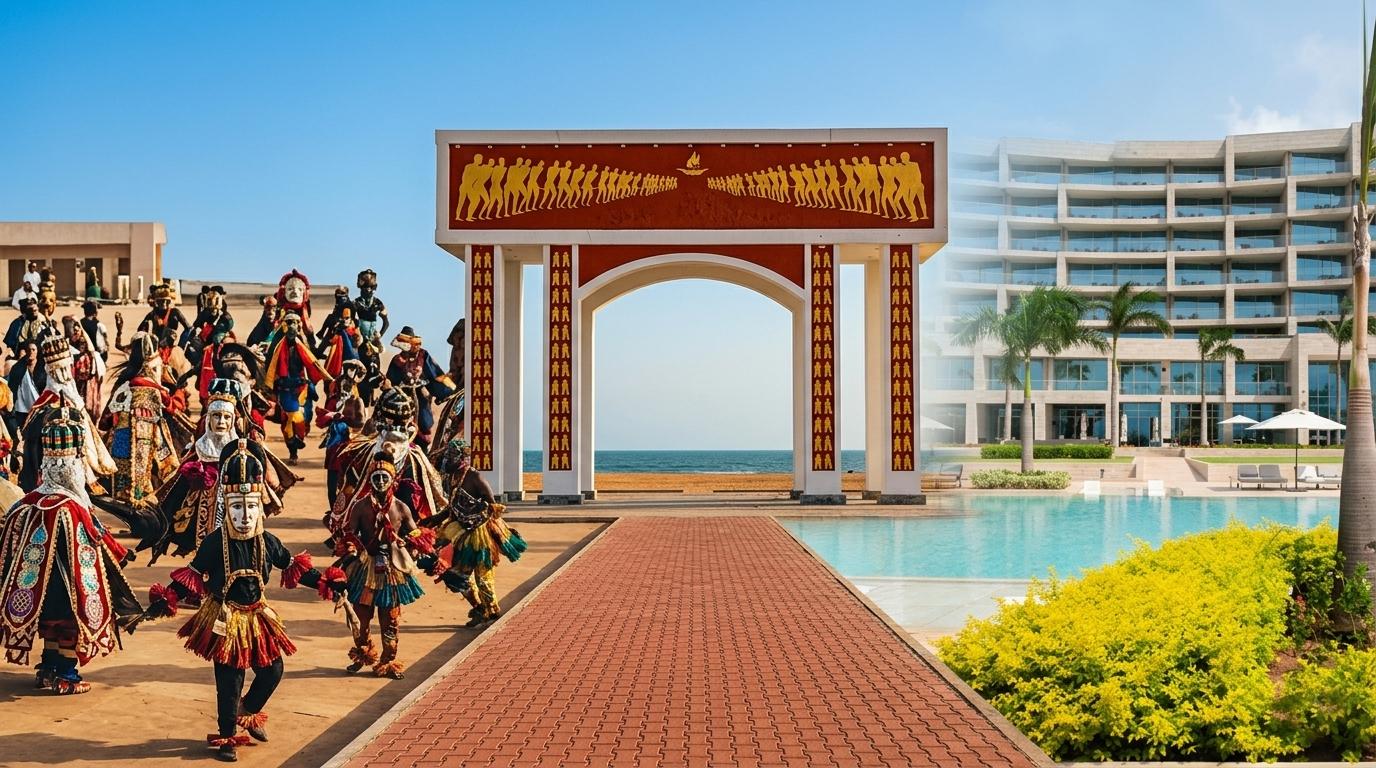
With a bold investment strategy funneling nearly 2 billion euros into culture, heritage, and hospitality infrastructure, Benin is rapidly transforming into a must-visit destination in West Africa. Once overshadowed by the continent’s major tourist hubs, the country is now reaping the rewards of its decade-long vision, drawing an increasing number of visitors from neighboring countries—particularly from the thriving Nigerian market.
Benin’s tourism strategy pays off with regional appeal
Over the past ten years, Benin has committed approximately 2 billion euros—equivalent to 1,200 billion West African CFA francs—to revamp its cultural and hospitality offerings. The results are undeniable: the nation is now experiencing a surge in tourist arrivals, with a significant portion coming from across the subregion, especially from Nigeria, its economic powerhouse neighbor.
A thriving corridor between Lagos and Cotonou
One of the most striking outcomes of this strategy is the emergence of a seamless tourism corridor linking Lagos and Cotonou. Just 90 minutes apart by road, Nigeria’s bustling commercial capital—home to over 20 million people—serves as an unparalleled source of visitors seeking leisure, relaxation, and cultural experiences.
This proximity has already transformed the tourism landscape:
- Weekend getaways: At the Sofitel Cotonou Marina, Benin’s first five-star hotel inaugurated in late 2024, Nigerian travelers now rank as the top clientele for weekend stays, eager to unwind and indulge in high-end amenities.
- Effortless travel: With visa-free entry granted to all African nationals and a direct land route connecting Lagos to Cotonou, getting to Benin is more convenient and cost-effective than ever, reducing reliance on expensive regional flights.
Cultural festivals drive international interest
Benin’s rich ancestral traditions are not only preserved but celebrated on a grand scale, drawing global attention and boosting tourism revenue:
- Vodun Days in Ouidah: The 2026 edition drew over 740,000 attendees—up from 435,000 in 2025 and 97,000 at its debut in 2024. Among the 144,000 foreign visitors, nearly 15% hailed from Nigeria, making it the third-largest international contributor after Togo (20%) and France (36%).
- International Mask Festival in Porto-Novo: The third edition saw a significant jump in attendance, highlighted by the presence of the iconic Eyo mask—rooted in Yoruba culture from Nigeria—and Côte d’Ivoire’s renowned Zaouli mask, symbolizing cultural exchange and unity.
Infrastructure expansion to meet 2030 targets
To accommodate the growing influx and meet its goal of welcoming 2 million tourists annually by 2030, Benin is fast-tracking major infrastructure projects:
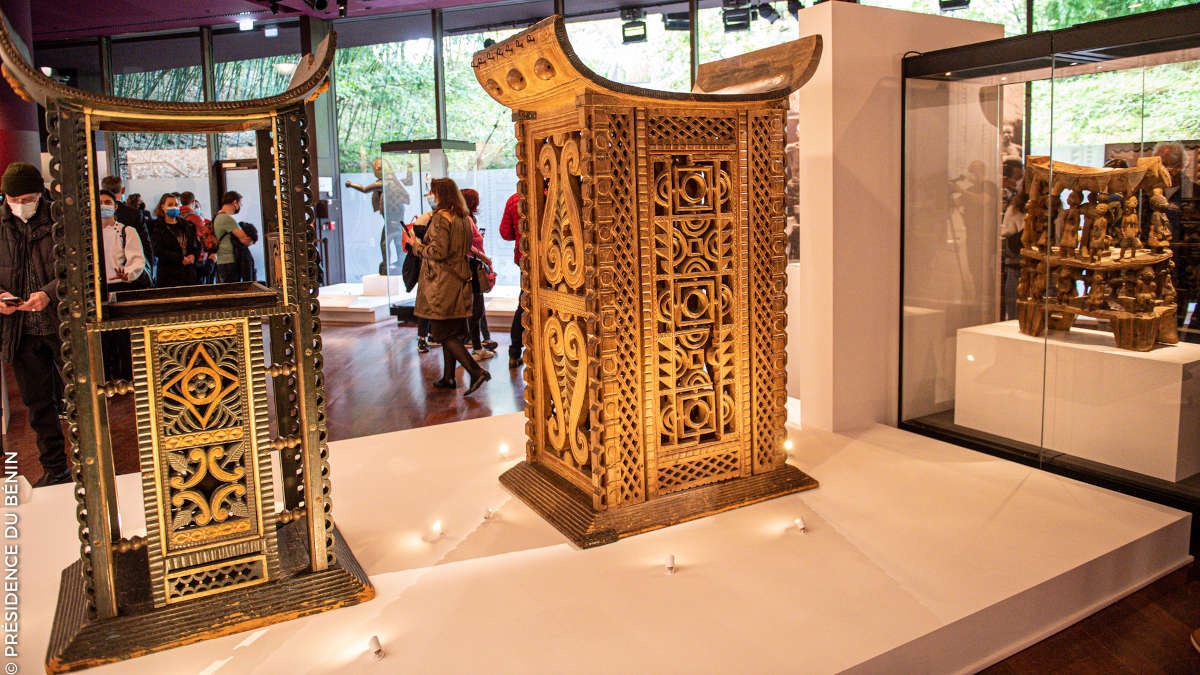
- International Vodoun Museum (Porto-Novo): A public investment of 27 million euros (18 billion FCFA) is nearing completion, set to become a flagship attraction for cultural tourism.
- Club Med Avlékété: A luxury resort with 336 rooms, currently under contract for 100 million euros (65.6 billion FCFA), slated to open in 2027.
- Global hotel brands: Plans are underway for the Hilton brand to establish a presence in Cotonou by 2028, alongside additional hospitality developments in Ouidah.
Looking ahead, the 2027 edition of Vodun Days will be extended to a full week (January 2–9), a strategic move aimed at maximizing local economic benefits by extending visitor stays and deepening cultural immersion.

 Mariama Hamani