Mariama Hamani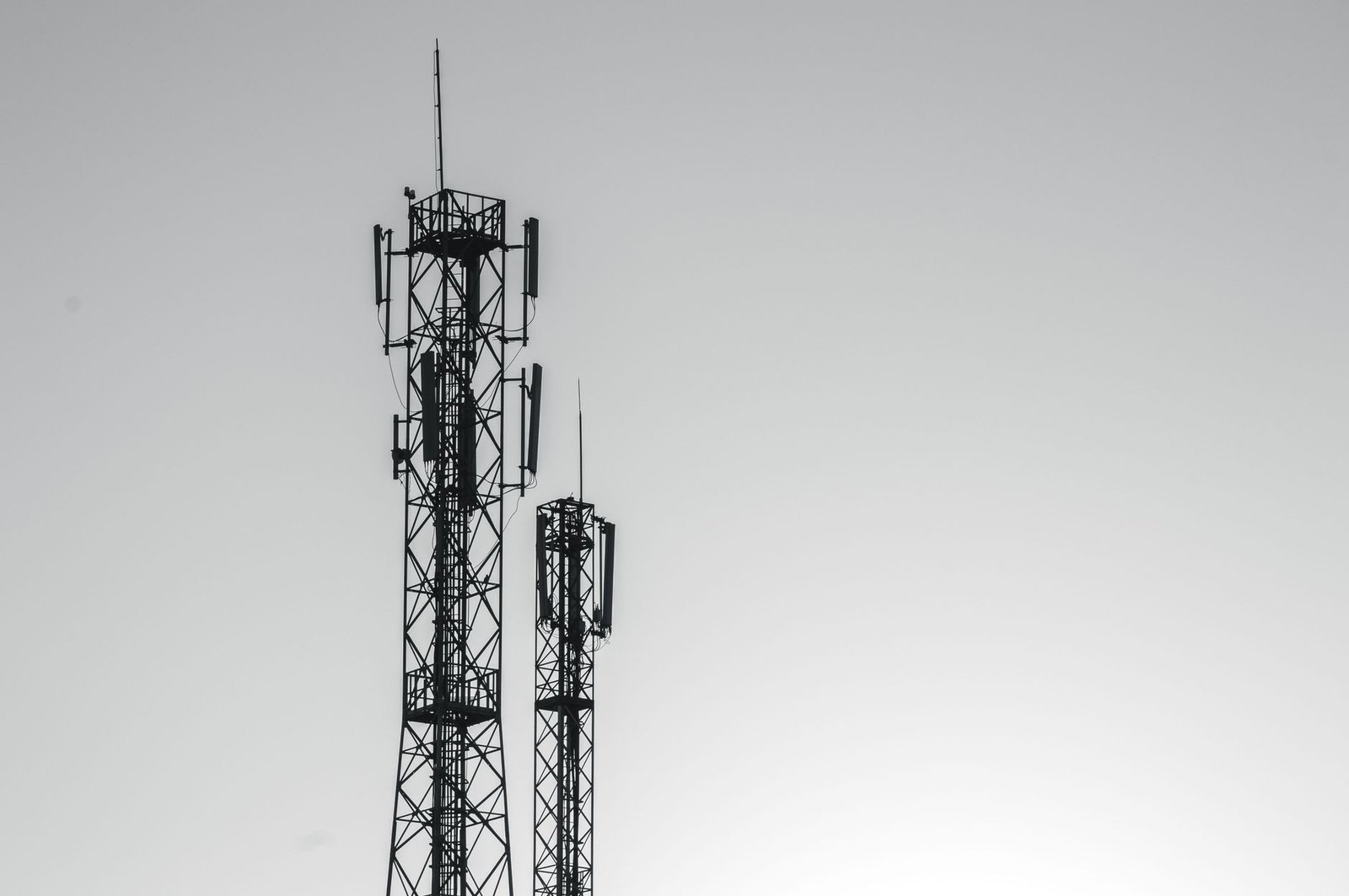
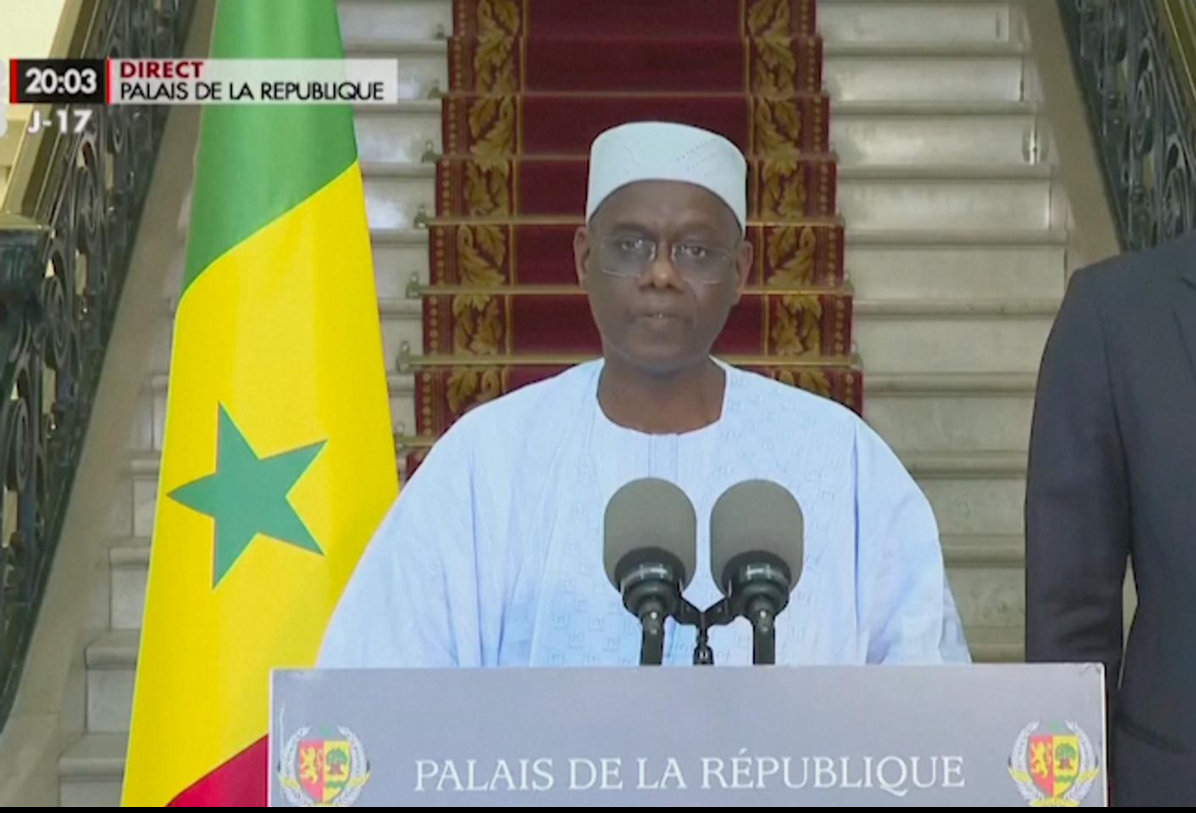
The British telecommunications giant, Helios Towers, is poised to inject a significant sum of 150 million dollars into Senegal’s burgeoning telecom sector. This substantial commitment follows a crucial meeting between President Bassirou Diomaye Diakhar Faye and the company’s CEO at the Republic Palace in Dakar. The investment aims to solidify the passive infrastructure manager’s footprint in a rapidly evolving Senegalese market, where robust mobile network densification is now paramount for the expansion of the digital economy.
A strategic industrial bet on mobile network densification
As a specialist in constructing, acquiring, and operating telecom pylons, Helios Towers provides essential physical infrastructure to major operators such as Orange, Free, and Expresso, facilitating the deployment of 2G, 3G, 4G, and now 5G technologies. This 150 million dollar pledge underscores a renewed confidence in Senegal’s economic trajectory, particularly as the nation’s new leadership prioritizes digital sovereignty and modernizing critical infrastructure.
Specifically, these funds are earmarked for expanding the group’s tower portfolio, upgrading existing sites, and enhancing their power supply, which often relies on a hybrid model combining grid electricity and solar energy. The shared use of passive infrastructure is a significant driver of competitiveness for mobile operators, who are increasingly outsourcing pylon management to concentrate their investments on service innovation and coverage expansion. This proven model, successfully implemented across several African markets, also contributes to reducing the sector’s carbon footprint by preventing the proliferation of redundant sites in the same geographical areas.
Dakar leverages infrastructure to bolster its digital strategy
The presidential audience occurs at a pivotal moment for Senegal’s digital policy. Since assuming power in April 2024, the Faye-Sonko administration has articulated an ambitious vision to position digital technology as a cornerstone of economic transformation. This vision is underpinned by the “New Deal Technologique” strategy and a clear intent to attract foreign capital into vital infrastructure projects. Furthermore, the recent allocation of 5G licenses to Sonatel and Free has heightened expectations for network coverage and service quality.
Within this dynamic landscape, Helios Towers’ investment perfectly complements the government’s initiatives. Without a denser and more reliable pylon network, the full potential of 5G would remain largely theoretical beyond major urban centers. The Senegalese government also views these investments as a catalyst for creating skilled employment, generating tax revenues, and facilitating knowledge transfer to local civil engineering and maintenance enterprises.
However, the London-listed British group operates within an increasingly competitive environment. Across the continent, it contends with prominent players like IHS Towers, ATC Africa, and the South African firm Vulatel. Senegal, a mid-sized market renowned for its robust regulatory framework, represents a crucial regional showcase for Helios Towers, capable of strengthening its credibility among institutional investors.
A strong signal to international capital
Beyond its purely industrial implications, this announcement carries significant diplomatic and financial weight. It comes as Dakar seeks to reassure international business circles following a period marked by the renegotiation of several contracts inherited from the previous administration and the publication of a concerning audit of public finances. The commitment of such a substantial sum by a listed British group serves as tangible evidence that the business climate remains attractive, despite recent turbulences.
For the Telecommunications and Post Regulatory Authority (ARTP), the challenge will be to oversee this deployment, ensuring that infrastructure densification genuinely benefits consumers through improved coverage and competitive pricing. Key areas of focus in the coming months will include the equitable sharing of sites among operators and the energy resilience of the pylons.
The precise timeline for the deployment of the 150 million dollars, along with its allocation between new site constructions, potential acquisitions, and modernization of existing infrastructure, remains to be detailed. Once formalized, the agreement is expected to provide more granular insights into Helios Towers’ true ambition in Senegal and its amortization horizon.

 Boureima Amadou