Boureima Amadou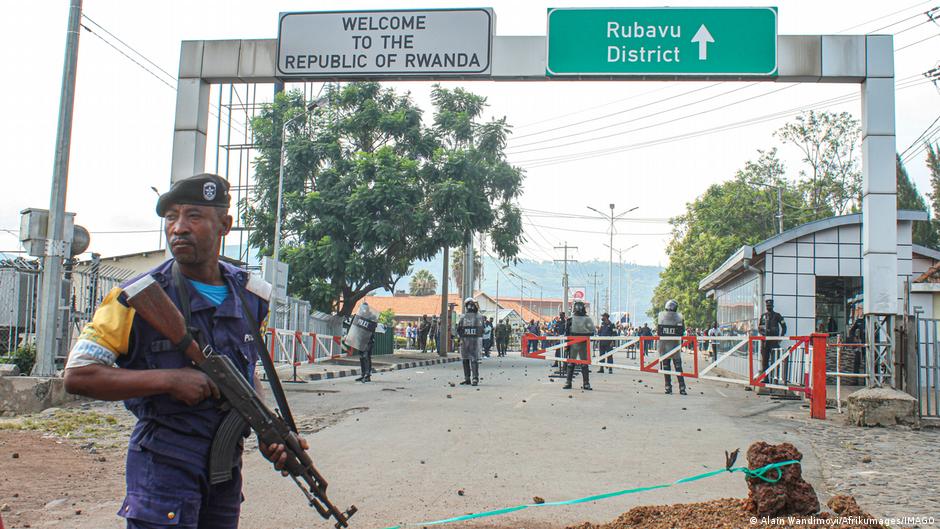
The suspension of passage at the border crossings between Goma, in the eastern République démocratique du Congo, and Gisenyi, Rwanda, is fueling significant anxiety among the local population. From street vendors to financial analysts, the consensus is clear: the local economy is reeling from the impact of these restrictions.
In an effort to mitigate the threat of an Ebola outbreak, Rwanda has implemented stringent measures, including the closure of its frontiers with the DRC. These actions are accompanied by rigorous health screenings at all national points of entry.
Small-scale traders face financial ruin
Jacques Safari, an egg vendor who has operated near the Goma crossing for years, is among those hit hardest. Since the border was sealed, his daily earnings have evaporated.
The drop in foot traffic has decimated his business. Previously, he could count on selling five trays of eggs each day, but now he struggles to sell even two. He points to the absence of regular travelers as the primary cause of his misfortune.
“The current socio-economic hardship is a direct result of the border being shut down, as the bulk of our buyers were people moving between the two countries,” he explained.
Supply chain disruptions for major wholesalers
The shutdown is also creating ripples through the wholesale sector. At the Birere market, business owners are reporting increasing hurdles in securing their stock.
Hamuli Kasilembo, a wholesaler in the market, noted that trade with Rwanda once provided a fast and dependable supply route. Today, logistics have become a nightmare and consumer demand has slumped. He observed that the circulation of currency has slowed significantly, making every transaction a challenge.
A predictable downturn for the region
Economic experts argue that this downturn was entirely foreseeable. Alphonse Muanda highlights that the daily commercial flow between Goma and Gisenyi is the cornerstone of the regional economy for both cities.
He noted that countless small-scale entrepreneurs rely on cross-border movement for their very survival. Many used to travel to Gisenyi daily to purchase essential goods such as rice, soap, and other wholesale commodities for resale.
“When the Rwandan authorities close the gates, it is the small traders who pay the highest price. Many of them lived day-to-day and were entirely dependent on this cross-border exchange.”
The decision by Rwandan officials to close the border was driven by health concerns to curb the spread of Ebola. As the restrictions persist, the people of Goma are increasingly fearful that social and economic instability will only worsen in the coming weeks.