
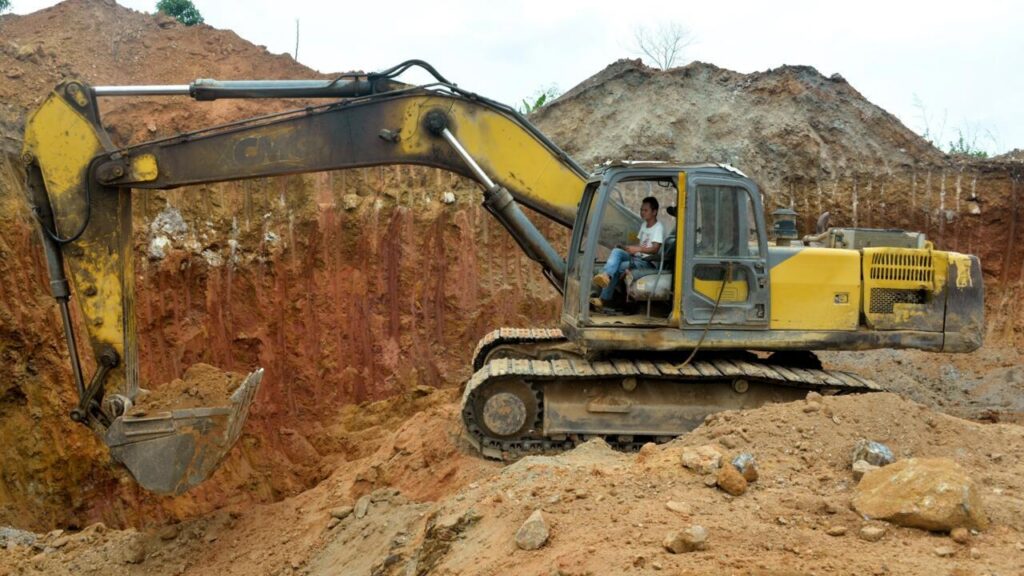
Across Cameroon and the Democratic Republic of Congo, gold extraction is expanding, yet the revenues generated are not fully reaching state coffers. This persistent shortfall stems from inadequate oversight within the gold sector, according to the latest assessment from the Institute for Security Studies (ISS). The findings highlight a widening gap between declared exports and actual production figures, raising serious concerns about transparency and accountability.
discrepancies in gold trade data
The ISS report reveals troubling inconsistencies between official export declarations and import records. While Cameroon reported exporting just 22 kilograms of gold in 2023, trading partners documented purchasing 15 tons from the country. This stark disparity underscores systemic weaknesses in tracking and regulating gold flows, leaving room for illicit activities and revenue leakage.
call for stronger oversight
Dr. Aïcha Pemboura, a researcher at the ISS’s Observatory on Organized Crime and Violence in Central Africa, emphasizes the urgent need for both national and foreign operators to be held accountable. She points out that current measures to clean up the gold sector in Cameroon fall far short of what is required to ensure fair revenue collection and prevent exploitation.
«Gold mining is a lucrative industry, but its benefits must benefit the people,» Pemboura asserts. «Without rigorous oversight and enforcement, the sector will continue to hemorrhage resources, undermining economic stability and development.»
The researcher stresses that transparency initiatives, such as those promoted by the Extractive Industries Transparency Initiative (EITI), are critical to closing loopholes and ensuring that all stakeholders—local communities, governments, and international buyers—adhere to ethical and legal standards.
the human cost of weak governance
Beyond financial discrepancies, the lack of accountability in gold mining has dire consequences for local populations. Artisanal miners, often working in hazardous conditions, receive minimal compensation while large-scale operators and foreign firms reap disproportionate profits. Environmental degradation, forced displacements, and labor abuses further compound the challenges faced by communities near mining sites.
Pemboura argues that sustainable solutions require more than just policy adjustments—they demand a cultural shift in how gold mining is perceived and managed. «It’s not just about numbers on a balance sheet,» she says. «It’s about dignity, justice, and the future of entire regions.»
pathways to reform
To address these issues, Pemboura advocates for a multi-pronged approach. Strengthening regulatory frameworks, enhancing community participation in decision-making, and fostering international cooperation are essential steps. She also calls for the implementation of technology-driven solutions, such as blockchain, to improve traceability and reduce fraud in the gold supply chain.
«The time for half-measures is over,» she concludes. «African nations must take bold action to reclaim their resources and ensure that gold mining contributes to inclusive growth rather than perpetuating inequality.»


More Stories
Niger’s leader faces rift with special forces after Russian involvement
Niamey’s quiet streets belie deep military discontent in Niger
Niger: internal military dissent challenges the Tiani regime