Mariama Hamani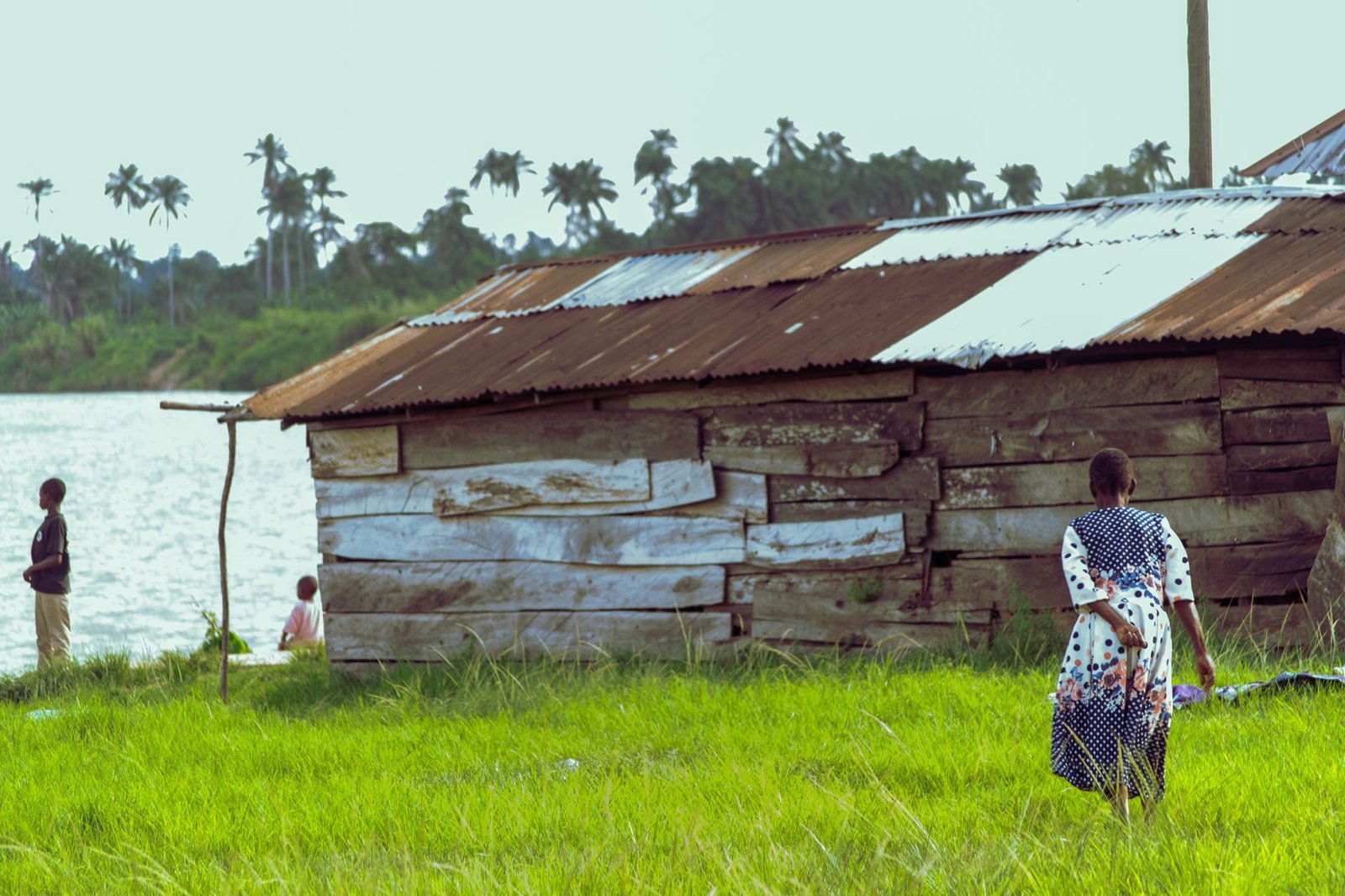
Nestled in Gabon’s southernmost reaches, where the Congo border looms large, the Nyanga province remains one of the country’s least populated and most isolated regions. Yet beneath its quiet landscape lies a staggering reality: over 77% of its residents live below the poverty line, according to the 2026 National Human Development Report (RNDH). The statistic, buried within the 219-page document, starkly contrasts with Gabon’s official narrative of high human development—a classification it shares with Africa’s top-performing nations.
a hidden crisis in a resource-rich nation
The Nyanga region, anchored by its administrative hub Tchibanga, struggles with crumbling infrastructure. Electricity flickers unpredictably, clean water is scarce, and healthcare access is a distant luxury for many. While Gabon’s macroeconomic indicators—including one of sub-Saharan Africa’s highest GDP per capita—paint a picture of prosperity, the stark poverty in Nyanga exposes deep territorial inequalities. The RNDH 2026 acknowledges these disparities but fails to elevate them into actionable policy recommendations.
The disconnect between national rankings and local suffering isn’t unique to Gabon. Across central Africa, nations blessed with extractive wealth often mask rural deprivation behind impressive aggregate figures. Administrative centralization and investment biases toward economic hubs like Libreville and Port-Gentil exacerbate these divides, leaving provinces like Nyanga in the shadows of progress.
why the 77% poverty rate demands urgent attention
For Gabon’s transitional government, which took power in August 2023, the RNDH’s findings present a critical test. Official rhetoric emphasizes restoring territorial equality through rural electrification, road rehabilitation, and agricultural revival. Yet translating these promises into budgetary commitments remains uncertain. Will the next fiscal laws reflect the urgency of Nyanga’s crisis, or will the data fade into obscurity?
The province’s once-thriving cattle ranches and agricultural potential now lie dormant. Youth migration to Libreville drains Nyanga of its workforce, deepening poverty cycles that national statistics alone cannot capture. The RNDH 2026 offers a vital snapshot—but its power lies in how Gabon chooses to act on it.
the road ahead: from data to decisive action
Transparency in reporting is only the first step. The real challenge is prioritizing Nyanga’s plight in national development strategies. Without clear benchmarks and targeted interventions, even the most revealing statistics risk becoming mere footnotes in Gabon’s development story. The question isn’t whether 77% of Nyanga’s population lives in poverty—it’s how long they’ll have to wait for change.

 Boureima Amadou