Gabon’s 2027 budget shift: prioritizing measurable outcomes over spending
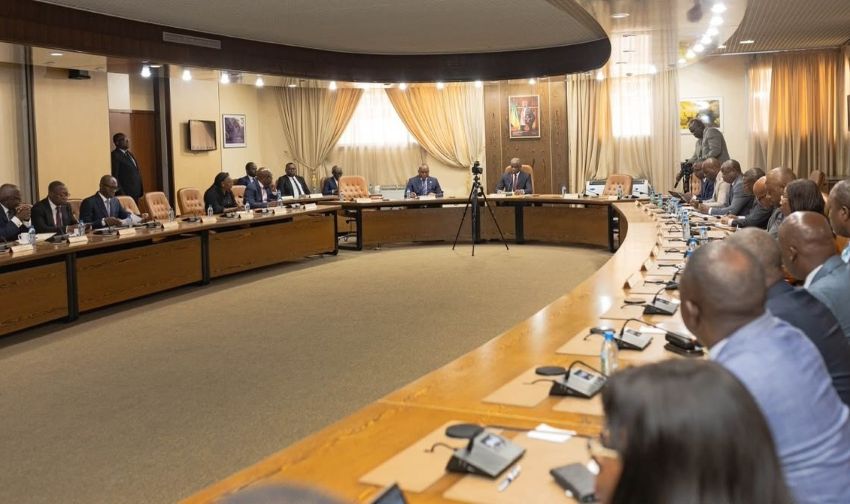
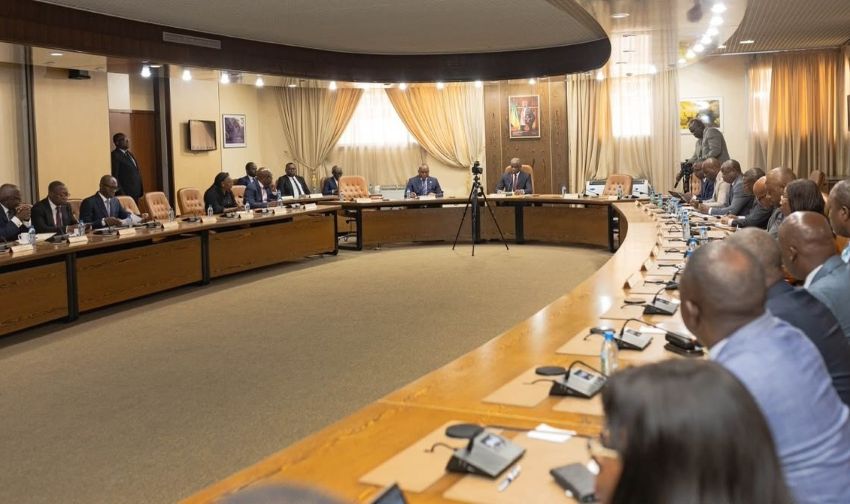
Libreville, July 16, 2026 — Gabon is launching one of the most ambitious budgetary reforms in its recent history. As the preparatory conferences for the 2027 Finance Bill get underway, authorities are not merely initiating another annual accounting exercise—they are announcing a definitive break from decades of administrative management that prioritized credit consumption over measurable outcomes.
The message to government agencies is unambiguous. Budgets can no longer operate as mere operational envelopes. Every franc allocated must now deliver tangible impact—whether in infrastructure, public services, job creation, or economic growth. In a region where public expenditure efficiency remains a pressing economic concern, Gabon aims to transform its budget into a powerful tool for national transformation.
Ending automatic budget allocations
The reform rests on a principle both straightforward and groundbreaking for many African administrations: public spending will no longer be justified by historical precedent, but by its capacity to produce concrete results. Completed roads, constructed schools, improved electricity access, job creation, business support, and revenue generation will replace outdated performance metrics. This shift targets long-standing practices criticized by international financial institutions—such as automatic credit rollovers, poorly documented expenditures, and unreported public revenue streams.
Government agencies must now submit comprehensive, evidence-based proposals with clear objectives. Revenues generated by public entities will be fully tracked and reinvested into national coffers to enhance transparency and fiscal accountability. For international partners, this represents a significant step in an era where governance quality increasingly shapes economic credibility.
Targeted growth with cautious assumptions
The government forecasts 5.1% growth in 2027, up from an estimated 4% this year, driven primarily by public and private investment and productivity gains. Notably, the budget projections are based on conservative oil price assumptions—a deliberate move to reduce the country’s vulnerability to volatile global energy markets.
Manganese, processed timber, and palm oil have emerged as key growth drivers in the authorities’ economic diversification strategy, reflecting a long-standing goal pursued with renewed institutional vigor. Yet history shows few oil-producing nations have successfully escaped hydrocarbon dependence without fundamental reforms to their economic models and governance.
Balancing fiscal discipline with social needs
Budget preparations coincide with ongoing discussions with the International Monetary Fund. Authorities have reassured the public on one critical point: financial consolidation must not come at the expense of citizens.
Social spending will be preserved across essential sectors including clean water, electricity, health, education, and support for vulnerable households. Six priority areas are already shaping budget decisions: improved water and energy services, youth entrepreneurship, infrastructure development, housing, social justice, environmental sustainability, and institutional strengthening.
The challenge remains formidable. Scarce resources must meet vast social expectations. The true test of the 2027 budget will not lie in parliamentary approvals, but in the state’s ability to convert allocated funds into visible improvements for the population.
Ultimately, success will be measured not in macroeconomic projections or budget tables, but in the daily lives of Gabonese citizens. If schools function better, if electricity and water become more accessible, if young people find more opportunities, and if infrastructure truly advances, then the country will have achieved a successful transition to a new era of public management. If not, the ‘results-based budget’ will join the long list of African reform initiatives that failed to deliver. The year 2027 could mark a defining moment for Gabonese economic governance—and perhaps a model for others to follow.

Boureima Amadou
Journalist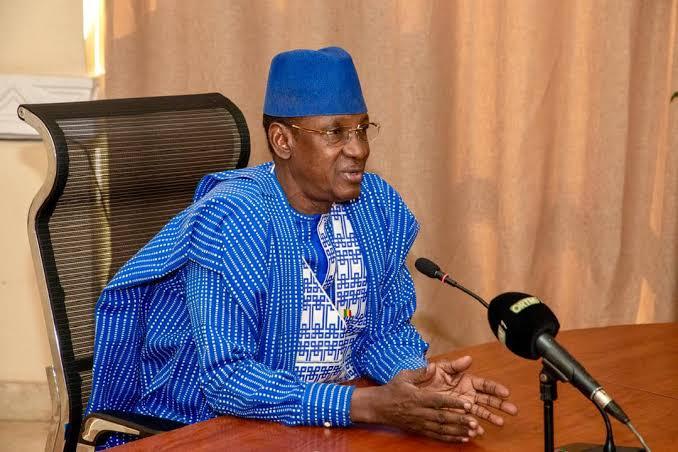
Boureima Amadou
- News
- October 27, 2026
- 3 views
Mali’s detained ex-PM Choguel Maïga hits 14-month mark: a turning point in the junta’s crackdown
From UN podium to prison cell: the dramatic fall of a military junta’s ideological architect Bamako — Fourteen months. That’s how long Choguel Kokalla Maïga has spent behind bars without…
- News
- October 26, 2026
- 17 views
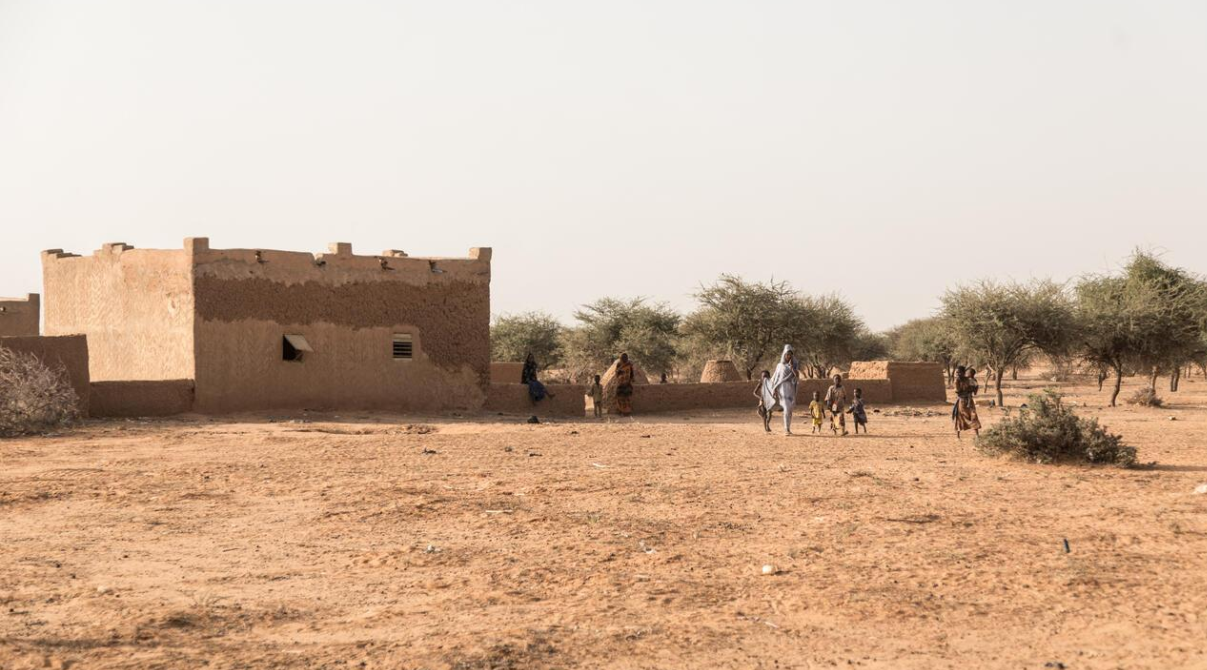
Tagadayat massacre sparks urgent calls for Mali’s security shift amid civilian crisis
The discovery of 54 bodies in the village of Tagadayat, just 35 kilometers southeast of Ménaka, marks a tragic turning point in Mali’s escalating security crisis. This brutal incident not…