Boureima Amadou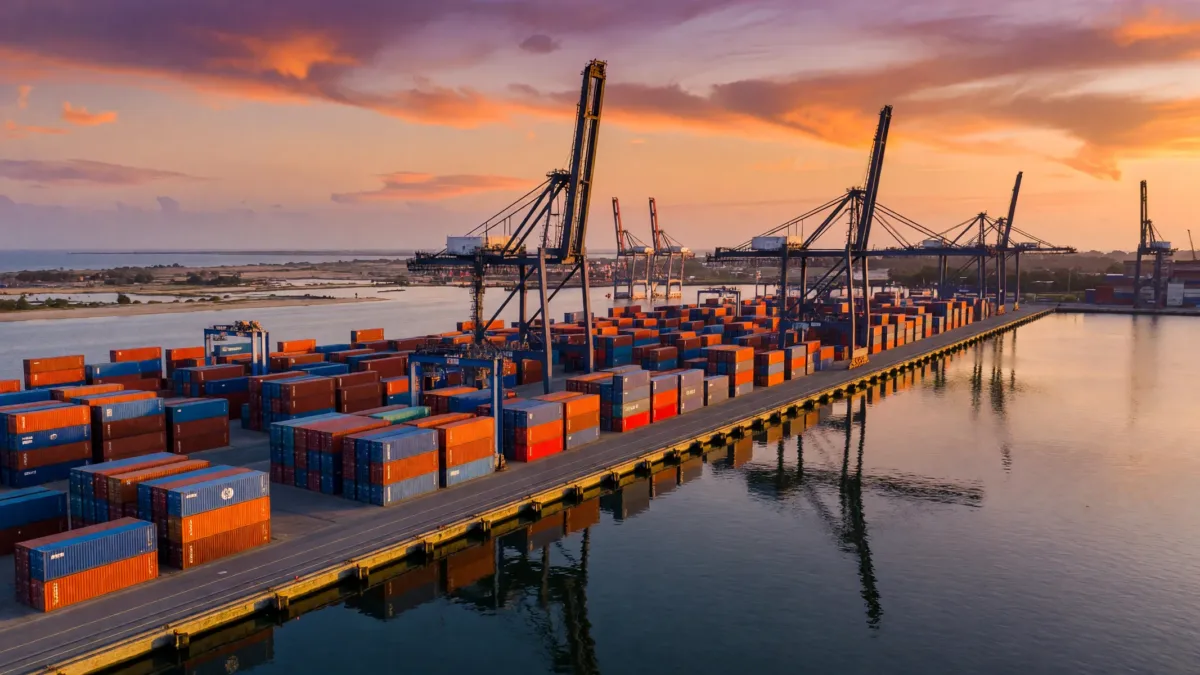
The Autonomous Port of Abidjan has strengthened its economic ties with Ouagadougou, Bamako and Niamey, as confirmed in mid-July. This strategic move reinforces the port’s position as a key West African logistics hub, even amid recent political shifts in the Sahel region.
Record-breaking throughput in 2025
The Autonomous Port of Abidjan reported a 16% surge in total cargo traffic in 2025, reflecting its enduring appeal for trade with landlocked Sahelian nations. Despite regional diplomatic tensions, the port handles a substantial share of imports destined for Burkina Faso, Mali and Niger—three countries with no direct maritime access.
This growth has solidified Abidjan’s dominance as West Africa’s leading Francophone port, surpassing Lomé and Cotonou. Port authorities have accelerated infrastructure upgrades to manage rising volumes and cut vessel turnaround times.
A new multimodal route to Bamako
In April, Africa Global Logistics launched a multimodal trade corridor linking Abidjan to Bamako via the inland port of Bobo-Dioulasso in Burkina Faso. This route combines road and rail transport to streamline goods movement into Mali.
The Burkinabè government allocated nearly 200 billion CFA francs in its 2026 budget to upgrade the Ouagadougou–Bobo-Dioulasso highway, a critical link in this supply chain. These improvements aim to slash transit delays and logistics costs for Malian and Burkinabè operators.
Digital customs reform accelerates trade
Côte d’Ivoire eliminated physical customs visas for goods transiting to Mali and Burkina Faso on March 31. The country also rolled out the SIGMAT digital system, integrated with Burkinabè customs, to enhance clearance efficiency and transparency.
By digitizing procedures, the reform cuts administrative bottlenecks and speeds up border crossings. Businesses can now file declarations online, reducing wait times at frontier posts. This initiative is part of a broader modernization drive to streamline Ivorian customs operations.
Côte d’Ivoire’s port economy in focus
Côte d’Ivoire, West Africa’s largest economy in the West African Economic and Monetary Union, relies on its port infrastructure to sustain its regional trade leadership. The country boasts two major ports: Abidjan on the Atlantic coast and San Pedro, which specializes in cocoa and timber exports. Abidjan handles the bulk of containerized cargo and transit goods bound for Sahelian neighbors.
In April, the Netherlands pledged 196 billion CFA francs to modernize San Pedro and Abidjan’s port facilities. Meanwhile, Belgian logistics firm Sea Invest announced additional investments to boost the ports’ combined handling capacity to 11 million tonnes by 2026.
A lifeline for landlocked economies
For Burkina Faso, Mali and Niger, access to Atlantic ports remains critical. These three landlocked nations depend on transit corridors through Côte d’Ivoire, Benin, Togo or Ghana for vital supplies, including fuel, food and equipment.
The January 2024 withdrawal of the Alliance of Sahel States from ECOWAS raised concerns about trade disruptions. Abidjan’s port initiatives aim to reassure operators and stabilize flows, regardless of regional political developments.
Ivorian authorities are prioritizing competitive pricing and faster clearance times to maintain Abidjan’s edge over rival ports in Benin and Togo, which also serve Sahelian markets.