Boureima Amadou
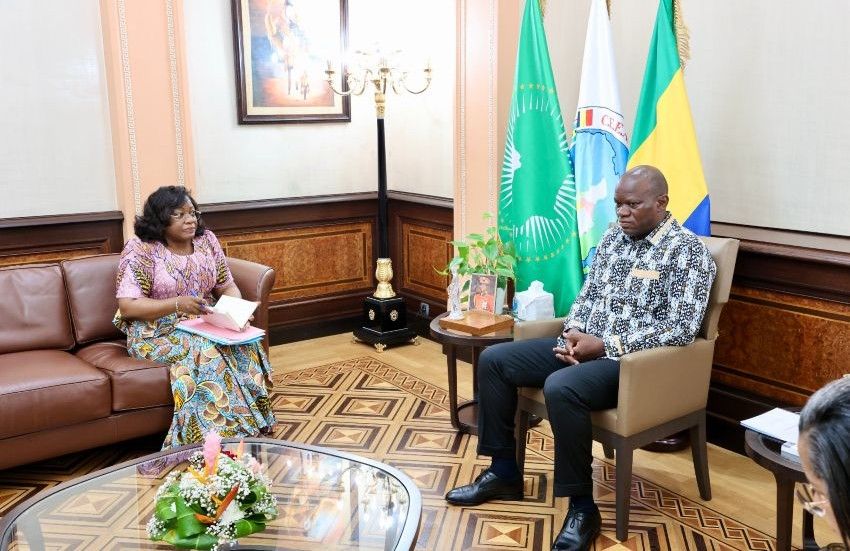
The Gabonese Ministry of National Education finds itself at the epicenter of a significant financial scandal. Approximately twenty officials associated with the Central Directorate of Financial Affairs (DCAF) have been taken into police custody by the Judicial Police. This action is part of an ongoing investigation into an alleged large-scale scheme involving the overbilling of cash vouchers. The reported financial loss exceeds 560 million FCFA, equivalent to nearly 850,000 euros, siphoned from funds allocated to one of the nation’s most critical sovereign departments. This development is a key piece of African current affairs, highlighting challenges in African governance.
An elaborate system within DCAF uncovered
Details emerging from the investigation suggest the fraudulent mechanism centered on the manipulation of cash vouchers. These administrative instruments are typically used to cover routine or urgent expenditures within government agencies. It is alleged that the amounts listed on these vouchers were artificially inflated, with the difference between the actual cost of services and the disbursed sum being pocketed by the suspected participants. Such an intricate operation implies close coordination among authorizing officers, accountants, and either fictitious beneficiaries or complicit parties, which helps explain the extensive nature of the arrests.
The simultaneous apprehension of around twenty civil servants sends a powerful political message. Gabon’s transitional government, established after the August 2023 change in regime, has made the battle against administrative corruption a cornerstone of its legitimacy. For several months, transitional authorities have intensified targeted operations against illicit public spending channels, particularly within ministries handling substantial budgets.
Education sector: a budget under strain
The decision to focus this investigation on the Education Ministry is far from arbitrary. This sector represents one of the largest expenditures in the Gabonese state budget, with allocations designated for salaries, scholarships, textbooks, and school infrastructure projects. The needs within the education system remain immense, especially as teachers’ unions frequently lament delayed payments and the dilapidated state of school facilities. Diverting 560 million FCFA from this vital area effectively deprives the educational system of resources that could fund dozens of new classrooms or thousands of scholarships.
This affair unfolds as Libreville strives to reassure its international financial partners, including the International Monetary Fund and the African Development Bank, regarding its commitment to sound public financial management. The Court of Accounts, whose powers have been reactivated and strengthened in recent months, has repeatedly flagged concerns regarding advance accounts and cash vouchers—instruments often criticized for their lack of clear traceability. This current case vividly illustrates the precise types of irregularities that these internal audits aim to document, impacting overall African governance.
High-stakes judicial proceedings ahead
The next phase of the legal process will determine whether these suspicions lead to prosecutions before the Special Court for Financial Affairs or through general jurisdiction courts. Potential charges could include embezzlement of public funds, forgery in public writing, and criminal association—all offenses carrying severe penalties under the Gabonese Penal Code. The detained agents will be required to account for the origin of the disputed vouchers, the hierarchical validation channels, and the identities of any potential instigators.
A critical political question remains: how far up the chain of command will accountability extend? The DCAF, like all ministerial financial directorates, operates under the direct oversight of the ministerial cabinet and maintains constant liaison with the Directorate General of Budget and the Directorate General of Treasury. The investigation must clarify whether this represents an isolated internal deviation within a single service or a more pervasive system embedded within the state apparatus. The authorities’ ability to see this case through to a definitive judicial conclusion will serve as a crucial test for the credibility of the anti-corruption agenda championed by the transition, a significant development in English Africa news.