Boureima Amadou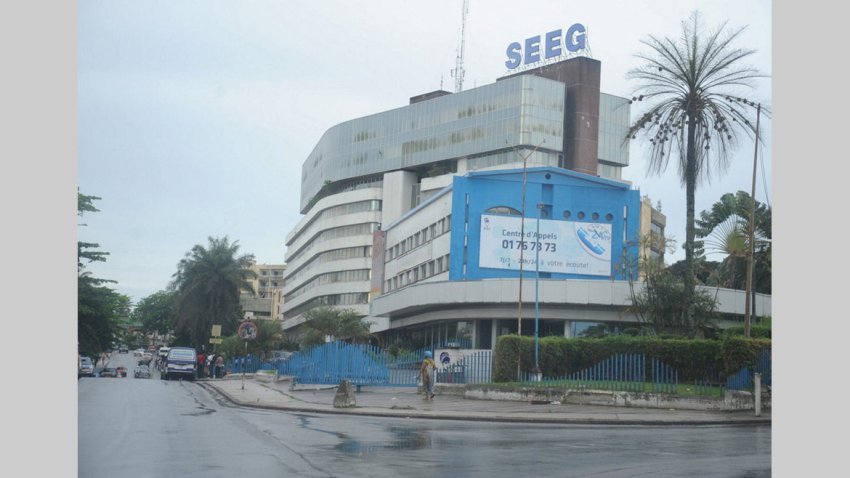
Gabon restructures vital utilities with new water and energy firms
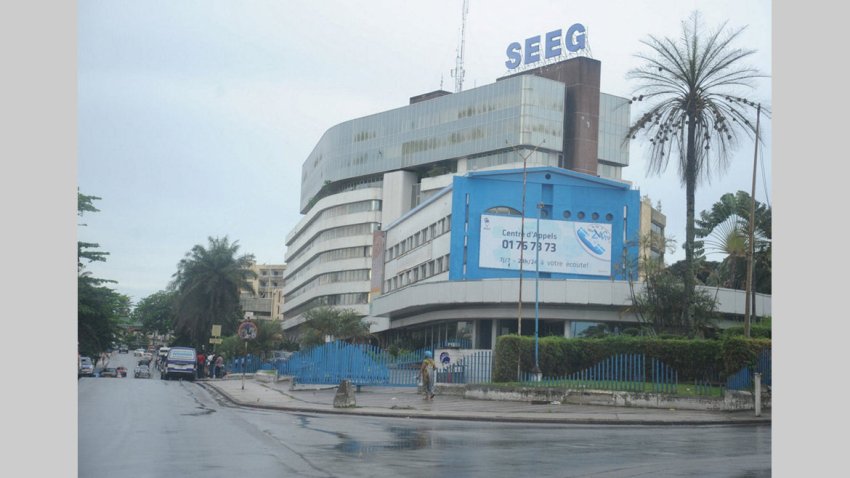
Libreville — A landmark decision has reshaped Gabon’s public service landscape. After nearly three decades as the sole provider of water and electricity, the Société d’Énergie et d’Eau du Gabon (SEEG) has officially ceased operations. The government’s bold move replaces it with two specialized entities: La Gabonaise des Eaux for water management and Électricité du Gabon for energy distribution.
This strategic overhaul was formalized during a Council of Ministers meeting in late June, less than two weeks after President Brice Clotaire Oligui Nguema’s State of the Nation address. The timing underscores a commitment to turning policy promises into tangible action. In a nation where persistent power outages and water shortages have long strained public patience, this reform represents one of the administration’s most critical undertakings.
Why the SEEG model failed
Established in 1997 under a concession with Veolia, the SEEG operated as Gabon’s unified utility provider for decades. While this centralized model once seemed efficient, systemic flaws emerged over time. Aging infrastructure, chronic underinvestment, and recurring service disruptions exposed the vulnerabilities of a rigid, one-size-fits-all approach.
Even after the state resumed control in 2018, systemic challenges persisted. Urban demand surged, financial constraints tightened, and maintenance backlogs grew. The government’s decision to dismantle the SEEG reflects a recognition that managing water and energy under a single banner had diluted priorities, delayed critical investments, and hindered targeted solutions.
A new chapter: specialized governance
The separation of water and electricity into distinct entities aligns with global best practices. Water distribution demands specialized expertise in conservation, treatment, and network resilience, while energy requires its own focus on generation, grid stability, and renewable transitions. This division aims to streamline decision-making and attract focused investment.
The government’s embrace of sociétés d’économie mixte—mixed-economy firms—highlights another layer of strategy. By retaining majority public ownership while engaging private partners, Gabon seeks to blend public accountability with private-sector efficiency. The success of this model hinges on several factors: transparent capital structuring, the selection of strategic investors, robust governance frameworks, and the resolution of SEEG’s legacy debt.
International lenders, including the African Development Bank and French development agencies, are closely monitoring the transition. Their support for future infrastructure projects in Gabon may well depend on the reform’s outcome. For industries like mining, timber, and oil—key pillars of Gabon’s economy—reliable energy and water access are non-negotiable for competitiveness.
The proof is in the service
Beyond administrative restructuring, this reform carries a social promise: universal access to essential services. The government envisions not just continuity of supply but measurable improvements in service quality, network expansion, and energy transition initiatives. Yet history cautions that structural change alone rarely delivers immediate results. Citizens will judge the new entities not by their legal frameworks, but by their ability to eliminate blackouts, reduce water shortages, and enhance daily living conditions.
The dissolution of the SEEG stands as one of Gabon’s most sweeping public utility reforms in generations. It presents an unprecedented chance to rebuild from the ground up. The true test, however, lies in execution. Only when La Gabonaise des Eaux and Électricité du Gabon demonstrate visible, sustained progress will the reform be deemed a success.


 Mariama Hamani