Boureima Amadou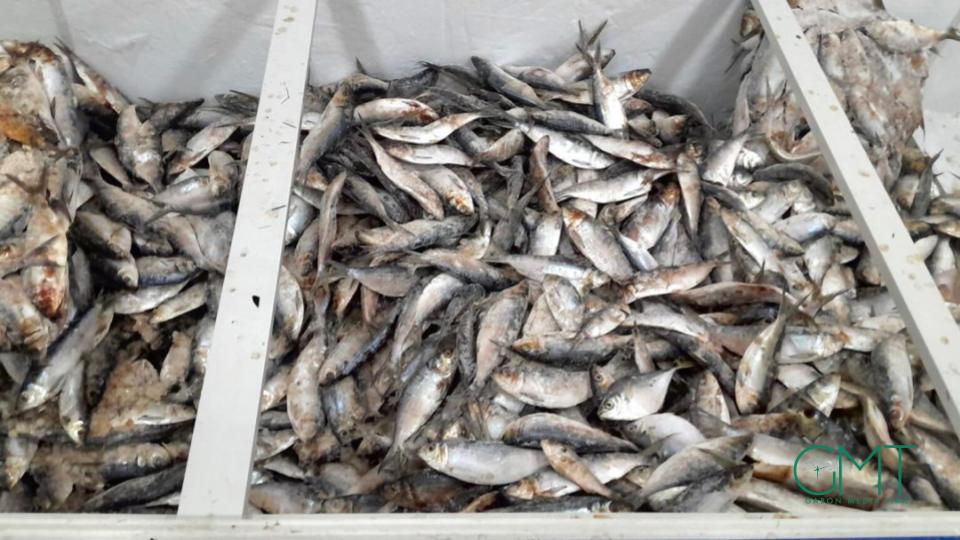
The Gabonese government has taken decisive action to secure the nation’s fish supply. As of March 26, 2026, the export of sardines (Ethmalosa fimbriata) and the so-called ‘sans nom’ fish (Heterotis niloticus) has been temporarily banned across the entire country. This move, formalized through two ministerial decrees issued by the Ministry of Sea, Fisheries, and Blue Economy and published in the Official Gazette on April 16, 2026, directly addresses a growing shortage in domestic markets.
While these fish species remain in demand across neighboring borders—particularly in border areas like Cocobeach—the authorities now prioritize local consumption and aim to curb unregulated exports. The decision underscores a broader commitment to ensuring food security and stabilizing prices for essential products in Gabon.
On May 30, 2026, Marie Françoise Dikoumba, Governor of the Estuary Province, visited Cocobeach to reinforce the ban’s enforcement. Her outreach targeted fishermen, traders, and transporters, emphasizing the urgency of compliance. The scarcity of sardines on local stalls has raised concerns among consumers, with authorities attributing the imbalance to cross-border trade, which they argue exacerbates price hikes and restricts access to a dietary staple.
Securing fish stocks and safeguarding food security
The temporary export ban is designed to reorganize production and distribution networks, stabilize local market supply, and prevent price volatility. Additionally, it strengthens traceability in the fishing sector, enhances future export controls, and upholds sanitary standards. This initiative aligns with national efforts to combat rising living costs and reinforce food sovereignty—key priorities for Gabon’s leadership.
The Ministry of Sea has highlighted the declining sardine populations in Gabonese waters and the dwindling ‘sans nom’ fish stocks in river and lake basins. By halting exports, the government seeks to allow these fish populations to recover in over-exploited areas, ensuring sustainable harvesting. Violators face penalties outlined in the Fisheries Code, including cargo seizures, revocation of fishing licenses, and potential legal action—unless granted an exceptional exemption by competent authorities.