Boureima Amadou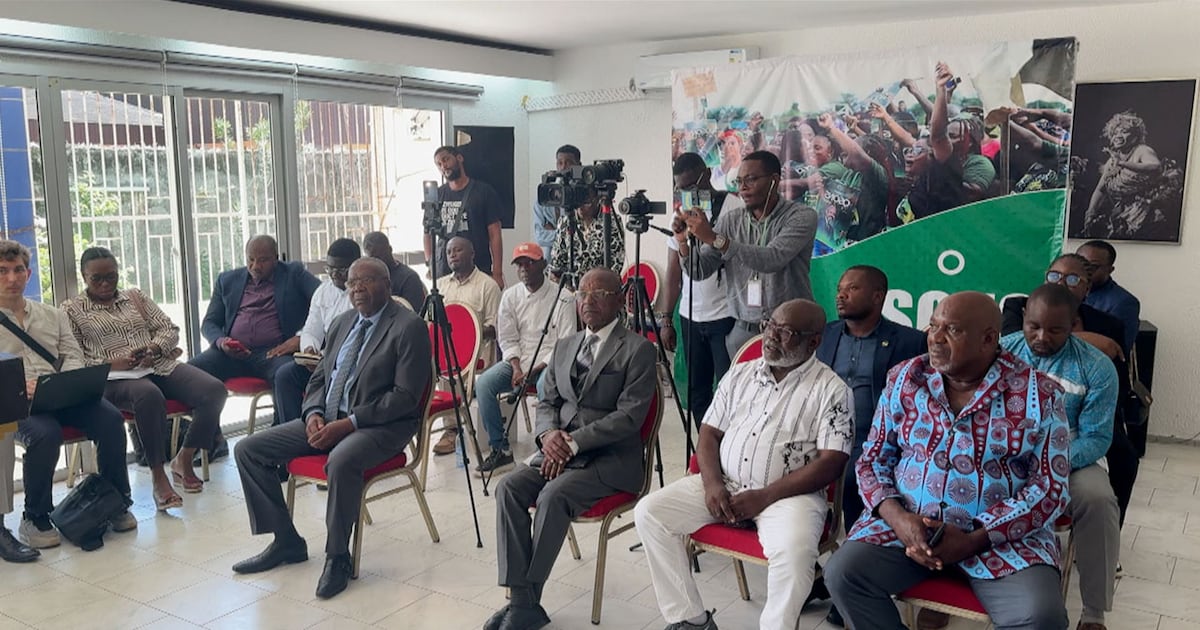
Gabon’s political landscape on the brink of transformation
The countdown to a defining moment in Gabon’s political future has begun. With the June 27, 2026 deadline looming, the country stands at the precipice of a major reshaping of its partisan scene. The new political party law, enacted in 2025, demands strict compliance from all registered formations—or face dissolution.
A radical overhaul of party requirements
The legislation, born from the April 2024 inclusive national dialogue, seeks to purge the political arena of hollow entities often criticized as mere shell organizations. Gone are the days when creating a political party amounted to little more than bureaucratic paperwork. Now, each formation must meet rigorous standards to prove its legitimacy and national relevance.
The demands are steep: a minimum of 10,000 verified members, identified through the National Identification Number (NIP) system, must be evenly distributed across Gabon’s nine provinces. Additionally, parties must maintain a physical headquarters, a dedicated bank account, updated statutes, and rigorous financial transparency overseen by the Court of Auditors.
Ministry of Interior to deliver final verdict
Only a fraction of the 104 registered parties have submitted complete dossiers to date. As the clock ticks down, the Ministry of Interior has made one thing clear: no extensions will be granted. The consequences of non-compliance are severe—automatic dissolution.
Interior Minister Adrien Nguema Mba has underscored the government’s resolve, stating that the reform aims to elevate the quality of democratic debate over the sheer volume of political formations. The move reflects a broader concern: a nation of fewer than three million people cannot sustain 104 parties, many of which lack genuine national reach or operational substance.
Mixed reactions from political actors
While some parties embrace the changes as an opportunity for consolidation, others view them as an attempt to stifle opposition voices. Joachim Mbatchi, leader of the Front pour la défense de la République (FDR), sees the reform as a chance for weaker parties to merge into stronger blocs.
Théophile Makita Nyembo, vice-president of Ensemble pour le Gabon, claims his party has already met all legal requirements, arguing that the law primarily targets newer formations. However, critics like Francis Aubame of the Parti Souverainistes-Écologistes (PSE) denounce what they perceive as a politically motivated purge.
Aubame has accused the administration of manipulating the process, pointing to recent remarks from the President that cast doubt on the law’s alignment with the national dialogue’s recommendations. «The decisions made by the Gabonese people must be respected,» he countered, emphasizing the legislature’s autonomy in voting on the matter.
Uncertain future for Gabon’s multiparty system
As the June 27 deadline approaches, speculation swirls about which parties will survive. Preliminary assessments suggest only a handful—including the Union Démocratique et Sociale (UDS) and Parti Démocratique Gabonais (PDG)—have successfully filed complete applications. The rest are scrambling to meet the membership and documentation requirements, risking erasure from the political map.
The law also introduces a new electoral performance clause: any party failing to field candidates in two consecutive elections will lose its registration. While the government frames this as a measure to strengthen democracy, critics warn it could further shrink the country’s political pluralism.
The Ministry of Interior’s decision on June 27 will reveal whether Gabon is entering an era of streamlined, high-quality political engagement—or witnessing the decline of its once-vibrant multiparty system. What remains certain is that the era of effortless party creation is over, and the stakes could not be higher.