Mariama Hamani
Gabon’s budget deficit widened sharply in 2025, reaching 5.3% of gross domestic product (GDP), up from 3.8% the previous year. The deterioration stems from an expansionary fiscal policy combined with a growing debt burden. Public debt rose to 78.9% of GDP, contributing to a downgrade of the country’s sovereign rating in December 2025.
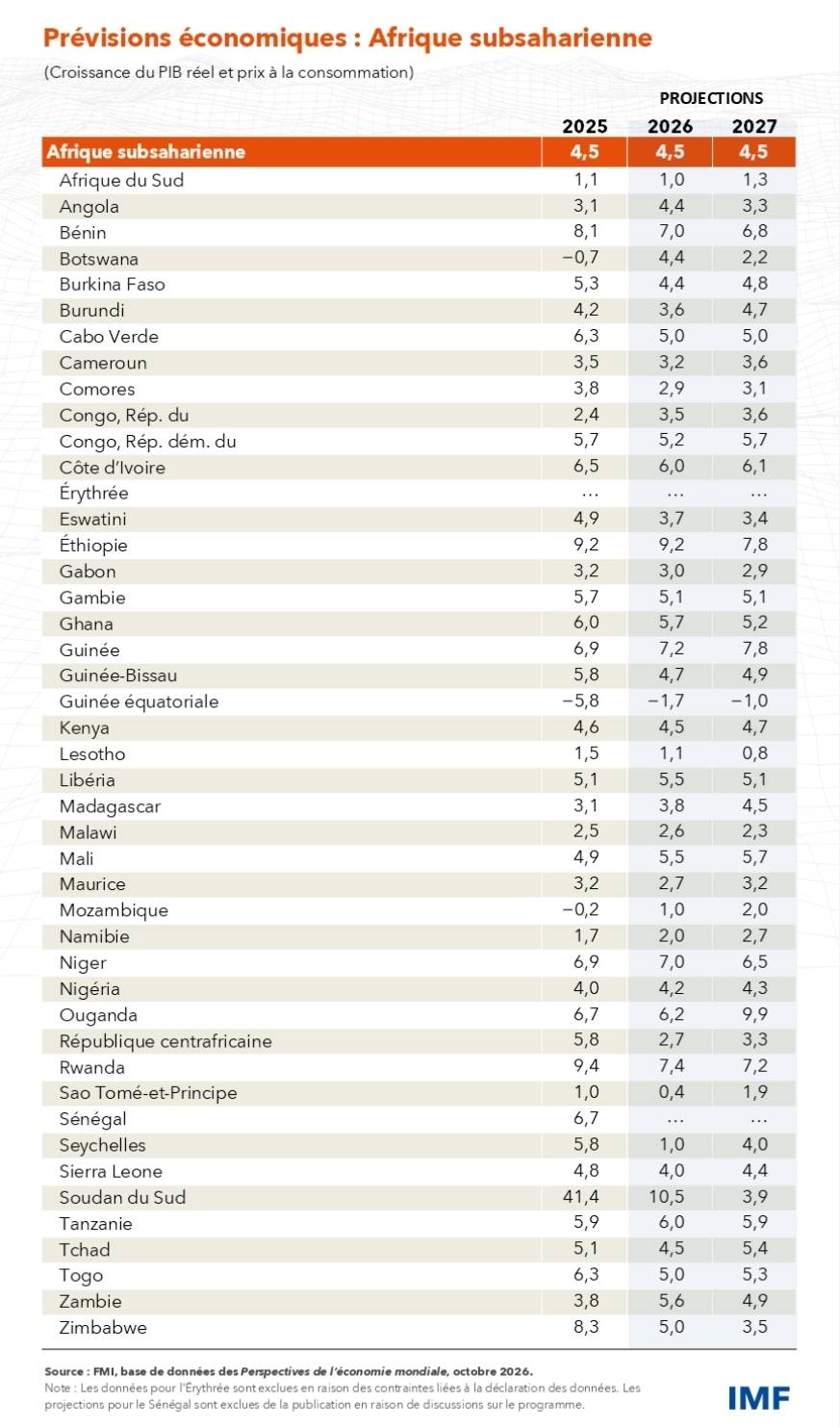
This fiscal slide comes amid an economic slowdown. GDP growth fell from 3.4% in 2024 to 2.7% in 2025, dragged down by declining output in oil, mining, forestry, and transport sectors. Although public works, manufacturing, and services performed well, government spending to support the economy further strained the budget balance, increasing the state’s financing needs.
Growing pressure on public finances
The widening deficit is accompanied by rising financial vulnerabilities. The African Development Bank notes that the monetary easing by the Bank of Central African States spurred a strong increase in credit to the government, heightening banks’ exposure to sovereign risk. At the same time, non-performing loans continue to climb, reflecting persistent strains within the national financial system.
This tight budget situation limits the government’s ability to address social challenges. Poverty remained nearly stable at 33.1% of the population in 2025, while unemployment stayed high at 20.2%, with a particularly severe impact on youth and women. Sustainable fiscal recovery will require better expenditure control, more manageable debt management, and reforms to boost state revenues.


 Boureima Amadou