
 Boureima Amadou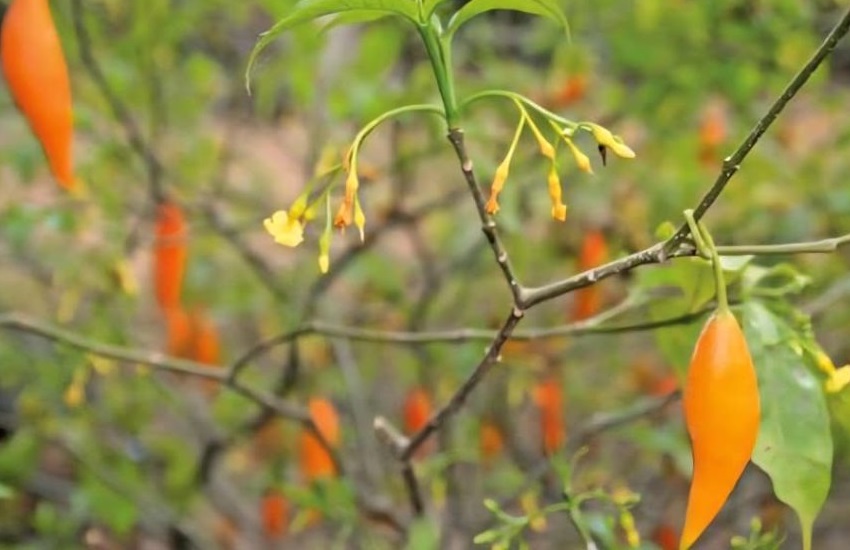
Gabon asserts sovereignty over iboga with new regulatory framework
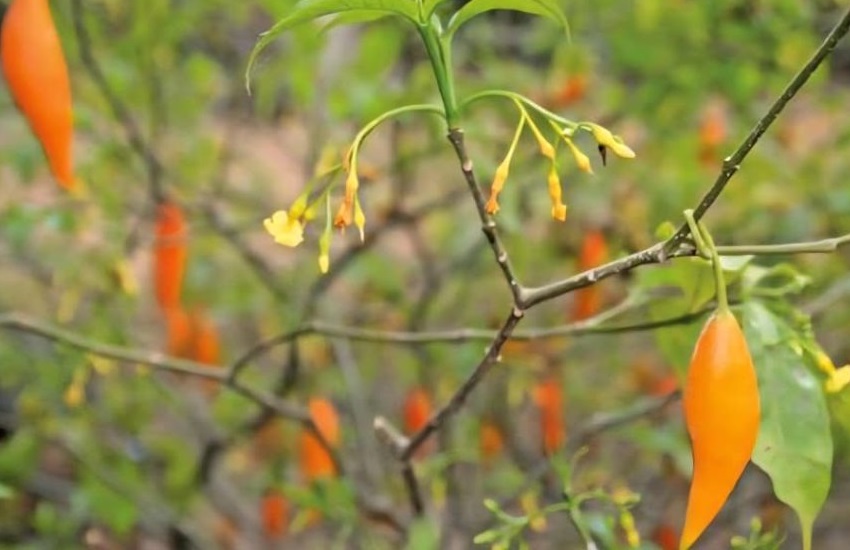
Libreville, June 10, 2026 – Gabon has taken a decisive step in securing its sacred iboga plant, positioning itself at the forefront of a global movement to protect cultural and biological resources.
The country has introduced stringent new regulations requiring all activities related to iboga—from cultivation to commercialization—to obtain prior authorization from state authorities. This landmark decision, formalized in Decree No. 0239/PR/MJSRCAVA issued on May 22, 2026, underscores Gabon’s commitment to safeguarding a plant deeply embedded in its spiritual and cultural heritage.
Iboga, long revered in Bwiti initiation ceremonies, is now recognized as a national asset of immense cultural, therapeutic, and economic value. The new framework mandates that any research, transformation, exploitation, or even traditional knowledge associated with the plant must receive clearance from a cross-ministerial technical commission before proceeding.
From sacred ritual to global commodity
The international demand for iboga has surged in recent years, driven by growing interest in its potential therapeutic applications, particularly in treating addiction and psychological disorders. Ibogaine, the plant’s primary alkaloid, is now the subject of extensive studies in laboratories across the United States, Europe, and Asia. This global spotlight has intensified concerns in Libreville about the uncontrolled exploitation of a resource that is a cornerstone of Gabonese identity.
The government’s move reflects a broader trend among African nations seeking to reclaim control over their genetic resources and ancestral knowledge, which have historically been vulnerable to biopiracy. However, the challenge now lies in implementation. In the remote provinces where iboga traditions remain strongest, state oversight is often limited, raising questions about the feasibility of enforcing the new regulations uniformly.
A balancing act between protection and preservation
While the decree has been widely welcomed for addressing decades of unregulated exploitation, it also poses risks. Overly rigid enforcement could alienate the very communities that have preserved iboga’s sacred traditions for generations. Conversely, lax oversight could undermine the decree’s purpose, allowing exploitative practices to persist.
For Gabon, this is more than a regulatory reform—it is a strategic declaration. The country is determined to transition from being a mere supplier of raw cultural and biological materials to a leader in value-added exploitation. This approach aligns with a broader national agenda to strengthen local transformation of resources, from timber and minerals to biodiversity.
The success of this initiative hinges on striking the right balance. It must protect Gabon’s sovereignty without stifling the cultural practices that have sustained iboga for centuries. One thing is clear: the era of unchecked resource extraction is giving way to an era of deliberate, equitable control. Gabon’s iboga is no longer just a sacred plant—it is a symbol of national resilience and a testament to the country’s resolve to shape its own future.



 Mariama Hamani




