Boureima Amadou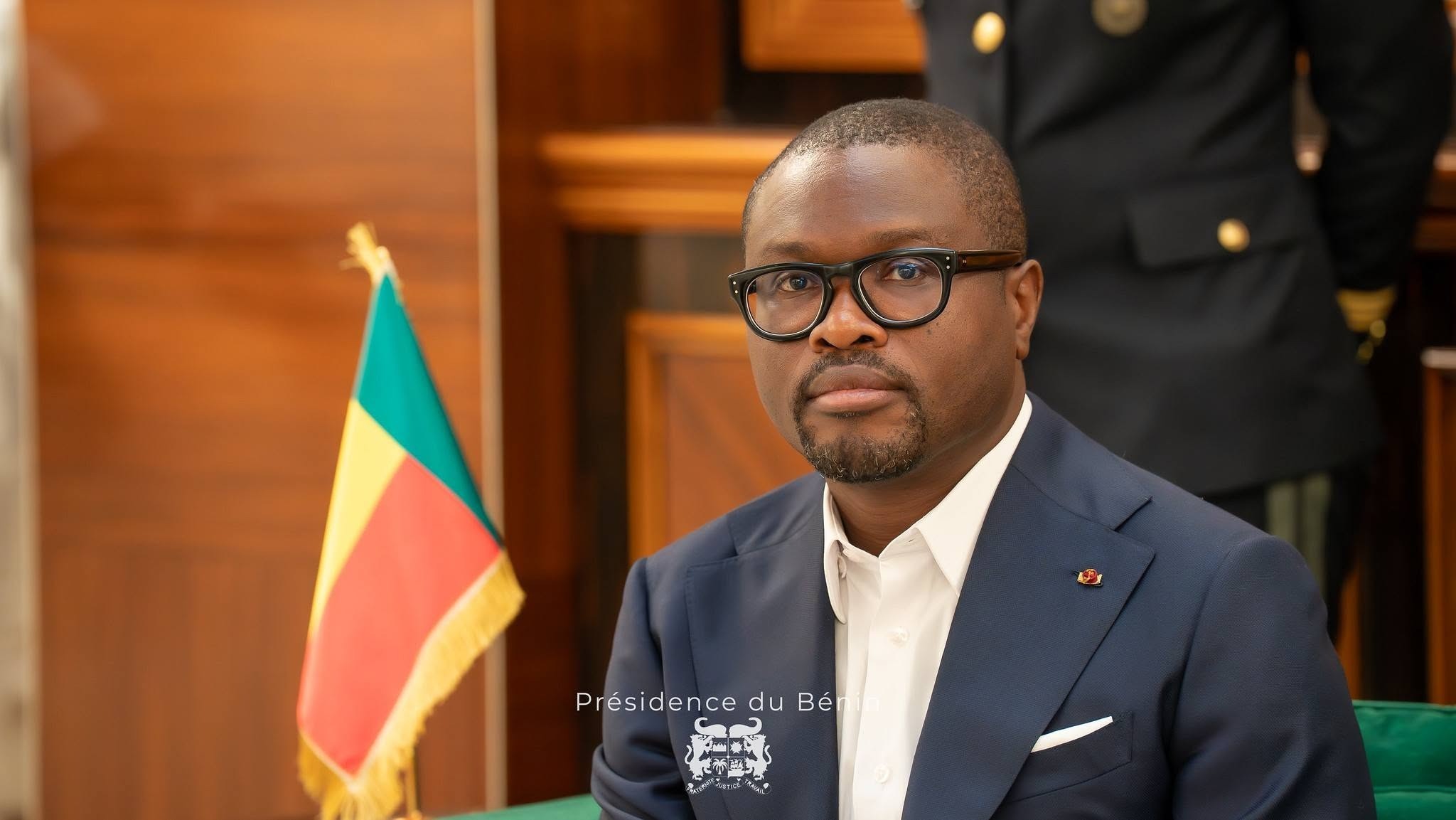
Bénin’s record budget reshapes priorities toward inclusive growth
Under the leadership of President Romuald Wadagni, the Béninese government has adopted a groundbreaking supplementary budget for 2026, marking a historic milestone with total allocations exceeding 4,000 billion FCFA. This strategic financial overhaul underscores the nation’s commitment to placing human development at the core of its economic agenda, signaling a new era of bold governance and transformative investment.
The budget revision, which represents an 8% increase over initial projections, is not merely a fiscal adjustment but a deliberate policy shift reflecting the administration’s early priorities under President Wadagni. His tenure, previously defined by fiscal prudence as Finance Minister, now introduces a vision where economic performance and social equity converge to create sustainable progress.
The Wadagni effect: prioritizing people over numbers
President Wadagni’s approach redefines the role of public finance in fostering societal well-being. This budget is a testament to his conviction that macroeconomic strength must translate into tangible improvements in living standards. By reallocating resources with unprecedented focus, the government demonstrates a clear departure from traditional austerity toward a model where growth is inclusive and accessible.
Landmark investments in health, education, and rural development
The expanded budget channels unprecedented funding into sectors that directly impact citizens’ daily lives:
- Universal healthcare expansion: A historic allocation aims to ensure systematic access to quality healthcare across all regions. The initiative seeks to eliminate disparities in medical service delivery, reinforcing Bénin’s commitment to universal health coverage.
- Free education for girls: Removing financial barriers to schooling for young women represents a pivotal step toward gender equality and human capital development. This measure is both a social justice milestone and a strategic investment in the nation’s future workforce.
- Infrastructure and agriculture modernization: Continued investment in transport and energy infrastructure is designed to connect remote areas and unlock economic potential. Simultaneously, targeted support for agriculture strengthens food security while boosting rural incomes, reinforcing the backbone of the national economy.
The overarching message is unambiguous: Bénin is accelerating its transformation, guided by a leadership that balances fiscal responsibility with bold, people-centered innovation.
Sustained growth amid bold reforms
Despite redirecting a significant portion of the budget toward social programs mid-cycle, the government has maintained its 2026 growth forecast at 7.5%. This stability reflects confidence in the nation’s economic resilience and its ability to mobilize domestic revenue even amid ambitious spending shifts.
A senior economist in Cotonou noted, “Maintaining such a robust growth projection while prioritizing social investment demonstrates the administration’s strategic foresight and disciplined revenue management.”
A model of innovation in West Africa
While neighboring economies grapple with global economic uncertainties, Bénin distinguishes itself as a regional leader in policy innovation. This first major fiscal shift under President Wadagni’s administration proves the country’s refusal to accept mediocrity. With a combination of strategic vision and financial agility, Bénin is not just following established paths but forging new ones.
The coming months will be critical as the nation continues to implement these sweeping reforms. If the supplementary budget is any indication, Bénin is poised to surpass expectations and redefine what is possible for West African economies committed to progress.

 theafricantribune