Mariama Hamani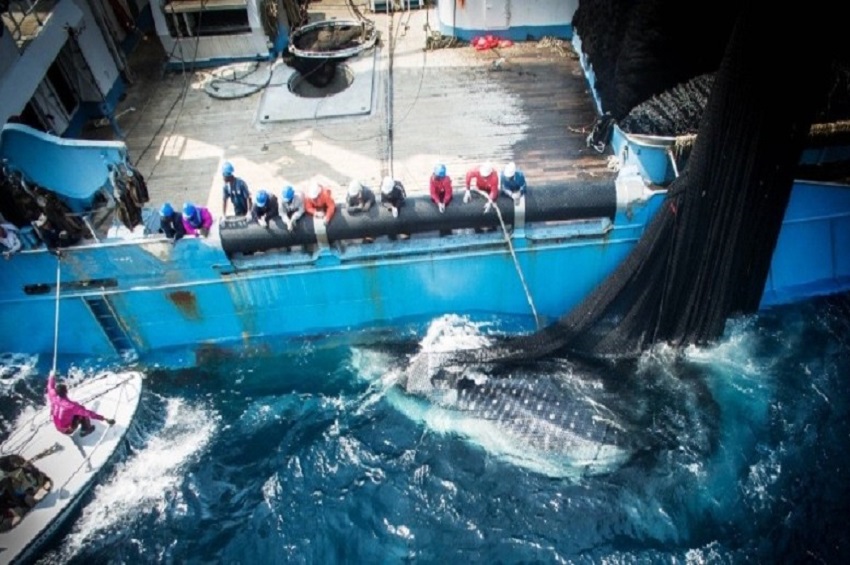
Gabon asserts control over its marine resources with bold new fishing policy
Libreville, June 17, 2026 – With the expiration of Gabon’s sustainable fishing partnership with the European Union just days away, Libreville has taken a decisive step in reshaping its maritime resource management. Authorities have chosen not to renew an agreement widely viewed as heavily skewed in favor of external interests, signaling a broader ambition to reclaim national wealth and align with Africa’s continental push for economic sovereignty and transparent resource governance.
This move arrives at a pivotal moment when African nations are increasingly vocal about fairer control over their marine assets. Recent pan-African discussions in Mombasa on sustainable blue economies and ocean governance emphasized the need for greater transparency, traceability, and local benefits in fishing partnerships. Gabon’s decision appears to put these principles into action.
A rejected model of exploitation
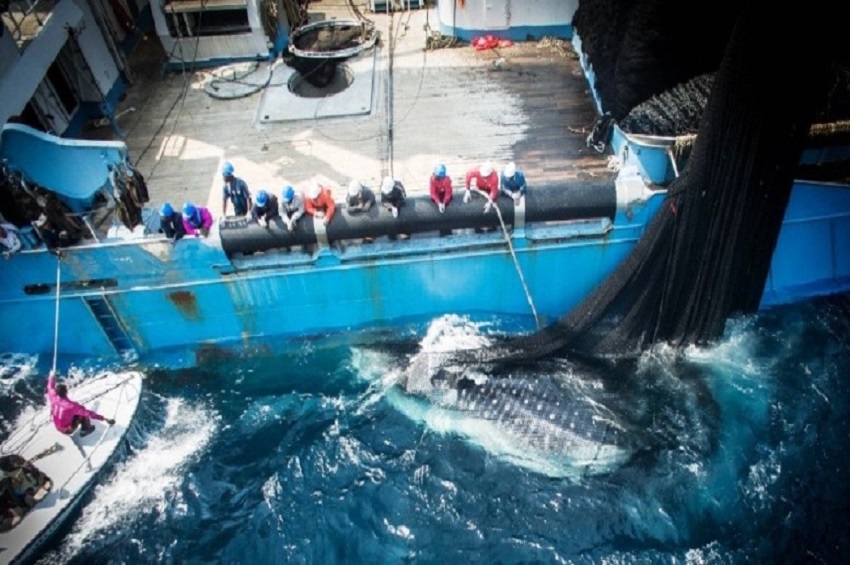
For years, fishing agreements between certain African states and the European Union have sparked debate. While framed as sustainable partnerships, critics argue these deals primarily serve foreign fleet interests over local economic gains. Gabon’s government now shares this assessment, contending that the €2.6 million annual compensation from Brussels fails to reflect the true value of the 70,000+ tons of tuna extracted annually from one of the Gulf of Guinea’s richest maritime zones.
The imbalance extends beyond finances. Gabon bears the brunt of monitoring and securing its exclusive economic zone, yet the financial returns pale compared to the investment. Worse still, most catches are landed, processed, and exported abroad, leaving Gabon locked out of the value chains generated by its own marine resources.
Prioritizing local value creation
The crux of this policy shift lies in Gabon’s push to develop a domestic tuna industry. Following similar moves in timber, mining, and oil, Libreville now targets fisheries to break free from the raw material export trap. The goal: build a thriving national tuna sector capable of creating jobs, attracting industrial investment, and boosting public revenue.
This strategy echoes recommendations from African institutions like the African Development Bank, which highlight how the continent loses billions annually by failing to process its marine resources locally. With over 800 kilometers of coastline and one of West Africa’s largest maritime zones, Gabon is uniquely positioned to capitalize on this untapped potential.
Sustainability, transparency, and sovereignty
Gabon’s stance isn’t purely economic—it reflects a commitment to sustainable and transparent marine resource management. Authorities cite growing concerns over overfishing and weak control mechanisms, aligning with environmental groups warning of depleted tuna stocks in regional waters.
By rejecting an automatic renewal of the expiring agreement (set for June 28, 2026), Gabon is setting new terms. Future partnerships must meet stricter demands: rigorous ecological safeguards, full traceability of catches, and concrete local value creation. This signals a fundamental shift in the power dynamic between resource-rich African nations and their traditional partners.
As Africa seeks to build a more autonomous and strategically integrated economy, Gabon’s choice stands as a powerful example. The message is clear: access to African natural resources must now come with commitments to sovereignty, transparency, and local development.

Mariama Hamani
Analyst
Boureima Amadou
- News
- October 1, 2026
- 54 views
Benin’s $730 million AIIB pipeline: what it means for households, businesses and the economy
Benin Benin’s $730 million AIIB pipeline: what it means for households, businesses and the economy A new $730 million indicative financing pipeline from the Asian Infrastructure Investment Bank (AIIB) for…
- News
- October 1, 2026
- 53 views
What impunity costs Congolese families: the real price of unpunished crimes
Law and justiceDemocratic Republic of Congo What impunity costs Congolese families: the real price of unpunished crimes In the Democratic Republic of Congo, thousands of victims of successive conflicts are…