Boureima Amadou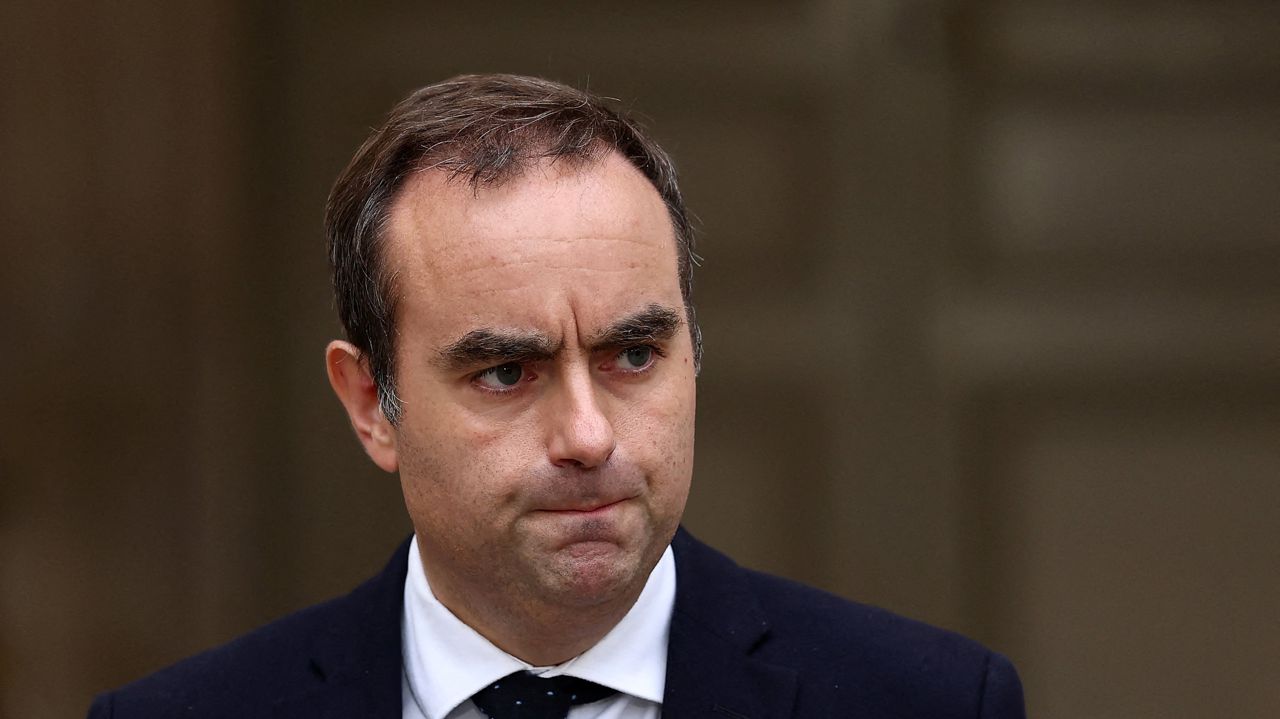
French Prime Minister Sébastien Lecornu embarks on his first official overseas journey since assuming office during a landmark state visit to Rabat, Morocco. Scheduled for July 15, this high-profile mission brings together a delegation of twelve ministers, signaling Paris’ commitment to deepening strategic cooperation with its North African partner.
The diplomatic outreach follows months of détente efforts, with both nations seeking to mend fences on critical bilateral matters. The meeting between Lecornu and Moroccan Prime Minister Aziz Akhannouch marks their first face-to-face engagement since 2019, presenting a pivotal opportunity to revitalize political and economic collaboration.
Key priorities in the moroccan-french agenda
The official program includes intensive negotiations across multiple sectors:
- Trade and investment: Exploring avenues to expand bilateral economic ties, with particular focus on renewable energy, automotive manufacturing, and agricultural exports
- Security cooperation: Strengthening joint counterterrorism initiatives and intelligence-sharing mechanisms in response to regional instability
- Migration management: Addressing visa policies and addressing concerns surrounding irregular migration flows
- Cultural and educational exchanges: Reinforcing academic partnerships and promoting French language programs in Moroccan institutions
Context behind the diplomatic thaw
The resumption of high-level contacts comes after years marked by diplomatic tensions over the Western Sahara dispute and visa restrictions. Recent months have seen a gradual rapprochement, with both capitals acknowledging the necessity of rebuilding trust.
Morocco, a key player in North Africa’s stability, serves as a crucial partner for France in addressing shared security challenges. The visit is expected to yield concrete agreements that could reshape trade dynamics and security architectures in the Maghreb region.

French officials have framed the visit as a strategic reset, emphasizing the importance of partnership in addressing transnational threats and economic integration. The outcomes of these discussions could have far-reaching implications for the broader Maghreb region and Europe.