Boureima Amadou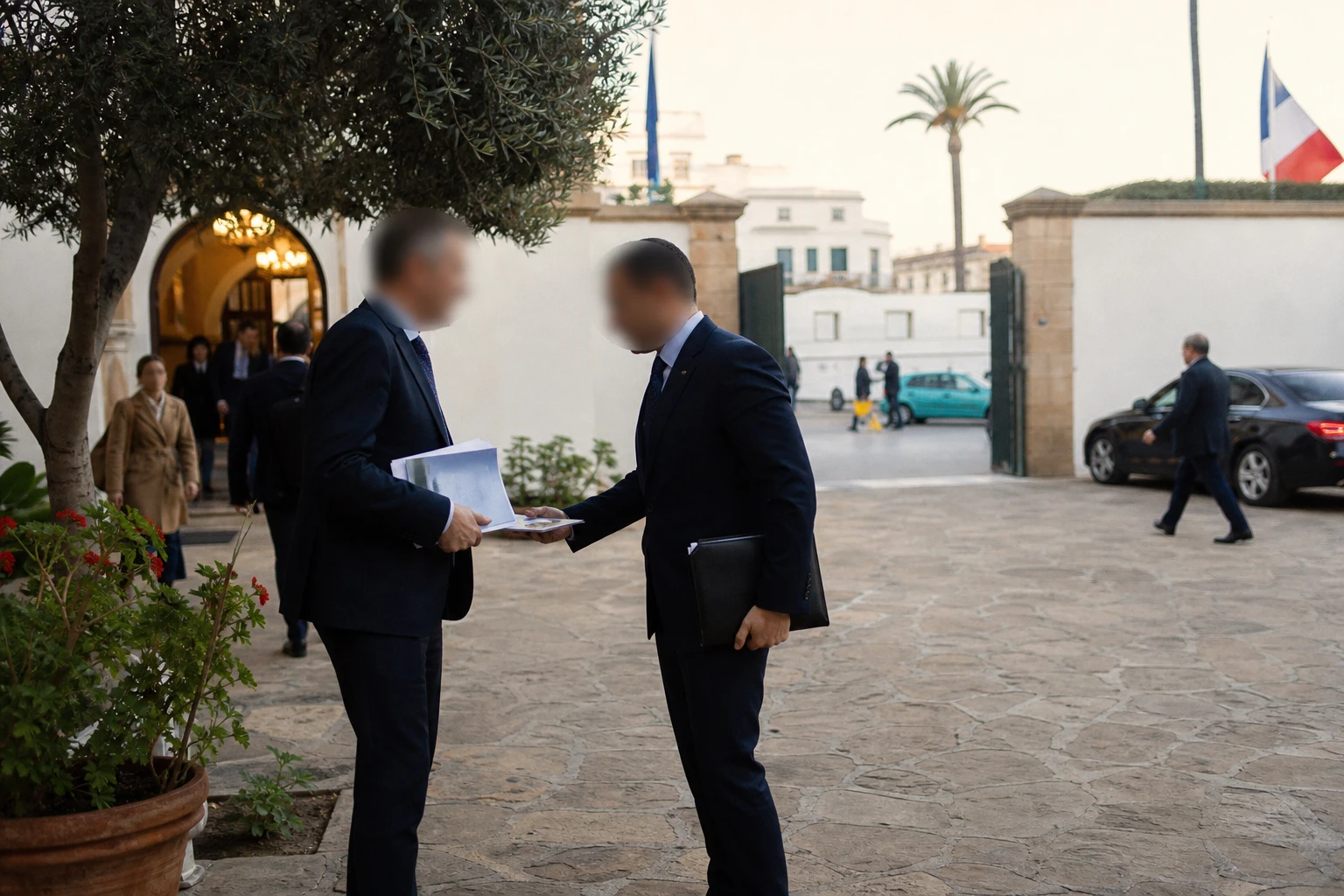
Sébastien Lecornu embarks on his inaugural international mission as head of government, marking a decisive moment in French diplomacy. His itinerary spans from Doha to Rabat, where each stop underscores Paris’s evolving geopolitical priorities. This dual engagement is far from coincidental—it reflects a deliberate strategy to reinforce alliances in the Gulf and North Africa.
Why these visits hold weight
For any newly appointed prime minister, the first foreign trips serve as a barometer of strategic intent. They signal which partnerships matter, where diplomatic weight is being recalibrated, and what vision France seeks to project on the global stage.
Lecornu’s journey is no exception. His first destination, Qatar, was a gesture of respect following the passing of the country’s former emir, Sheikh Hamad bin Khalifa Al Thani. The second leg, Morocco, aimed to solidify a burgeoning diplomatic thaw between Paris and Rabat—a process accelerated by France’s 2024 recognition of Morocco’s autonomy plan for Western Sahara.
A Doha stop steeped in protocol and history
The Qatari leg of the trip was brief but symbolically rich. Accompanied by Jean-Yves Le Drian—a seasoned diplomat with deep Gulf experience—Lecornu underscored continuity in French foreign policy. The emir’s legacy, marked by modernization and proactive diplomacy, was honored, but the visit carried a broader message: France values long-standing alliances that extend beyond immediate crises.
Economic ties further cement this relationship. With over 6,000 French expatriates in Qatar and substantial trade in aerospace and defense, the partnership is both strategic and mutually beneficial. In a region fraught with tensions, maintaining open channels with Doha remains a priority for Paris.
Rabat: turning diplomatic momentum into action
The Moroccan leg was the centerpiece of the tour. Lecornu’s high-level meetings in Rabat represented the first such engagement since 2019, signaling a deliberate intensification of bilateral relations. A dozen French ministers, including key figures like Jean-Noël Barrot and Laurent Nuñez, joined the delegation, reinforcing the visit’s significance.
The timing is no accident. France’s 2024 endorsement of Morocco’s Western Sahara autonomy plan marked a turning point, prompting a flurry of economic agreements during President Macron’s subsequent state visit. With over €10 billion in investments and contracts finalized, the stage is set for deeper collaboration in trade, security, and migration.
For Morocco, the stakes are clear: stronger European support bolsters its position in the Western Sahara dispute. For France, the rewards are twofold—securing a foothold in a vital market and reclaiming influence in a country where it once held unrivaled sway.
The diplomatic tightrope with Algeria
Yet this rapprochement comes at a cost. Algeria, a long-standing partner, reacted sharply to France’s 2024 stance, withdrawing its ambassador in protest. The rupture highlights the delicate balance Paris must strike: nurturing ties with Rabat while avoiding a complete estrangement from Algiers.
Lecornu’s mission in Rabat sends a clear signal—not only to Morocco but to the broader Maghreb—that France is recalibrating its alliances. The message to Algiers is equally unmistakable: Paris has made its choice.
Critics, particularly from the Polisario Front, argue that France’s stance legitimizes an occupation. Paris, however, frames its position as a pragmatic foundation for negotiations, not a final verdict. Still, the debate underscores the volatility of the issue.
What’s next?
The success of Lecornu’s mission hinges on two fronts. First, the tangible outcomes of the Rabat talks—economic cooperation, security pacts, and migration frameworks. Second, the potential visit of King Mohammed VI to France, a move that would formalize the new Franco-Moroccan partnership.
Yet the larger question looms: How far can France deepen its ties with Morocco without permanently alienating Algeria? The answer will shape the trajectory of French diplomacy in North Africa for years to come. Lecornu’s journey does not resolve these tensions—but it sets the course.


 Mariama Hamani