Mariama Hamani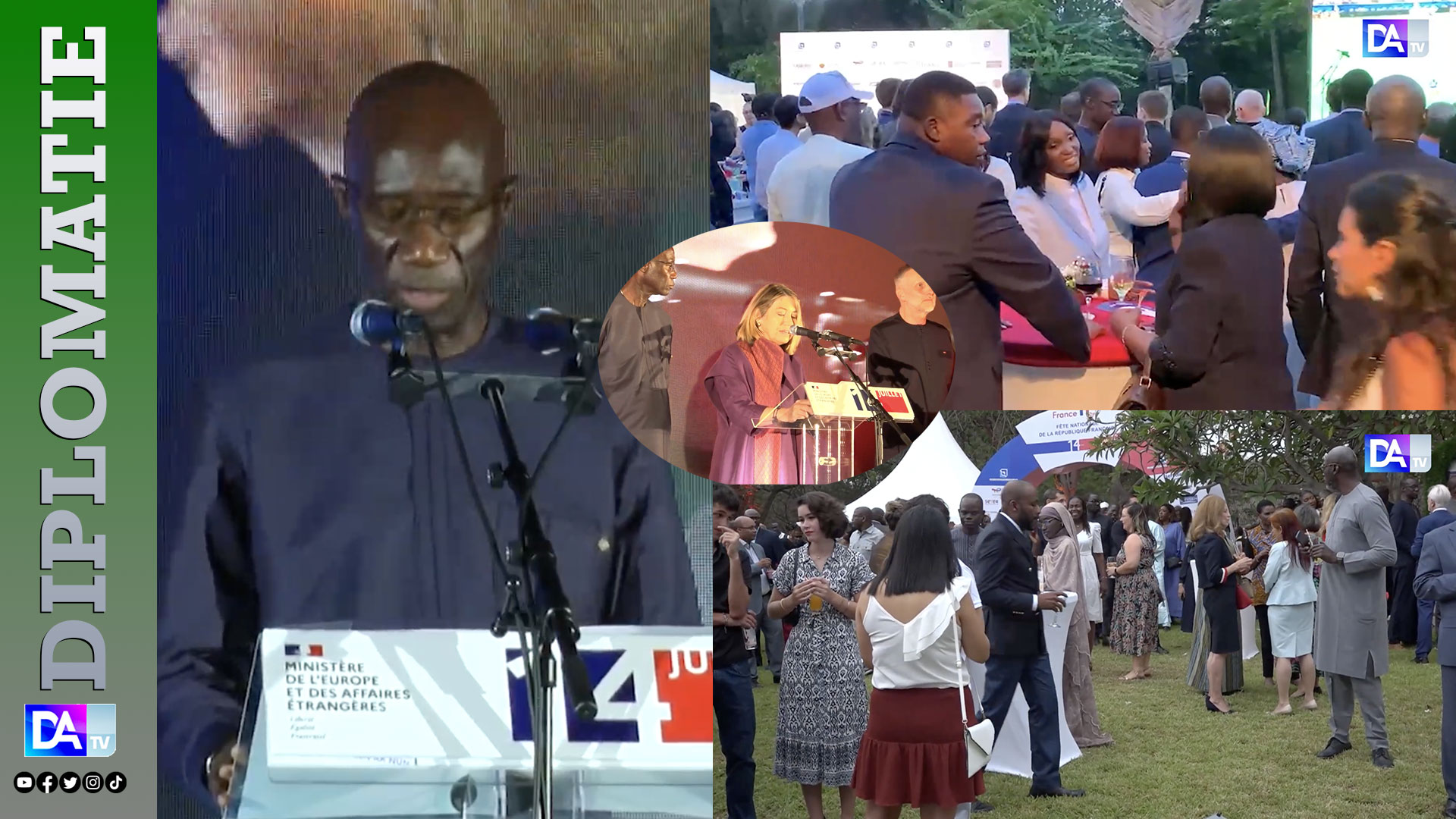
The deep-rooted ties between Dakar and Paris were at the heart of a recent address by Me Moussa Sarr, who emphasized the evolving nature of Senegal-France relations. Describing the partnership as “historical, rich, and multidimensional,” he highlighted that both nations are now entering a new phase of dialogue, one rooted in mutual respect, transparency, and shared ambition.
Me Sarr outlined the guiding principles for this renewed cooperation: state sovereignty, reciprocal trust, mutual listening, equal partnership, and alignment of interests. These values, he noted, are essential to adapting the bilateral relationship to the shifting needs of both societies and the broader regional and global landscape.
Among the key sectors identified for deeper collaboration were education, vocational training, healthcare, infrastructure, transportation, agriculture, energy, sanitation, territorial development, research, and innovation. The minister praised the strides made in higher education and professional training, as well as initiatives supporting decentralized cooperation and mobilizing the Senegalese diaspora through dedicated solidarity programs. He also acknowledged France’s role as the top destination for Senegalese students abroad.
In a significant gesture, Me Sarr conveyed Senegal’s gratitude to the French government for its support in organizing the 2026 Youth Olympic Games, particularly in critical areas such as protocol, security, and emergency response.
Addressing the sensitive issue of historical memory, he reported positive progress in ongoing discussions regarding access to archives, the declassification of historical documents, and joint training programs for archivists and heritage professionals from both countries. He also mentioned the deployment of French experts to assist in archaeological excavations at select historical sites, though specific locations were not disclosed.
Looking ahead, Me Sarr stressed the importance of addressing global challenges such as security, climate change, energy transition, food sovereignty, economic governance, mobility, peace, and stability. He advocated for a revitalized multilateralism and balanced partnerships to tackle these issues effectively. High-level exchanges between the two governments, including upcoming intergovernmental seminars, are set to define the roadmap for a forward-looking partnership.


 Boureima Amadou