Boureima Amadou
A Malian court has delivered a harsh verdict against a French intelligence officer, who was detained in Bamako nearly a year ago. On Friday, the man—accused of endangering state security—was sentenced to two decades in prison. Paris immediately dismissed the charges as groundless, further straining relations between the two nations.
The officer, who held diplomatic status and worked under the cover of France’s embassy in Bamako, was arrested in August 2025 during a joint operation involving Mali’s State Security (SE). The arrest unfolded alongside several Malian military officials, all subsequently dismissed from service. While the French national faces his sentence, his Malian counterparts remain unjudged, accused of operating an alleged espionage network aimed at undermining the country’s transitional government.
The trial, held behind closed doors on Thursday before the specialized criminal chamber for terrorism cases, concluded with the 20-year term and an additional 20-year travel ban within Mali. A financial penalty of 5,400 euros was also imposed, according to judicial sources who spoke on condition of anonymity for security reasons.
French authorities have consistently rejected the allegations, calling for the immediate release of their detained diplomat. In response to the arrest, Paris suspended all counterterrorism cooperation with Bamako and demanded the expulsion of two Malian diplomats from French soil. The Foreign Ministry reiterated its stance on Friday, labeling the accusations as unfounded and stressing that efforts are underway to resolve the case swiftly.
The ministry emphasized that their agent was engaged in legitimate security cooperation and denied any involvement in destabilizing the Malian government. The case has further exposed the widening rift between Mali and its former Western allies, particularly France, as Bamako deepens ties with Moscow in both political and military spheres.
escalating security crisis in Mali
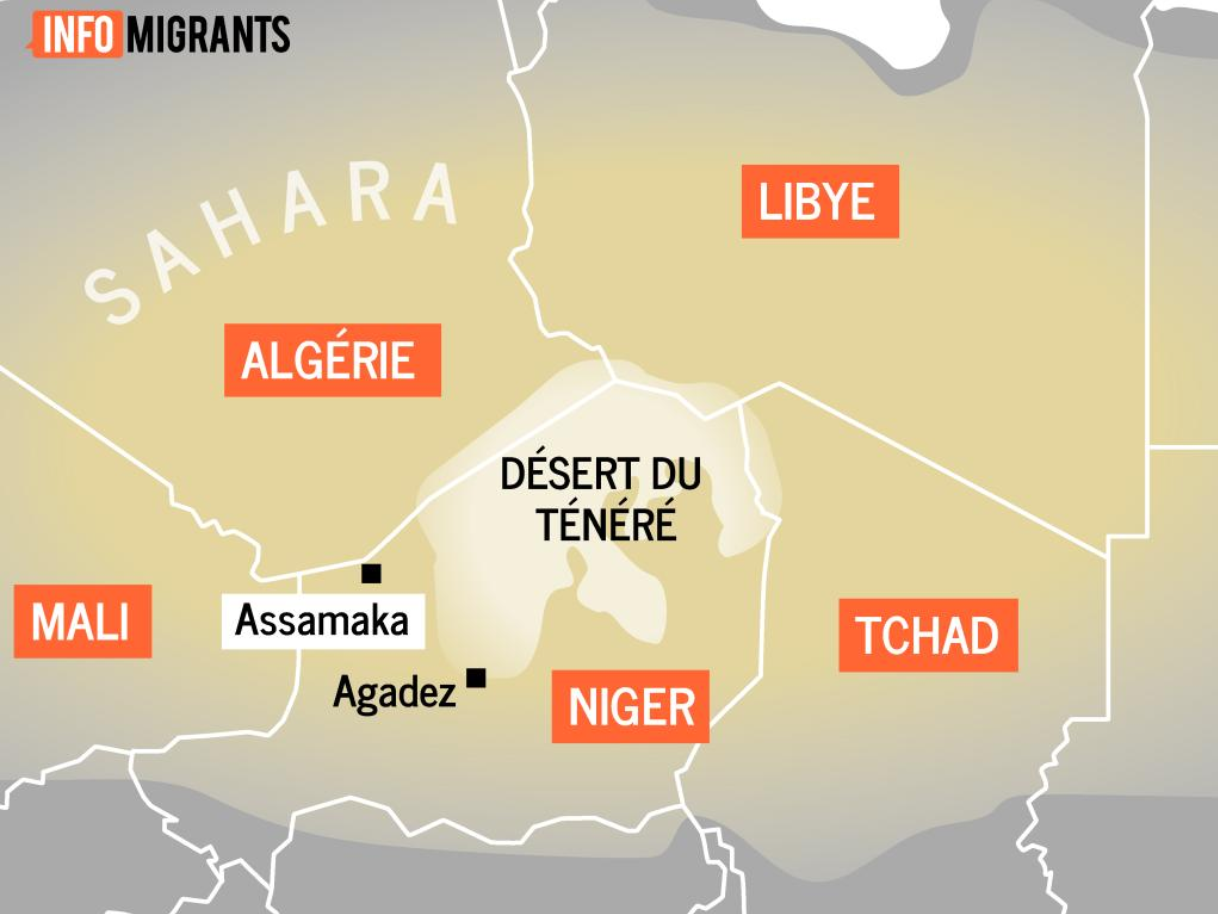
Mali has grappled with a severe security emergency since 2012, exacerbated by attacks from jihadist factions linked to Al-Qaeda and the Islamic State, as well as armed communal groups. The situation took a dramatic turn in late April, when coordinated assaults by the Group for the Support of Islam and Muslims (JNIM) and the predominantly Tuareg Azawad Liberation Front (FLA) targeted key positions across multiple regions. These attacks marked a historic escalation, resulting in significant casualties—including the death of Defense Minister Sadio Camara, a key figure in the military junta, in a suicide bombing.
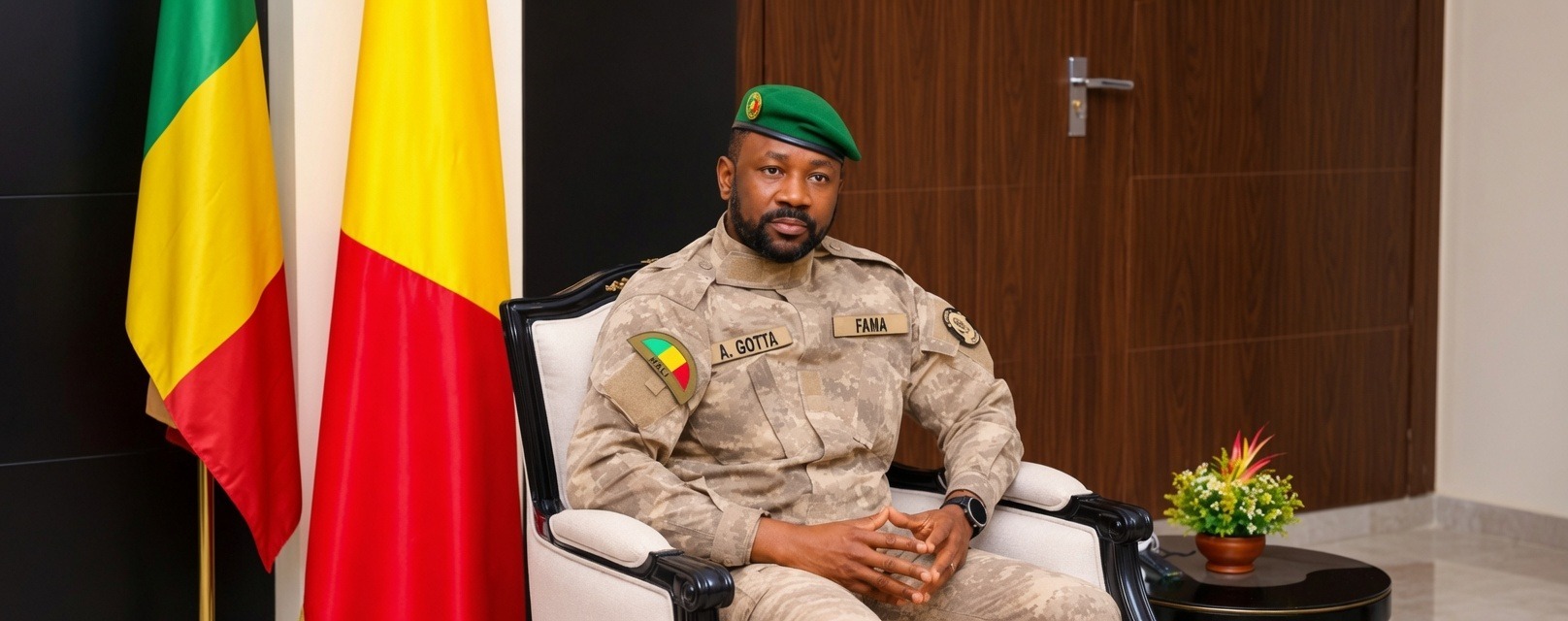
The junta, which seized power in 2020 and 2021 following two coups, has distanced itself from Western partners, opting instead to align militarily with Russia. Observers note that the strained diplomatic climate, amplified by incidents like this case, complicates efforts to address Mali’s worsening security challenges.