Boureima Amadou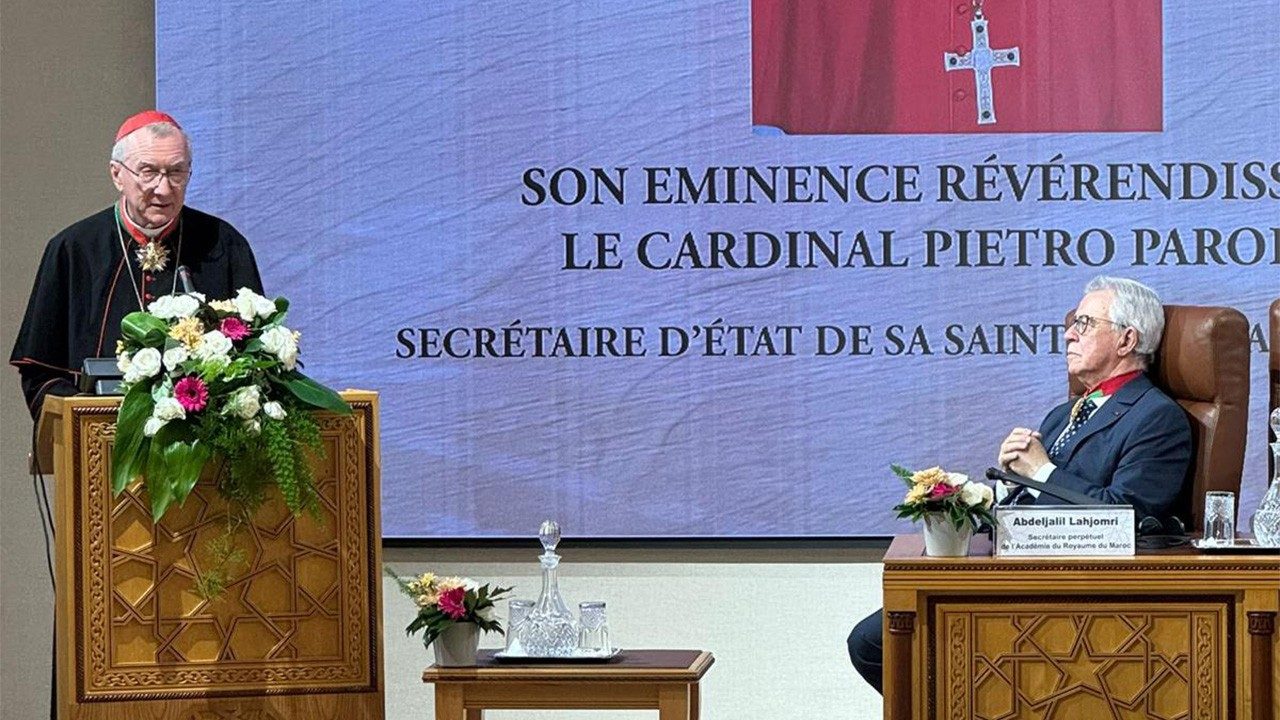
On a sunny afternoon in Rabat, Cardinal Pietro Parolin addressed a distinguished gathering as the newly appointed honorary member of the Moroccan Royal Academy. His presence highlighted the deep spiritual and ethical connections between the Holy See and the Kingdom of Morocco, emphasizing a shared vision rooted in mutual respect and moral integrity.
A call to move beyond tolerance
The Secretary of State for the Holy See underscored the importance of transitioning from mere coexistence to genuine fraternity. He cautioned against viewing relationships through a purely transactional lens, urging instead for a profound transformation where individuals embrace one another not as subjects of rights but as brothers and sisters bound by a common humanity.
Faith as the foundation of societal renewal
Cardinal Parolin articulated how faith and civic responsibility are indispensable pillars for reshaping society. He argued that true social progress emerges when communities are guided by ethical principles and a shared commitment to justice. This perspective challenges conventional notions of governance and social interaction, advocating for a model where moral conviction drives collective action.
Interfaith dialogue in action
The event in Rabat served as a testament to the power of interfaith dialogue. The Cardinal’s remarks reflected Morocco’s longstanding tradition of fostering mutual understanding between Christianity and Islam. By promoting a culture of acceptance and collaboration, the Kingdom exemplifies how diverse faith communities can coexist harmoniously, setting a benchmark for other nations.
Reimagining social bonds
Beyond political or legal frameworks, Cardinal Parolin stressed that societal renewal begins with the individual. He called for a cultural shift where people prioritize empathy and solidarity over self-interest. This vision aligns with Morocco’s efforts to cultivate a society where every citizen feels valued and heard, regardless of their background.
The Cardinal’s address in Rabat was not just a diplomatic gesture but a profound reflection on the role of faith in shaping a just and cohesive society. His words resonated with a message of hope, urging all to contribute to a world where moral values and civic duty guide human interactions.

 theafricantribune