
 Mariama Hamani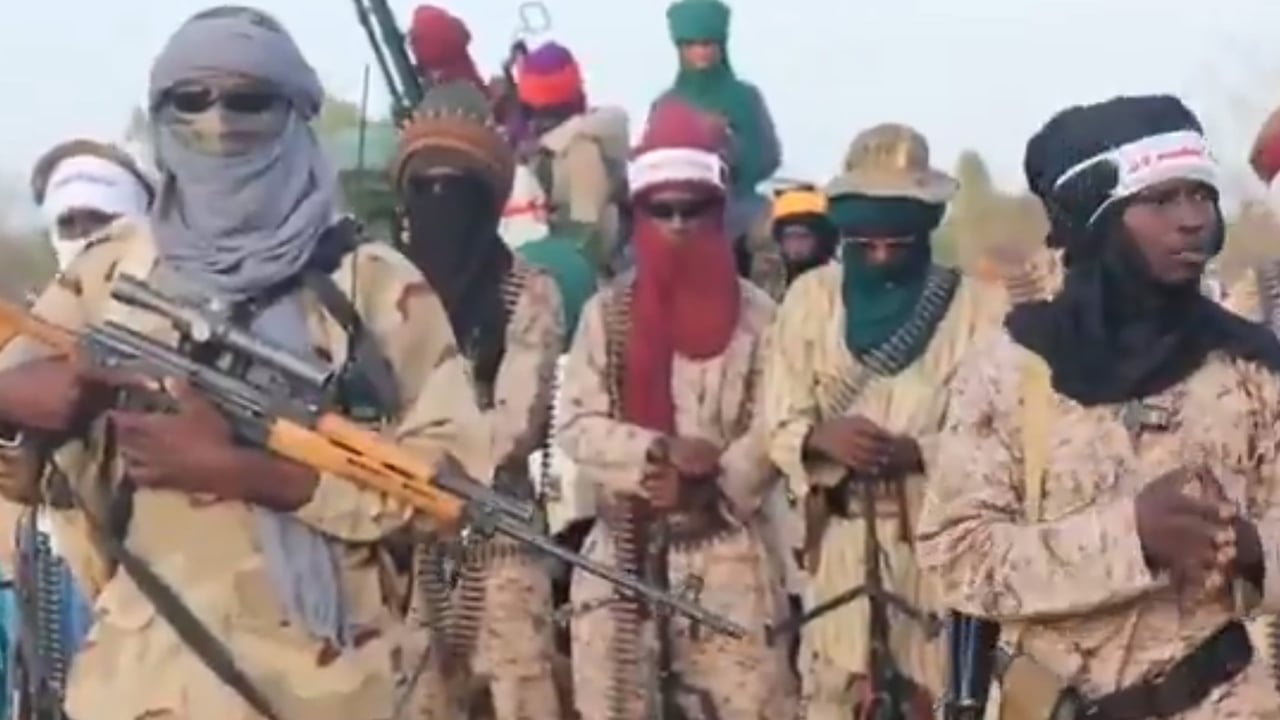
Across the vast expanse of the Sahel, a troubling pattern is emerging—one that stretches from the arid landscapes of Mali to the bustling cities of Nigeria. This evolving crisis is reshaping regional stability, revealing deep fractures that threaten to widen in the coming years.

From regional instability to fractured governance
The Sahel belt, long grappling with terrorism, now faces a new dimension of fragmentation. Militant groups are exploiting weak governance structures, turning communities against each other and accelerating the collapse of state authority in several nations.
Geopolitical fragmentation in the Sahel
This widening arc of instability is not confined to Mali alone. The ripple effects are being felt across borders, particularly in Burkina Faso, Niger, and Nigeria. Each of these countries is experiencing its own unique challenges, yet they share a common thread: the erosion of centralized control and the rise of localized power vacuums.
Rising threats in Nigeria’s northwest
In Nigeria, the crisis has taken a particularly severe turn in the northwest, where banditry, kidnappings, and insurgent activity have surged. The Nigerian government’s struggle to maintain security in this region has exposed vulnerabilities that militants are keen to exploit, further destabilizing an already fragile environment.
What’s driving this crisis?
The roots of this instability are complex. Climate change has exacerbated resource scarcity, fueling competition among communities. Economic hardship and youth unemployment provide fertile ground for militant recruitment. Meanwhile, political instability in Mali and its neighbors has weakened regional cooperation, leaving governments ill-equipped to respond effectively.
A call for cohesive regional strategies
Experts warn that without urgent and coordinated action, the Sahel’s crisis could spiral further out of control. Regional blocs like the Economic Community of West African States (ECOWAS) must prioritize cross-border security initiatives and governance reforms. Failure to act decisively risks turning this arc of instability into a permanent scar on the continent’s landscape.
As the situation evolves, the need for sustainable solutions has never been clearer. The Sahel’s future hinges on whether its nations can unite against a shared threat—or succumb to the growing tide of fragmentation.


 Boureima Amadou





