Mariama Hamani
Eastern DRC’s AFC/M23 at crossroads: leadership battles, military expansion disputes and resource rivalries
- Politics
The Alliance Fleuve Congo/Mouvement du 23 mars (AFC/M23) continues to face internal divisions, according to a recent UN expert report submitted to the Security Council. The document reveals deepening rifts within the movement, particularly between political and military factions.
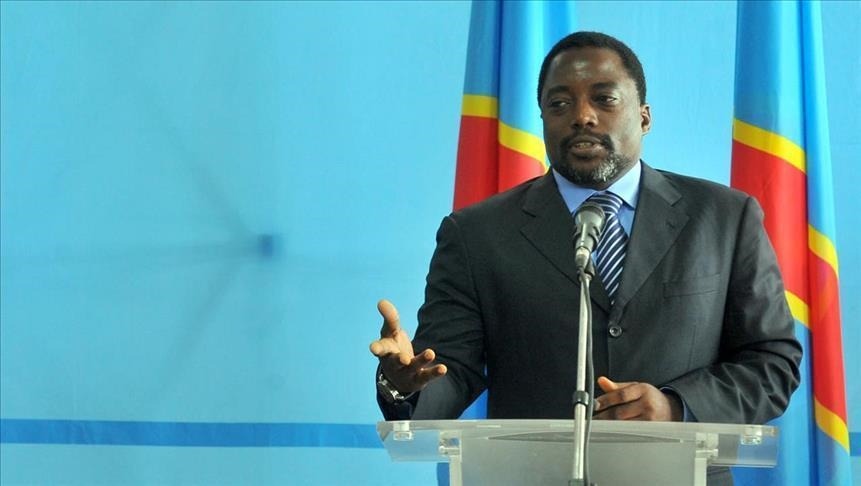
The report highlights that while senior political figures like Corneille Nangaa and Joseph Kabila harbor ambitions to extend their influence to Kinshasa, military commanders—including the influential Sultani Makenga—remain opposed to any expansion beyond the North-Kivu and South-Kivu provinces.
These strategic disagreements have been compounded by bitter disputes over resource allocation. The document notes that some officers have raised concerns about perceived preferential treatment for Tutsi commanders, exacerbating tensions within the ranks.
The AFC/M23 has been reorganized into three distinct defense zones, each under the command of a different general:
- Zone One: Covers Nyiragongo, Rutshuru and Lubero, led by General Baudoin Ngaruye
- Zone Two: Encompasses Masisi and Walikale, commanded by Brigadier General Justin Gacheri Musanga
- Zone Three: Includes South-Kivu, under the leadership of General Innocent Byamungu
The report estimates the AFC/M23’s combat strength at approximately 30,000 fighters. This force includes former members of the Congrès national pour la défense du peuple (CNDP) and the original M23, supplemented by recruits mobilized since 2021 from the diaspora and Rwandan refugee camps. Notably, the ranks have also been bolstered by former FARDC soldiers, National Police officers, and Wazalendo fighters who either defected or volunteered following the fall of Goma.
The situation in eastern DRC remains volatile despite the Washington Agreement and ongoing mediation efforts in Doha and Montreux. Kinshasa and Kigali continue to interpret the agreement’s terms differently, complicating implementation one year after its signing. The deteriorating security situation in the Middle East has further slowed diplomatic progress, leaving civilians in the crossfire of competing ambitions.
The UN report underscores the urgent need for cohesive leadership within the AFC/M23 to prevent further fragmentation and mitigate the humanitarian crisis gripping the region.