Boureima Amadou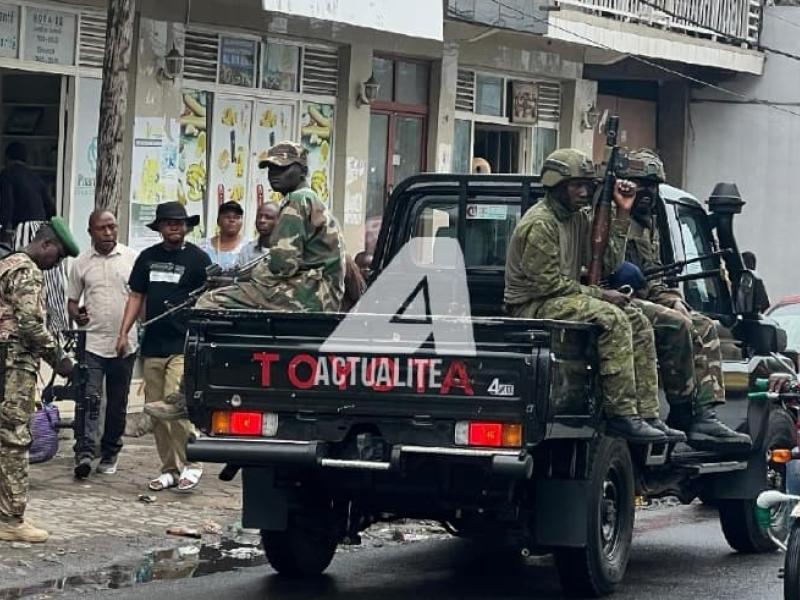
The escalating conflict in eastern Democratic Republic of the Congo (DRC) has taken a new diplomatic turn, with Russia accusing Ukraine of providing military support to the M23 rebel group. The allegations, made by Russian Foreign Minister Sergei Lavrov during a joint press conference with Burundi’s Foreign Minister, Édouard Bizimana, in Bujumbura on July 10, 2026, have intensified geopolitical tensions in the region.
The M23, a Rwandan-backed rebel faction controlling large swathes of North Kivu and South Kivu, has long been a flashpoint in the DRC’s ongoing security crisis. According to Lavrov, the group now benefits from foreign reinforcements, including operatives with combat experience in Ukraine. This claim aligns with recent reports of drones and mercenaries being deployed in the conflict, raising concerns about the humanitarian toll on civilian populations.
Diplomatic fallout and regional implications
Speaking alongside Bizimana, Lavrov condemned what he described as foreign interference in African affairs, framing the M23’s expansion as an externally orchestrated campaign. « We are witnessing blatant attempts to destabilize legitimate governments in Africa, including in the DRC. The Ukrainian presence in this conflict is not a coincidence—it serves a broader agenda to undermine countries allied with Russia while positioning Kiev as a key player on the continent, » he stated.
The Russian foreign minister further alleged that Ukrainian operatives, some with military backgrounds from the Donbas war, are being deployed as instructors or drone operators for the M23. « Their goal is clear: to weaken African nations that maintain strong ties with Moscow by fueling conflicts and prolonging instability, » Lavrov added.
This accusation comes amid mounting evidence of increased drone warfare in eastern DRC. In a recent address to the UN Security Council, Russia’s acting representative, Anna Evstigneeva, highlighted the rising use of combat drones—including a deadly strike in Goma on March 11 that killed an UNICEF staff member. She also expressed concern over the presence of foreign mercenaries, many with ties to conflict zones in Ukraine, operating in the region.
Failed peace efforts and humanitarian crisis
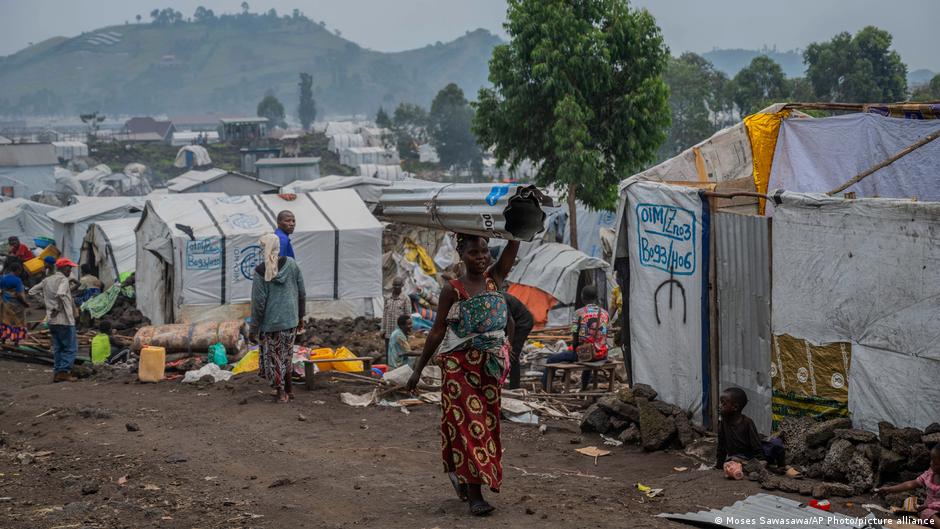
Despite multiple diplomatic initiatives—including the Washington Agreement and ongoing negotiations in Doha and Montreux—progress toward stabilizing eastern DRC remains elusive. The M23’s refusal to disarm and its alleged reliance on external backers have further complicated peace talks, with Kinshasa and Kigali at odds over the treaty’s implementation. Meanwhile, civilians continue to bear the brunt of the violence, with displacement, sexual violence, and economic collapse ravaging communities in North Kivu and South Kivu.
The international community’s response has been fragmented. While the United Nations and regional blocs like the African Union have condemned the M23’s actions, calls for accountability have gone largely unheeded. The DRC government, backed by Burundi, has accused Rwanda of direct involvement, further straining relations in the Great Lakes region.
A pattern of foreign interference
Russia’s accusations against Ukraine are not isolated. Since the 2022 invasion of Ukraine, Moscow has repeatedly warned of Western-backed proxy conflicts in Africa, framing them as part of a broader strategy to contain Russian influence. The DRC, a mineral-rich but politically fragile nation, has become a battleground for competing narratives, with each side accusing the other of destabilizing the continent.
As the crisis deepens, the humanitarian toll is becoming impossible to ignore. Over 5 million internally displaced persons and thousands killed since 2022 paint a grim picture of a conflict that shows no signs of abating. With no clear path to peace, the risk of further escalation—whether through drone strikes, mercenary deployments, or diplomatic brinkmanship—looms larger than ever.
The DRC’s instability not only threatens regional security but also underscores the dangerous interplay between global proxy wars and local conflicts.