Mariama Hamani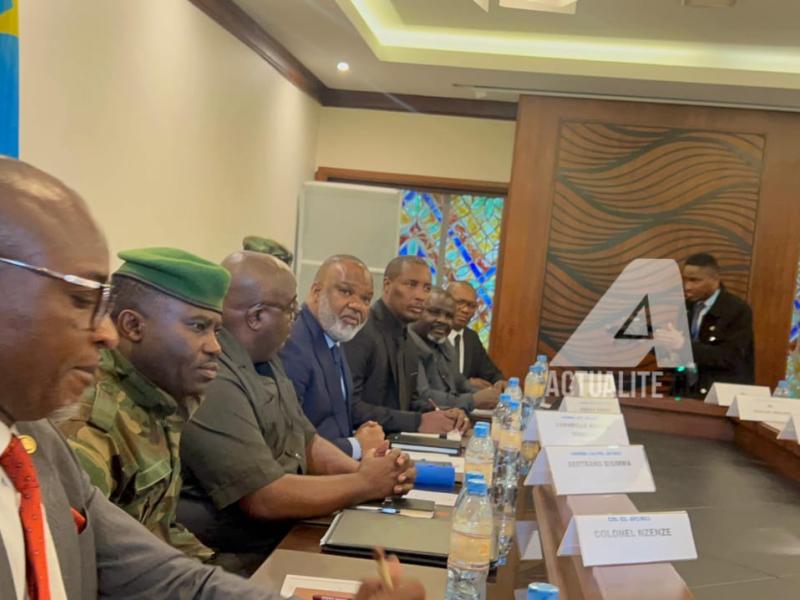
East DRC Conflict: AFC/M23 Blames Silence of Mediators and Partners for Peace Process Stagnation
The Allied Forces of Congo (AFC) and the March 23 Movement (M23) have sharply criticized the international community’s perceived inaction in the face of escalating tensions in eastern Democratic Republic of Congo (DRC). In a scathing statement delivered in Goma, North Kivu, on June 18, 2026, the movement’s political coordinator, Corneille Nangaa, accused mediators and diplomatic partners of complicity in what he termed the “sabotage” of peace efforts by Kinshasa.
Diplomatic Tensions Rise Over Security Crisis
The statement followed President Félix Tshisekedi’s address to Congolese diaspora in Houston, where he reaffirmed his commitment to reclaiming territories controlled by the AFC/M23. Nangaa condemned the president’s rhetoric as “irresponsible” and “warlike,” arguing that such declarations undermine ongoing diplomatic initiatives, including the Doha peace talks and Washington agreements.
International Community Faces Scrutiny
Nangaa questioned the silence of international mediators, including those involved in the Doha process and regional diplomatic missions, stating that their inaction “encourages impunity” and perpetuates violence. He emphasized that these actors possess detailed information about the deteriorating security and humanitarian situation, particularly in the Minembwe Highlands, yet fail to take decisive action.
“The mediators of the Doha peace talks, diplomatic missions, international agencies, and human rights organizations are fully aware of the continuous deterioration of the security and humanitarian situation. This failure to act reinforces the sense of impunity and fuels ongoing violence.”
Peace Efforts Stalled by Broken Promises
The AFC/M23 coordinator highlighted what he described as Kinshasa’s systematic undermining of peace initiatives. He pointed to the government’s refusal to implement reciprocal commitments, such as the release of prisoners of war by the AFC/M23, which had been intended as a confidence-building measure. Meanwhile, the deployment of additional military forces by the DRC government contradicts the stated goal of de-escalation.
“The intensification of military operations and the continuous deployment of new forces are completely at odds with any sincere peace process. Despite hundreds of prisoners of war being released by the AFC/M23, Kinshasa has failed to uphold its own commitments.”
Humanitarian Crisis Deepens
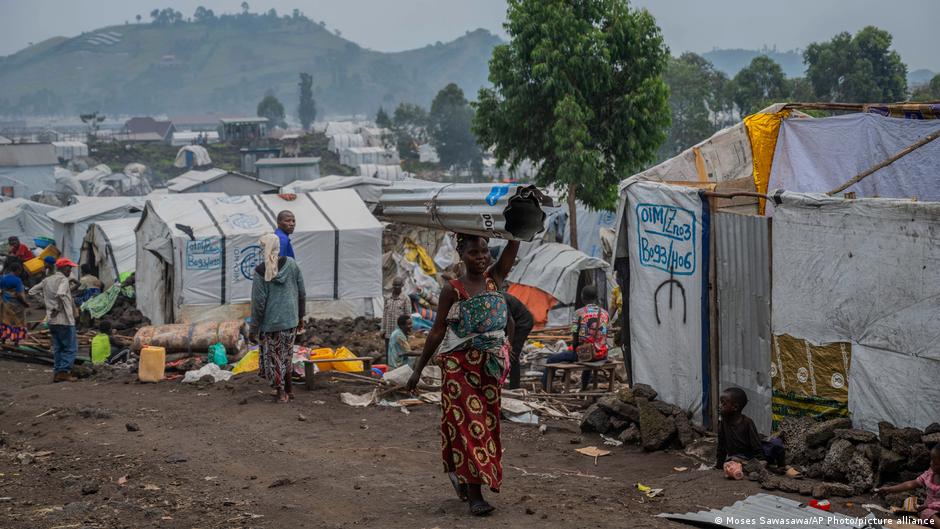
Nangaa accused Kinshasa of minimizing the severity of the crisis in eastern DRC, dismissing the suffering of populations as a peripheral tragedy. He stressed that every human life deserves equal protection, warning against the normalization of violence in regions like Minembwe, where communities face daily attacks.
- Military escalation: Increased clashes between government forces and AFC/M23 rebels.
- Humanitarian impact: Over 60,000 displaced persons recorded in Ituri alone in May 2026.
- Diplomatic deadlock: Peace talks in Doha and Washington have yielded no tangible results on the ground.
Calls for Urgent Action
The AFC/M23 statement concludes with a plea for the international community to reassess its role in the peace process. Nangaa urged mediators and partners to move beyond rhetoric and take concrete steps to hold all parties accountable for their actions, warning that continued inaction risks further destabilization in the region.
The conflict in eastern DRC, now in its eighth year, shows no signs of abating, with civilians bearing the brunt of the violence. As diplomatic efforts falter, the humanitarian toll continues to rise, leaving observers questioning the viability of a peaceful resolution.

 Boureima Amadou