Mariama Hamani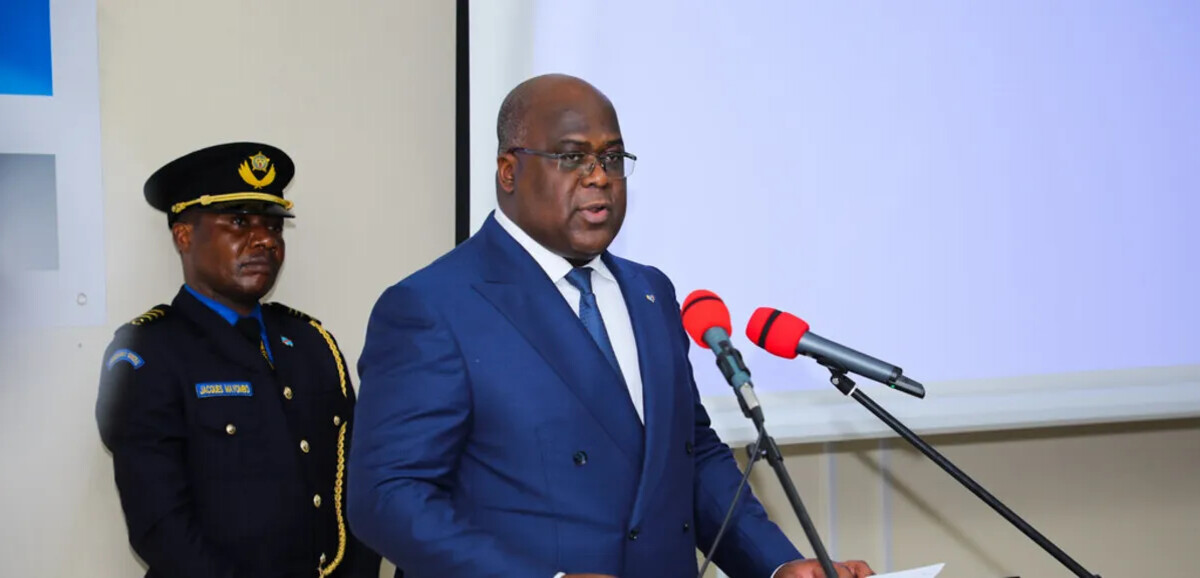
DRC president to visit Ebola-hit Ituri amid crisis response
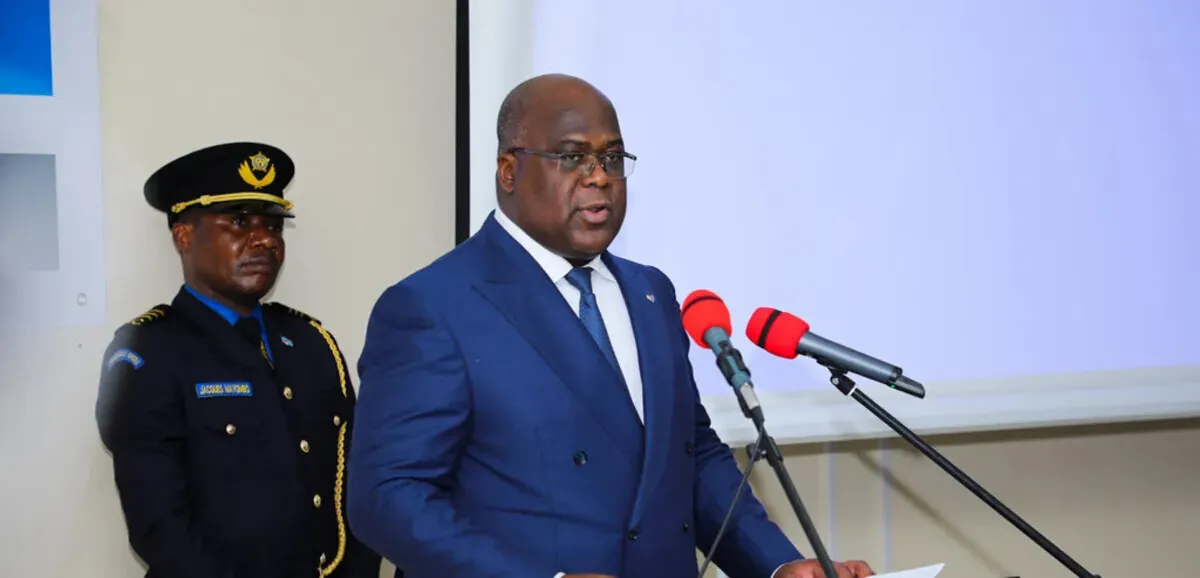
The President of the Democratic Republic of the Congo, Félix Tshisekedi, has announced plans for an imminent visit to Ituri, a northeastern province grappling with the latest Ebola outbreak declared on May 15. With over 1,000 confirmed cases and 267 fatalities recorded so far, the crisis continues to escalate in one of the world’s poorest nations.
This marks the 17th Ebola outbreak in the DRC, with Ituri—a remote province plagued by armed group violence—serving as the epicenter. The hemorrhagic fever has now infected 1,048 individuals and claimed 267 lives across the country, yielding a mortality rate of 25.5%. While the virus has been detected in three eastern provinces, neighboring Uganda has also reported 20 cases, including two fatalities.
The latest outbreak stems from the Bundibugyo virus strain, for which no vaccine or cure currently exists. Existing vaccines only target the Zaire strain, which has driven previous, more devastating Ebola epidemics. Over the past five decades, Ebola has claimed over 15,000 lives across Africa.
“My commitment is unwavering”
“I will soon travel to Ituri—the heart of the outbreak—to oversee the response firsthand. My commitment to ending this crisis is absolute,” President Tshisekedi declared during an official meeting with Burundi’s President Evariste Ndayishimiye in Kinshasa. The exact date of his visit remains undisclosed.
Challenges in the response
Health authorities in Ituri have faced significant hurdles in containing the spread. Isolation measures and contact tracing—key strategies in Ebola control—were slow to implement. Despite gradual reinforcements, local hospitals remain critically under-equipped, lacking essential supplies like protective gear and chlorine more than a month after the outbreak’s declaration.
Ebola treatment centers established in recent weeks with support from the World Health Organization and international NGOs are already operating at over 80% capacity, according to health officials. While testing capabilities have improved, humanitarian organizations warn that official figures likely underestimate the true scale of the crisis. They caution that the outbreak has not yet peaked and could persist for six months to a year. Ebola spreads through direct contact with bodily fluids.


 Boureima Amadou