Mariama Hamani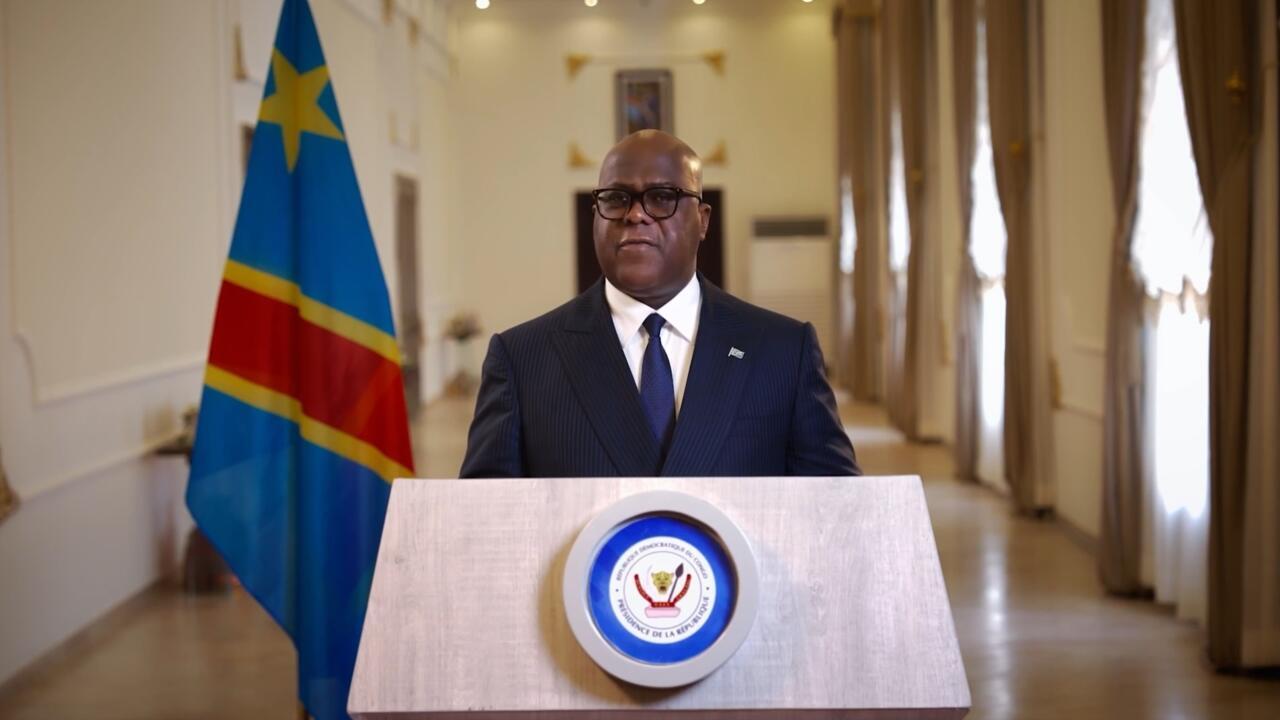
Democratic Republic of Congo: will Félix Tshisekedi seek a third term?
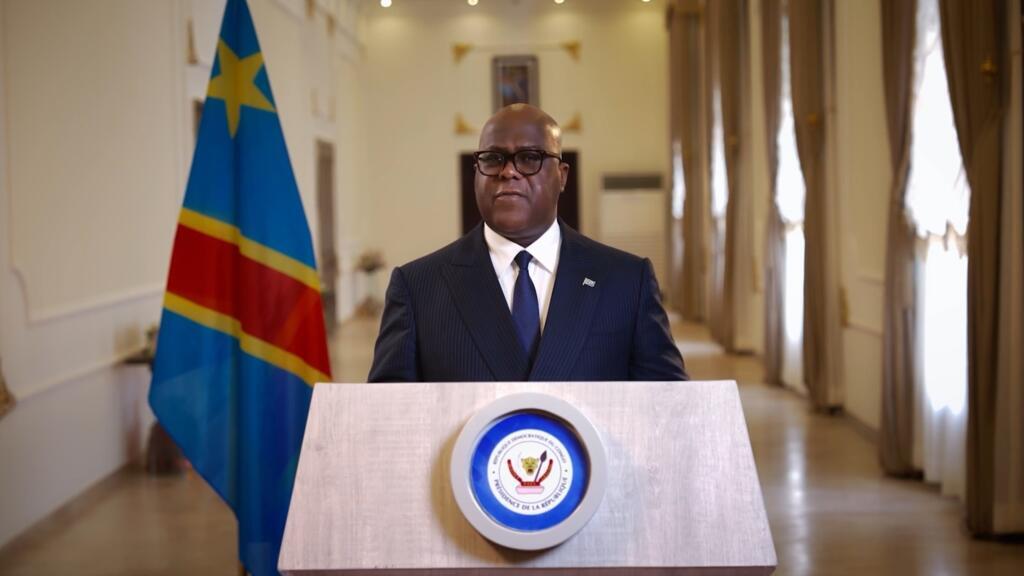
In Kinshasa, Radio Okapi declared on July 28, 2026: “The suspense is over! The Constitutional Court has validated the referendum organization law, confirming its compliance with the Constitution.
Yet behind this legal ruling, a fierce political debate is unfolding in the Democratic Republic of Congo. The opposition argues that this law could pave the way for constitutional amendments allowing President Félix Tshisekedi to extend his time in office. The ruling camp, however, dismisses this interpretation, insisting the reform aims solely to enhance institutional efficiency.
The stakes are high. Since assuming office in 2019, President Tshisekedi, now 63, is set to complete his second term in late 2028. The Congolese Constitution currently prohibits any revision of presidential term limits. Yet, during a rare press conference in early May, he stated he had “not sought a third term” but added: “if the people wish for me to serve a third term, I will accept it.”
Opposition mobilizes against constitutional changes
The opposition is vehemently opposed to the referendum law. Afrik.com notes that the law’s promulgation—already passed by the National Assembly and Senate—gives President Tshisekedi leeway to advance constitutional amendments that could reset his mandate count, enabling a third term. This scenario is unacceptable to the opposition, which has been mobilizing for weeks to block any such revision. While the government has provided no justification for opposition suspicions, President Tshisekedi himself hinted weeks ago that he would not reject a third term if the people demanded it.
Catholic Church joins the chorus of dissent
The influential Catholic Church in the Democratic Republic of Congo has also voiced strong opposition to constitutional changes. According to Afrique XXI, the National Episcopal Conference of Congo (CENCO) issued a firm statement rejecting any necessity, urgency, or opportunity for constitutional amendments that would facilitate a third term. The bishops’ stance echoes their past role in 2018, when they led widespread protests to prevent former President Joseph Kabila from seeking a third term, despite constitutional limits. Their efforts, backed by public pressure and international condemnation, ultimately succeeded in forcing Kabila to step aside.
Dialogue on the horizon—or another political tool?
Could constitutional debates be addressed in an upcoming political dialogue? The question remains uncertain. Afrikarabia, a specialist site on the Democratic Republic of Congo, highlights that President Tshisekedi has tasked religious leaders with organizing a political dialogue, though its contours remain vague—particularly regarding inclusivity. The government’s priorities appear to center on national cohesion amid regional tensions, while the opposition remains fixated on preventing constitutional changes. The head of state has expressed willingness to discuss “all matters of national interest,” leaving the door open for constitutional debates. Yet Afrikarabia warns that such exercises can sometimes serve as tools for governments to weaken opposition by offering superficial power-sharing agreements.


 Boureima Amadou