

Published today at 1:58 PM Reading time: 2 minutes.
The Dakar Forum has become the latest stage for renewed diplomatic friction surrounding the longstanding Western Sahara dispute, drawing attention to shifting alliances in the Maghreb.
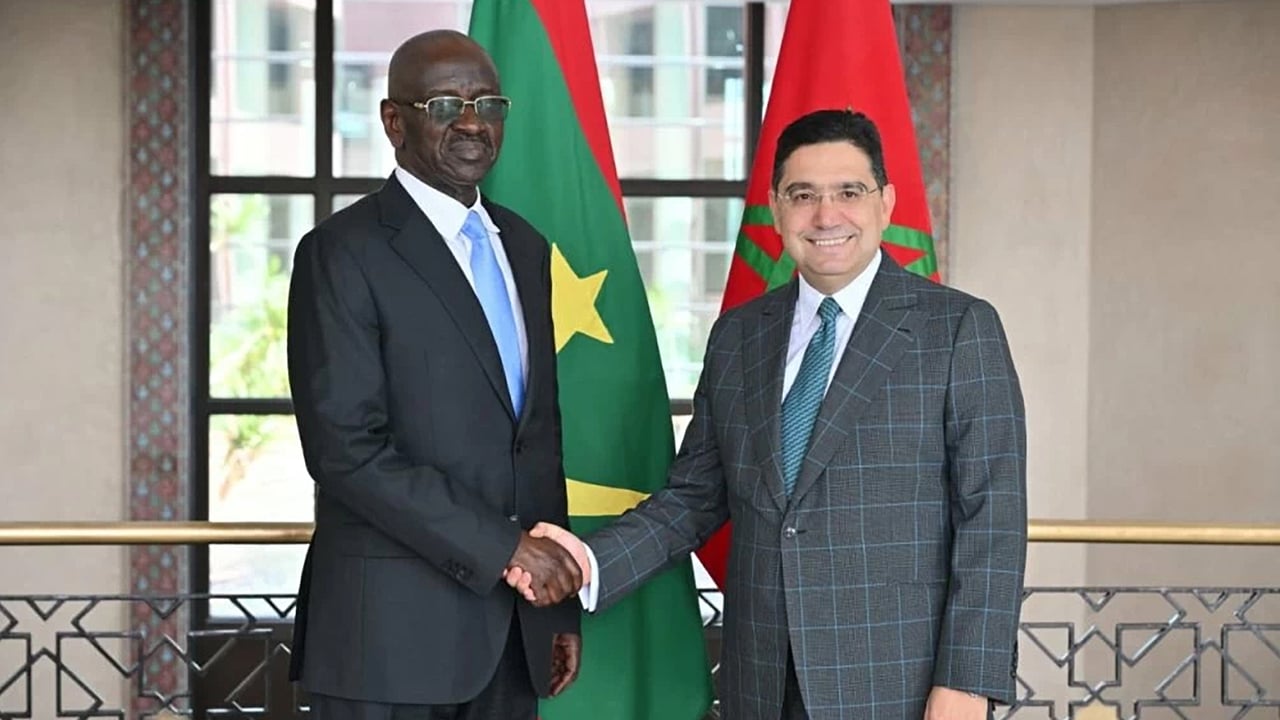
High-level discussions on the sidelines of the event have highlighted how the territorial question continues to shape Morocco and Mauritania’s bilateral relations, despite decades of attempts at normalization. The meeting in Rabat last May between senior diplomats from both nations underscored lingering sensitivities over the issue.
Historical echoes in modern diplomacy
While Morocco has maintained its position on Western Sahara as a core national priority, Mauritania has adopted a more cautious stance. Observers note that the Dakar Forum’s platform has inadvertently reignited debates that many had hoped were settled, with both countries reaffirming their positions without making concessions.
The absence of breakthrough agreements at this year’s forum reflects deeper unresolved questions about sovereignty, recognition, and regional stability. The renewed exchanges serve as a reminder that Western Sahara remains a defining issue in North African geopolitics.
What’s next for Morocco-Mauritania relations?
With no immediate resolution in sight, the diplomatic landscape appears increasingly complex. Both nations continue to navigate the delicate balance between cooperation and historical grievances, while the international community watches closely. The Dakar Forum may have set the stage for further discussions, but tangible progress remains elusive.
As the region grapples with shifting alliances and evolving priorities, the Western Sahara question persists as a key factor in shaping the future of Maghreb diplomacy.

Boureima Amadou
Reporter
Boureima Amadou
- Top Stories
- October 1, 2026
- 130 views
Moussa Kaka’s month-long disappearance in Niger: the widening toll on citizens, commerce and public trust
One month of silence, and a country left guessing In Niger, the pressure on independent journalism has now stretched past the one-month mark, and the consequences are rippling far beyond…

Mariama Hamani
- Top Stories
- October 1, 2026
- 41 views
Is Barrick Gold’s Loulo-Gounkoto truce a strategic blunder for Mali’s mining future
A truce built on silence: what is Barrick Gold really hiding at Loulo-Gounkoto? The suspension of the strike notice at the Loulo-Gounkoto gold complex conceals a financial pact of a…





