
 Mariama Hamani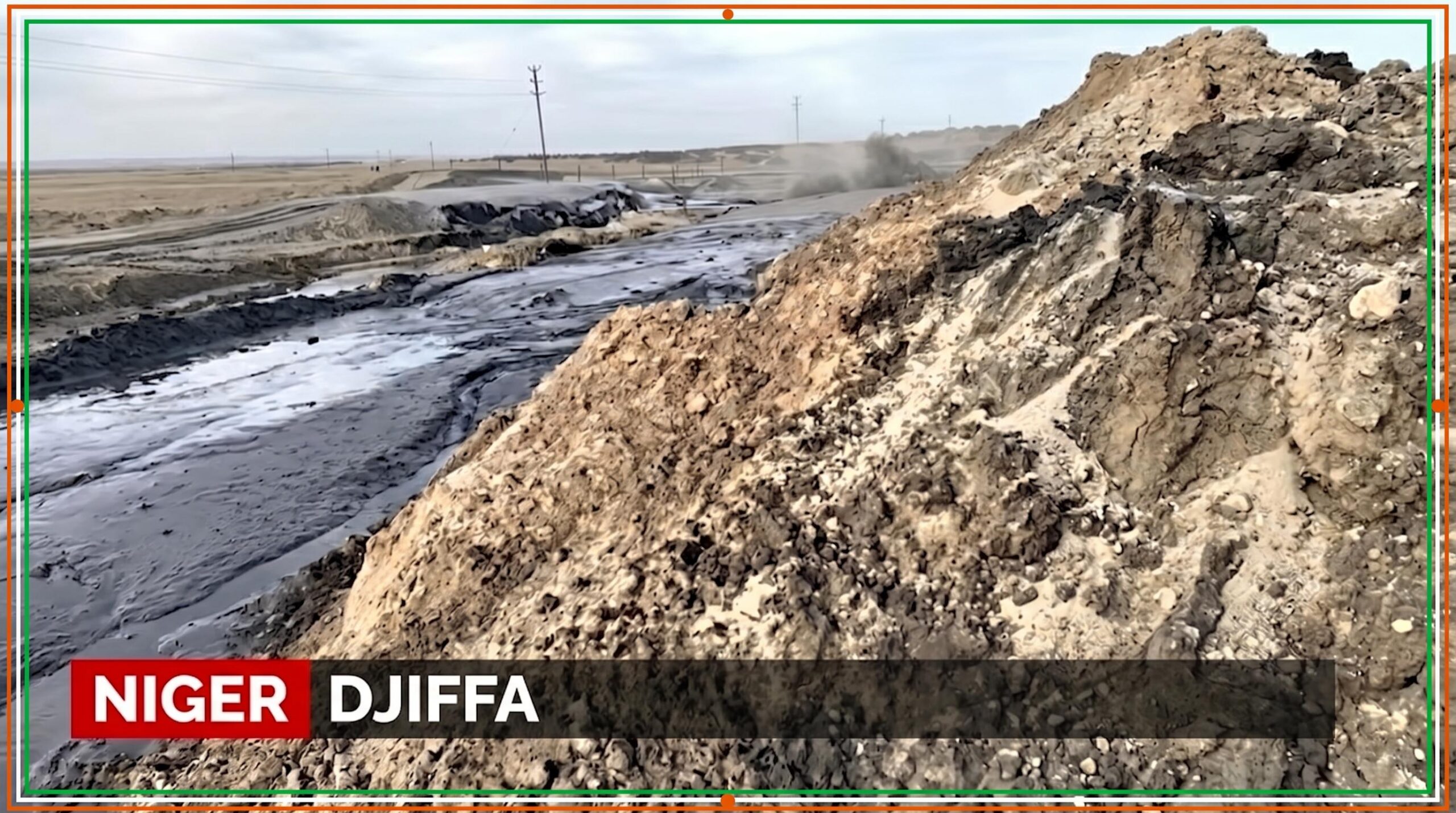
Diffa faces urgent oil spill threat as environmental disaster looms
An oil spill detected in Diffa, Niger, has escalated into an environmental emergency after persisting for nearly a week. Authorities must act fast to identify the source, contain the leak, and assess the damage before irreversible harm occurs to local ecosystems and communities.
What we know so far about the Diffa oil spill
The spill, described as a growing black slick across affected areas, signals a serious environmental threat. While the exact volume of crude oil released remains unconfirmed, satellite imagery and local reports confirm the presence of hydrocarbon contamination spreading across land and potentially threatening water sources.
Key unanswered questions include the precise origin of the leak, the total area impacted, and whether nearby water supplies have been compromised. Investigations are underway, but without transparent reporting, uncertainty fuels public concern.
Time is running out: why swift action is critical
A delayed response to hydrocarbon spills drastically increases cleanup difficulty and long-term ecological damage. Petroleum products can seep into soil, poison water tables, and disrupt agricultural and pastoral activities that sustain local livelihoods.
The longer the leak remains unchecked, the greater the risk of irreversible contamination. Immediate priorities include:
- Locating and sealing the source of the leak
- Deploying containment barriers to prevent further spread
- Conducting soil and water sampling to assess contamination levels
- Informing nearby communities about health and safety precautions
How Diffa’s oil spill could devastate local lives and economies
The consequences of this spill extend far beyond the visible slick. If crude oil infiltrates water systems, it could poison drinking supplies and poison aquatic life, disrupting fishing and farming activities central to regional food security.
Pastoralists, farmers, and fishing communities—already vulnerable to climate and security challenges—face the brunt of this disaster. Contaminated land may become unusable, forcing families into economic instability and driving food insecurity.
Early indicators suggest contamination could reach water points within 48–72 hours if the leak persists. This timeline underscores the need for immediate intervention before conditions worsen.
The cost of silence: why transparency matters now
Public trust erodes when authorities withhold information during environmental crises. Affected residents deserve clear updates on mitigation efforts, safety guidelines, and accountability measures.
Unchecked rumors and misinformation can cause panic and hinder coordinated responses. Only through verified data and public communication can officials mitigate fear and maintain social stability during the response phase.
Residents need answers to critical questions:
- Which company operates the affected infrastructure?
- Has the leak source been pinpointed and sealed?
- Are containment and cleanup operations underway?
- What is the contamination’s current scope?
- Have communities received guidance on health risks?
A call for accountability and preemptive action
While oil production contributes to Niger’s economic growth, environmental safeguards must never take a backseat. Systematic failures—such as inadequate maintenance, poor monitoring, and delayed emergency protocols—risk turning economic gains into ecological ruin.
This incident demands a dual approach:
- Immediate response: Rapid containment, pollution assessment, and community protection
- Long-term prevention: Stronger regulatory oversight, routine infrastructure checks, and emergency training
If negligence is confirmed, Niger must enforce environmental penalties, mandate full restoration of damaged ecosystems, and compensate affected households. The nation’s future depends on balancing resource extraction with ecological protection.
Diffa’s spill: a defining test for Niger’s environmental governance
This crisis is not just about cleaning up oil—it’s about demonstrating Niger’s commitment to environmental stewardship. The government, industry leaders, and response teams must collaborate transparently to prevent lasting harm to Diffa’s people and ecosystems.
The spill in Diffa is a wake-up call. If left unaddressed, it could mark the beginning of a decades-long environmental catastrophe. But if handled with urgency, competence, and accountability, it can also set a precedent for sustainable resource management across the region.
The clock is ticking. Every hour without decisive action increases the risk of irreversible damage—and the stain of negligence on Niger’s environmental record.


 Boureima Amadou



