Boureima Amadou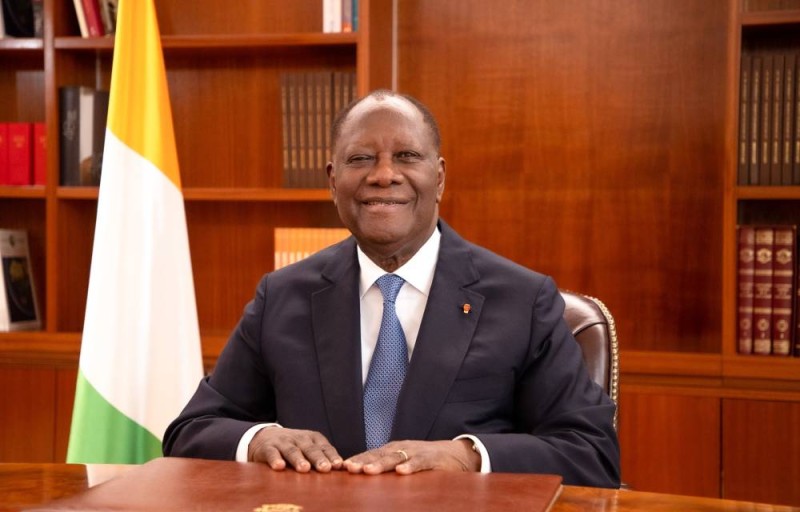
As Côte d’Ivoire prepares to mark its 66th Independence Day on August 7, 2026, all eyes turn to President Alassane Ouattara’s annual address to the nation. Far more than a symbolic event, this speech arrives at a pivotal moment defined by pressing economic, social and security concerns—each demanding urgent attention from the highest office.
Economic pressures shaping national priorities
The Ivorian economy, widely praised by international partners for its robust growth, now faces the challenge of translating macroeconomic success into tangible improvements for ordinary citizens. At the heart of public frustration lies the persistent rise in living costs: staple foods, housing and essential services continue to strain household budgets. Families across the country are calling for immediate measures to stabilize prices and protect purchasing power.
Youth employment remains another critical flashpoint. With thousands of graduates entering the labor market annually, the demand for sustainable job opportunities has never been greater. Expectations are high for bold initiatives in vocational training, entrepreneurship support and private sector expansion—areas where state intervention could unlock real change.
Agriculture and industrial development: foundations for shared prosperity
Agriculture, the backbone of Côte d’Ivoire’s economy, stands at a crossroads. Producers of cocoa, coffee, rubber, cashew and other export crops are urging the government to strengthen financial access, stabilize incomes and shield them from volatile global markets. Meanwhile, industrialization efforts are being watched closely as a pathway to diversify the economy and create high-value jobs beyond traditional sectors.
Infrastructure and regional equity: closing the gap
Rural communities continue to lag behind urban centers in basic infrastructure. Citizens are demanding accelerated progress in road networks, potable water access, reliable electricity, and the construction of schools and health facilities. Addressing these disparities is seen as essential to fostering inclusive growth and reducing regional inequalities.
Healthcare, education and social protection: pillars of national resilience
The call for a stronger healthcare system resonates louder than ever. Expanding universal health coverage, improving medical facilities and ensuring affordable care are top priorities for families. In parallel, education reform—including vocational training—is viewed as a lever to equip the next generation with skills aligned to market demands and future economic needs.
Security and governance: safeguarding stability and trust
In a subregion facing persistent security threats, Côte d’Ivoire’s commitment to peace, counter-terrorism and social cohesion remains vital. Strengthening national security while upholding democratic values is seen as non-negotiable for long-term stability. Equally important is the fight against corruption and the modernization of public administration to enhance transparency and service delivery.
National unity and democratic consolidation
Sixty-six years after independence, the nation’s trajectory hinges not only on economic performance but on inclusivity. President Ouattara’s address is expected to emphasize dialogue, reconciliation and national unity—values that underpin sustainable democracy. The tone and substance of this message will be closely analyzed as indicators of Côte d’Ivoire’s readiness to advance as a unified and forward-looking society.