Boureima Amadou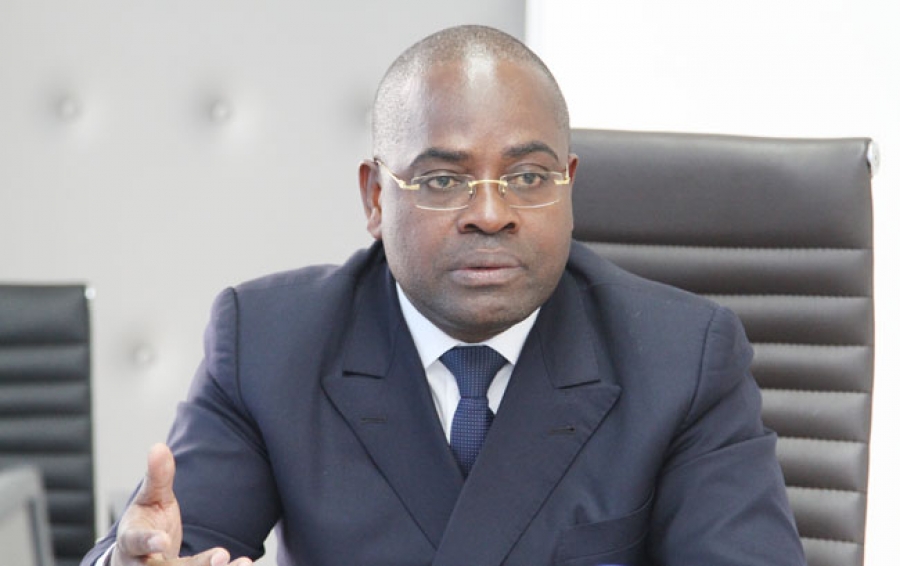
Sixty-six years after gaining independence, Côte d’Ivoire stands at a pivotal moment where its historical sovereignty converges with an ambitious vision for future growth.
From political independence to holistic sovereignty
When Côte d’Ivoire declared independence on August 7, 1960, it wasn’t merely the end of colonial rule—it marked the beginning of a comprehensive transformation. The nation secured full political and diplomatic autonomy, enabling it to shape its own destiny through self-governance, domestic legislation, and international representation. Membership in the United Nations, formalized on September 20, 1960, and participation in regional bodies like ECOWAS and the Entente Council solidified its place among sovereign nations, no longer speaking as a dependent territory but as an equal partner.
Yet sovereignty extended beyond governance. It encompassed economic resilience, requiring mastery over production, local resource transformation, and reduced reliance on volatile global commodity markets. Social sovereignty ensured access to education, healthcare, and social protection, while security sovereignty guaranteed territorial integrity and public safety—each pillar reinforcing the others to form a unified, self-sustaining nation.
The evolution of national development plans
Since independence, Côte d’Ivoire’s development trajectory has been guided by successive National Development Plans (PNDs), each responding to the nation’s evolving priorities and challenges.
The golden era of five-year plans (1960–1993)
Under the leadership of President Félix Houphouët-Boigny, Côte d’Ivoire launched integrated five-year plans aimed at agricultural self-sufficiency, regional equity, and diversified industrialization. The result was the famed “Ivorian Miracle,” a period of rapid economic expansion that positioned the country as a regional economic leader by the 1980s.
Navigating crises and structural reforms (1980–2011)
The 1980s brought economic turbulence, prompting structural adjustment programs that reshaped fiscal policies and public sector management. Political instability from 1999 to 2011 disrupted development momentum, necessitating a return to stability and renewed planning.
Modernization through multi-year frameworks (2012–2025)
The post-2012 era saw the introduction of strategic, multi-year plans designed to propel Côte d’Ivoire toward its 2030 emergence goals. These frameworks emphasized industrialization, human capital development, private sector growth, inclusive social policies, balanced regional development, and transparent governance—each contributing to a more diversified and resilient economy.
PND 2026–2030: a leap toward transformative growth
The upcoming PND 2026–2030 represents a decisive shift—one that builds on past achievements while accelerating structural transformation. With an unprecedented investment envelope exceeding 114 trillion CFA francs, the plan prioritizes private sector engagement, green economy integration, and climate resilience. Goals include sustaining an average GDP growth rate of 7.2%, generating millions of formal jobs, reducing poverty below 20%, and extending life expectancy—all while maintaining social cohesion and territorial security.
Independence day 2026: a moment of reflection and renewal
The 66th anniversary of independence, to be commemorated in Yopougon, is more than a celebration—it is a reaffirmation of national purpose. The theme, centered on the role of defense and security forces in fostering peace, unity, and development, underscores the administration’s commitment to safeguarding the gains of sovereignty while advancing inclusive progress.
This event also highlights the administration’s closeness to citizens. By choosing regional hubs like Bouaké in 2025 and Yopougon in 2026 for national celebrations, the government signals its dedication to equitable regional development—a core pillar of every PND.
From formal sovereignty to tangible prosperity
Independence in 1960 granted Côte d’Ivoire legal sovereignty. Today, the challenge—and the promise—of PND 2026–2030 is to transform that sovereignty into tangible well-being: a nation where every citizen benefits from economic opportunity, social justice, and enduring peace. The path forward is clear. It is built on continuity, innovation, and an unyielding belief in Côte d’Ivoire’s potential to rise as a beacon of progress in Africa.