Mariama Hamani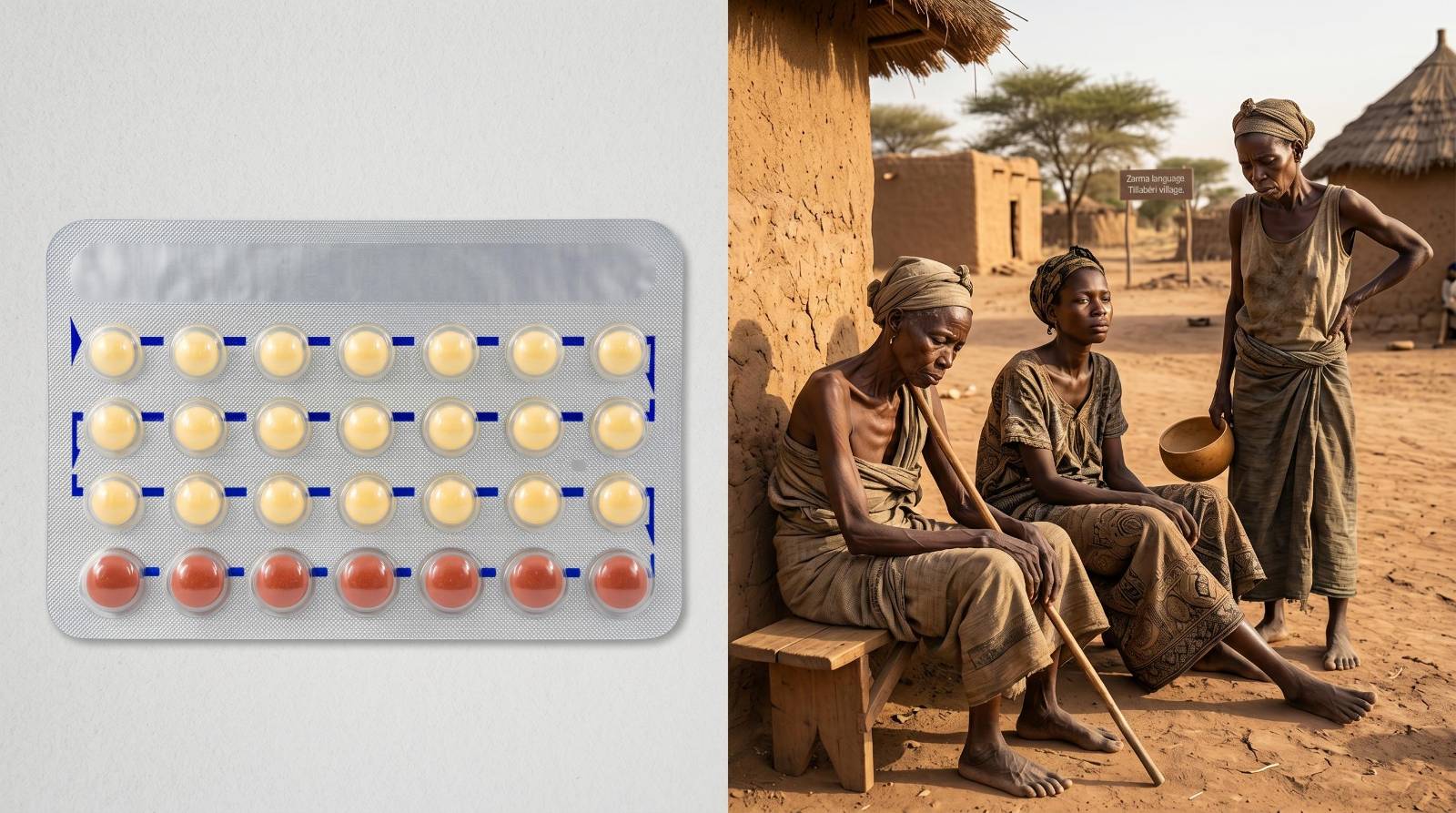
Navigating the Dual Risks of Family Planning in Sahel’s War-Torn Regions
In the heart of the Sahel, where progress is often measured in cautious steps, the push for contraception access in conflict zones like Tillabéri’s volatile districts is revealing a troubling paradox. While Niamey champions reproductive health initiatives as pillars of development, the reality on the ground tells a starkly different story—one where humanitarian intentions clash with harsh, unyielding conditions.
When Nutrition Gaps Collide with Contraceptive Demands
The Liptako-Gourma region, stretching across borders and besieged by insecurity, faces a silent crisis: severe malnutrition among women. Supply chains have collapsed. Farmlands lie fallow. In this climate of deprivation, introducing hormonal contraceptives without robust medical oversight is a gamble with potentially fatal consequences. For women already weakened by hunger and relentless stress, these interventions can trigger dangerous complications. Without accessible healthcare—centers destroyed, roads blocked—the very tools meant to empower may instead compromise their fragile health.
A Cultural Divide: Family Planning as a Provocation
The arrival of programs focused on adolescent married women and marital dialogue in areas under the sway of non-state armed groups is not merely a medical intervention—it’s a cultural lightning rod. In these communities, family structures serve as the last bastion against chaos. When outsiders promote contraception and gender norms that challenge entrenched traditions, they risk more than disapproval; they invite direct reprisals. Women, already navigating the trauma of war, now face accusations of betraying local values. The result? A perilous shift from health concerns to personal safety, as insurgents target those who participate in perceived foreign agendas.
The Hollow Promise of Healthcare in the ‘Triangle of Death’
Official reports may boast of widespread home visits and outreach, but the ground reality in Tillabéri’s most dangerous zones tells another tale. What happens when side effects emerge—severe bleeding, debilitating reactions—yet travel is a death sentence? Mines, checkpoints, and armed patrols turn routine medical follow-ups into high-risk gambles. A simple contraceptive method, meant to prevent unintended pregnancies, can quickly become a death sentence in an environment where survival itself is a daily struggle.
The disconnect between policy and practice is glaring. In a region where food insecurity and violence are daily threats, imposing societal change through health programs without addressing the root causes of instability may do more harm than good. The question lingers: Can reproductive health truly thrive when the foundations of safety and sustenance are crumbling?


 Boureima Amadou