Boureima Amadou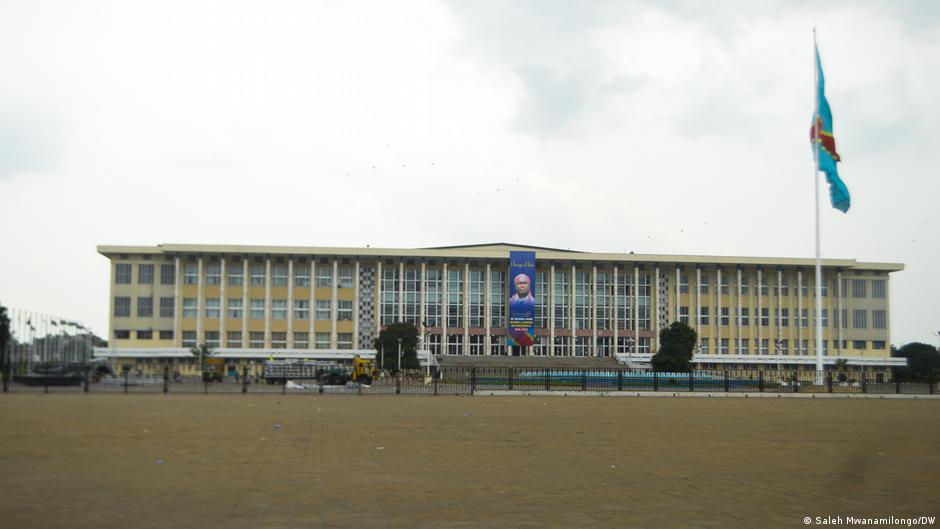
Constitutional reform debate intensifies in DRC as opposition files complaint
The debate over changing the constitution in the Democratic Republic of the Congo continues to stir public discourse. On May 27, the National Assembly passed a bill setting the terms for a referendum. Since then, tensions have risen between the ruling majority, which argues for necessary institutional reform, and the opposition, which condemns what it sees as a maneuver to keep President Félix Tshisekedi in power.
A divided youth faces a major issue
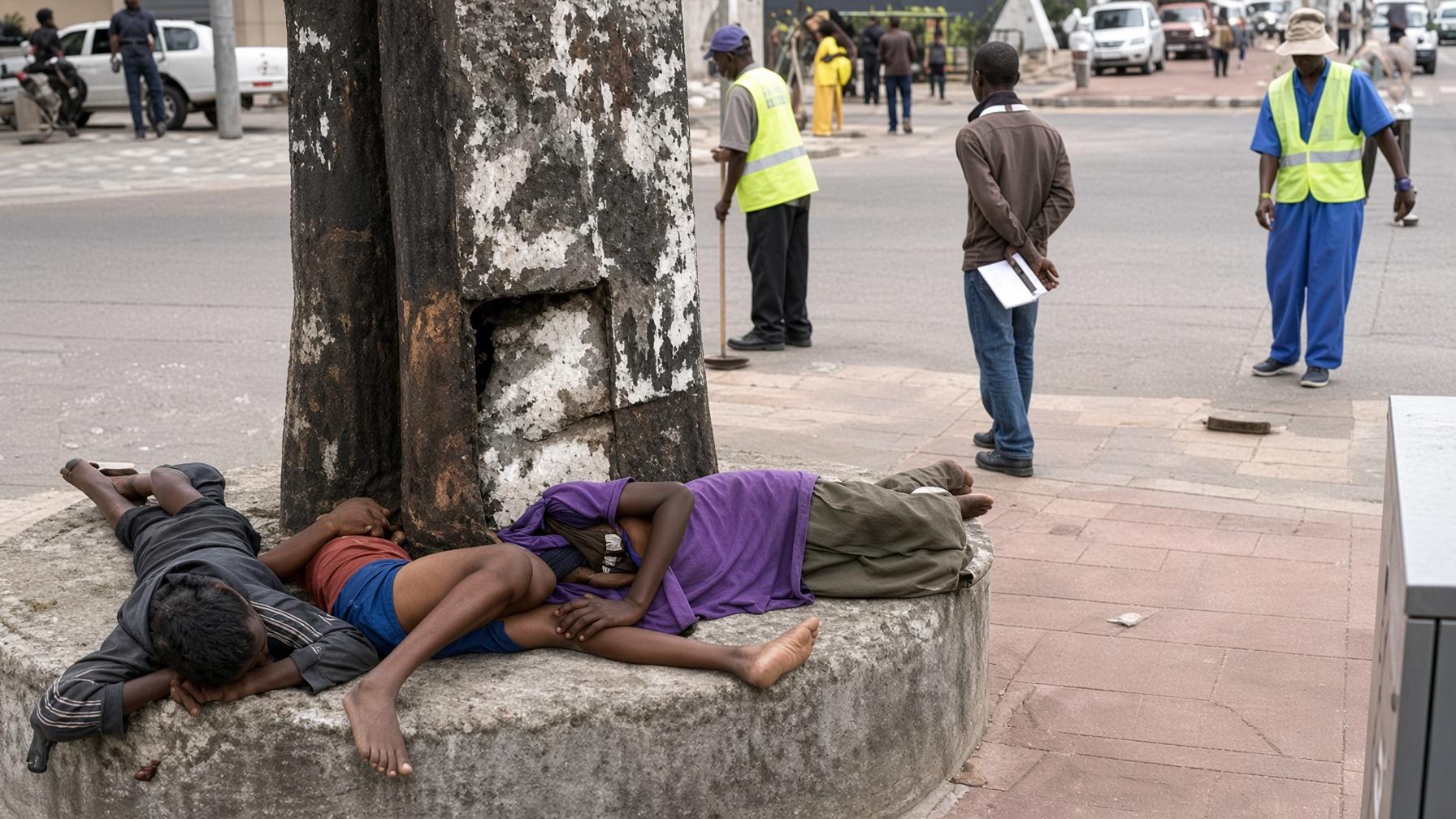
Beyond political speeches, a central question remains: what do Congolese youth, who make up the majority of the population, think? Historic opportunity to rebuild the nation or a distraction from urgent social and security challenges? In Kinshasa, several young people express contrasting views. Some see this reform project as a chance to rethink the country’s institutional foundations. Others, however, question the timing and government priorities amid persistent economic and security difficulties.
Katumbi raises the tone: ‘a red line’
‘The constitution is not a shirt that you change at will’: opposition figure Moïse Katumbi responded in these terms to the constitutional reform project. For him, the government is crossing a red line.
Protests, national dialogue, governance, and the country’s political future: in a recent interview, Moïse Katumbi answered without hesitation and directly challenged President Félix Tshisekedi on his intentions and the consequences of such a project for Congolese democracy.
A judicial offensive announced by the C64 coalition
On June 9 in Kinshasa, the C64 coalition, which brings together several opposition parties – including Katumbi’s – plans to file a complaint against Félix Tshisekedi. It accuses the head of state of attempting to seize power by force. This initiative marks a new step in the escalation of political tensions, while the atmosphere is already highly charged.
Asked about this approach, legal expert Jonas Ngalamulume tempers its impact. According to him, it is above all a symbolic act. While he recognizes that this complaint is part of the opposition’s political strategy, he notes that its concrete legal effects may be limited. Nevertheless, it helps fuel public debate and increase pressure on institutions.
As positions harden on both sides, the question of constitutional reform now goes beyond mere legal framework to become a major political issue. Between ambitions for reform and accusations of authoritarian drift, the institutional future of the DRC remains contingent on upcoming decisions and the reactions of the population.