Mariama Hamani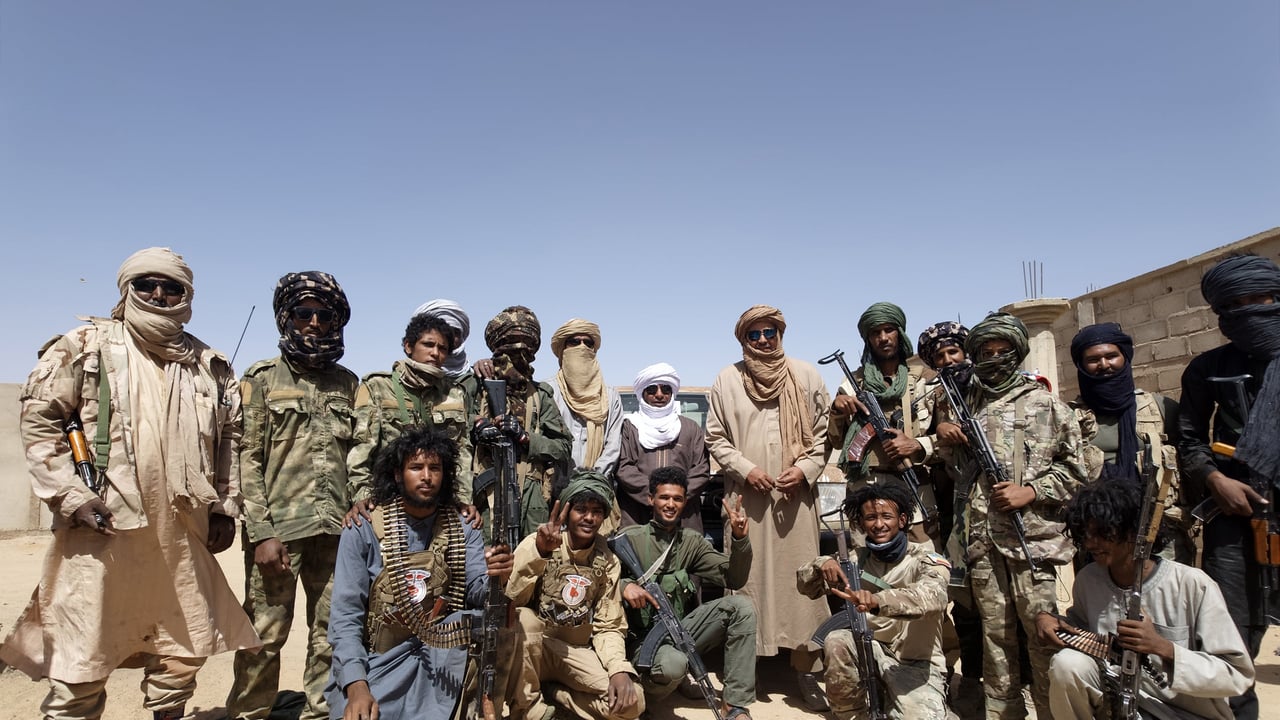

The city of Kidal in northern Mali remains a hotspot of resistance and instability, defying both military campaigns and diplomatic efforts to restore peace. Recent observations reveal a landscape where armed confrontations continue to shape daily life, despite the broader challenges facing the nation.
An atmosphere of persistent tension
Kidal’s streets echo with the realities of ongoing conflict. The city, often described as a rebel stronghold, has become a symbol of the broader struggles in the Sahel region. The presence of armed groups, including those aligned with the Group for the Support of Islam and Muslims (JNIM), underscores the complexity of the security situation.
The role of local leaders
Key figures, such as Alghabass Ag Intalla, head of the Azawad Liberation Front (FLA), play a pivotal role in the region’s dynamics. His influence extends beyond military engagements, shaping political narratives and local governance. The interplay between armed factions and civil authorities adds another layer of intricacy to the crisis.
Navigating a fragmented landscape
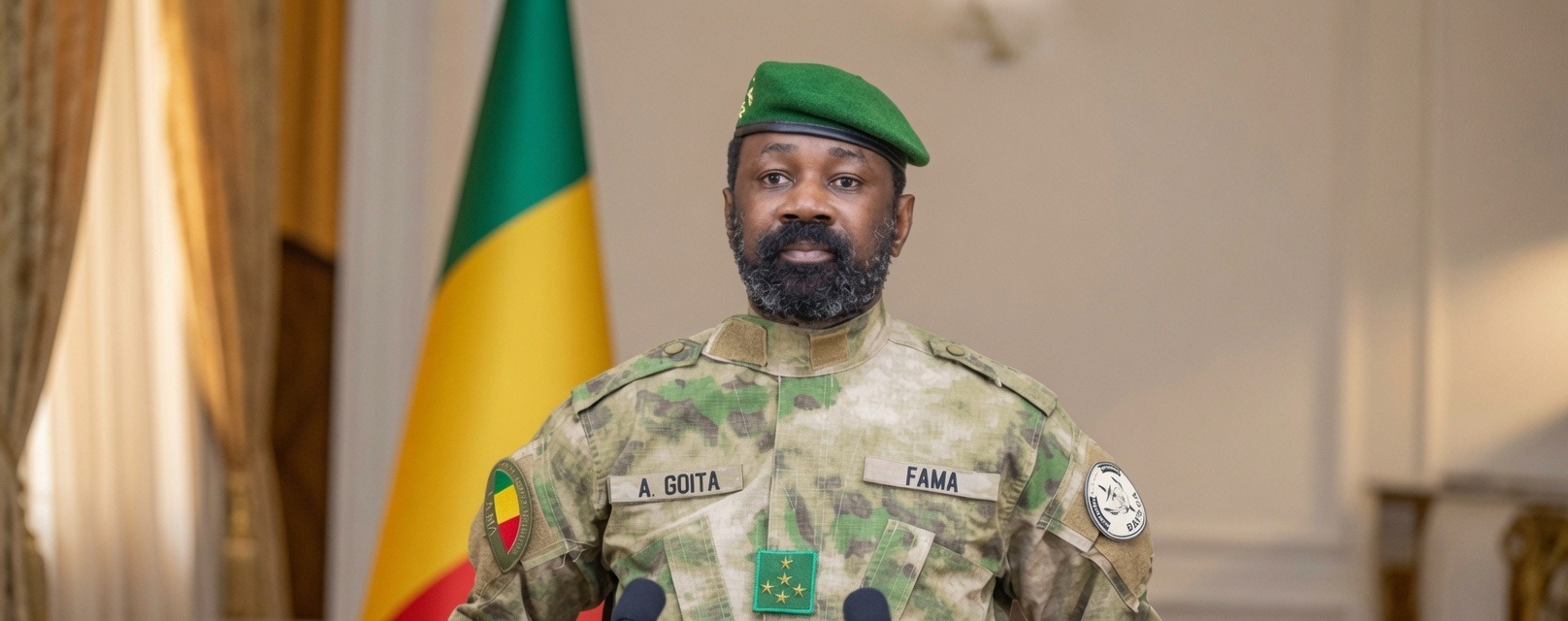
The conflict in Kidal is not isolated; it reflects deeper regional fractures. The Malian transitional authorities, led by figures like Assimi Goïta, face immense pressure to stabilize the area. However, the entrenched presence of militant groups complicates these efforts, creating a cycle of violence that seems difficult to break.
Residents navigate this precarious environment, where alliances shift and survival often depends on adaptability. The humanitarian toll remains significant, with displaced communities and disrupted services exacerbating an already fragile situation.
International implications
The situation in Kidal also draws attention from regional and international actors. The ongoing instability poses risks not only to Mali but also to neighboring countries grappling with similar security challenges. Collaborative efforts are essential, yet the path to lasting peace remains elusive.
As the conflict persists, the people of Kidal endure a reality marked by uncertainty and resilience. The journey toward stability demands a multifaceted approach, one that addresses the root causes of the crisis while fostering dialogue and cooperation.

 Boureima Amadou