
 Mariama Hamani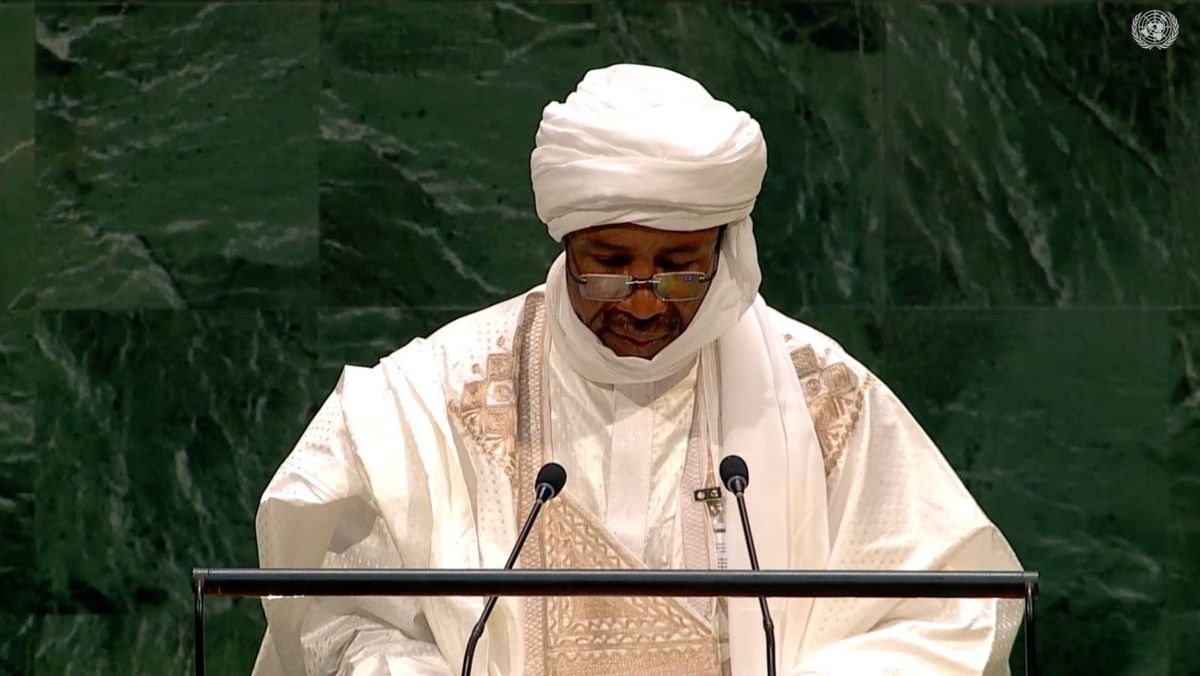
Chad’s UN warning on Ennedi-East airstrikes: the real costs for citizens and regional trade
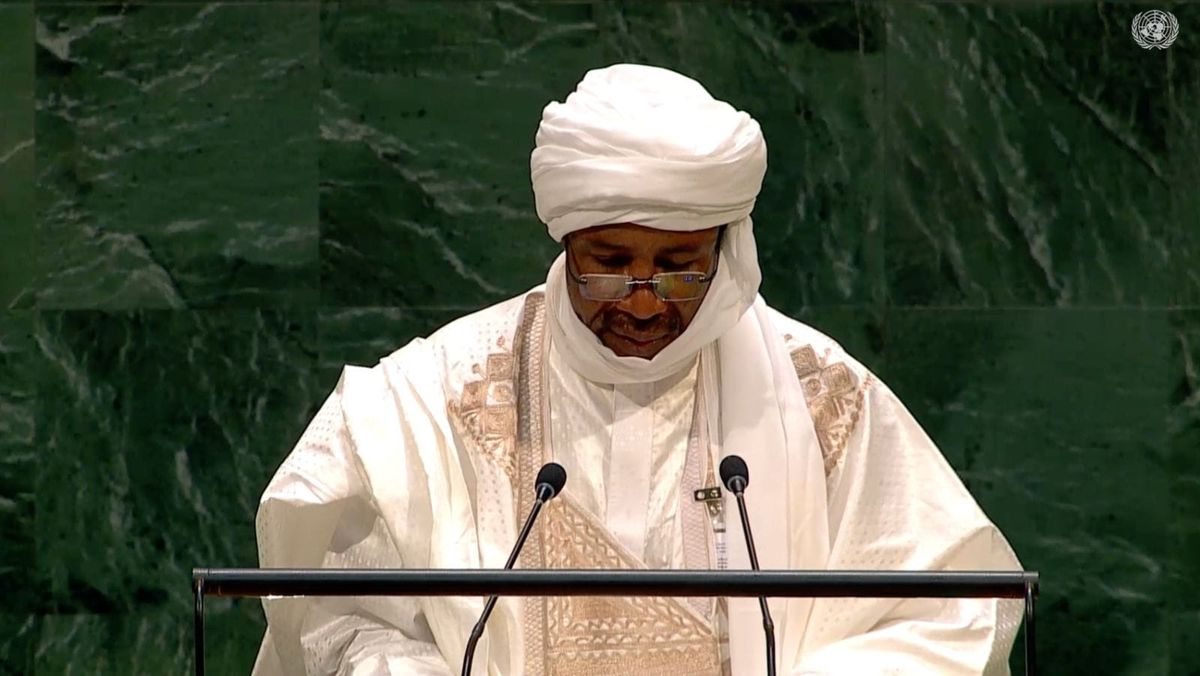
When Chad’s health minister took the podium at the 81st UN General Assembly, he delivered a message that goes far beyond diplomacy: repeated airstrikes in Ennedi-East are already reshaping daily life for border communities, disrupting trade routes, and testing the economic resilience of a country hosting more than two million displaced people.
A warning with measurable consequences
Speaking before the 81st United Nations General Assembly, Chad’s delegation did more than restate its commitment to regional stability. In a speech read by Dr. Abdelmadjid Abdelrahim Mahamat, Minister of Public Health and Prevention, on behalf of President Mahamat Idriss Déby Itno, the government outlined how a single security breach can ripple through an entire economy—and why the recent airstrikes in Ennedi-East have become a test case for how the international community responds to violations of sovereign territory.
Lake Chad, climate finance, and the price of neglect
At the heart of Chad’s address was a stark message about the Lake Chad basin, a region where environmental stress and insecurity feed on each other. The minister urged developed nations to make good on their financial pledges for climate adaptation and resilience, warning that delays translate into lost livelihoods, displacement, and a heavier burden on already strained local economies. For ordinary citizens, the consequences are tangible: erratic rainfall, shrinking grazing land, and fewer opportunities to earn a living.
Peacekeeping commitments and the cost of hosting the displaced
Chad also used the platform to highlight its military contributions to international peace operations, including the deployment of 1,500 soldiers to Haiti under a Security Council-authorized force. Yet the most pressing economic and social impact lies closer to home. The country continues to shelter more than two million displaced people, among them over a million Sudanese refugees who have crossed the border since the conflict erupted in April 2023. This influx strains food supplies, housing, health services, and local labor markets—an impact felt not only in camps but in towns and villages across eastern Chad.
Ennedi-East airstrikes: a red line with real-world fallout
While reaffirming strict neutrality in the Sudanese conflict and backing peace initiatives, Chad’s government issued a clear condemnation of recent airstrikes in the Ennedi-East province. It described the strikes as an unacceptable violation of its territorial integrity and reserved the right to retaliate if they recur. The implication for citizens and businesses is direct: any escalation could disrupt cross-border trade, displace more families, and divert scarce resources toward security rather than development.
Global solidarity and the push for multilateral reform
Chad’s address also touched on broader international issues, rejecting acts of aggression against sovereign states—from Iran to the Gulf, Gaza, and Cuba—while reiterating support for a two-state solution in the Middle East and calling for deep reform of multilateral institutions. For a country on the front lines of multiple crises, these positions are not abstract: they reflect a belief that a stronger, fairer international system is the best guarantee against the kind of violations that destabilize economies and endanger citizens.


 Boureima Amadou





