Boureima Amadou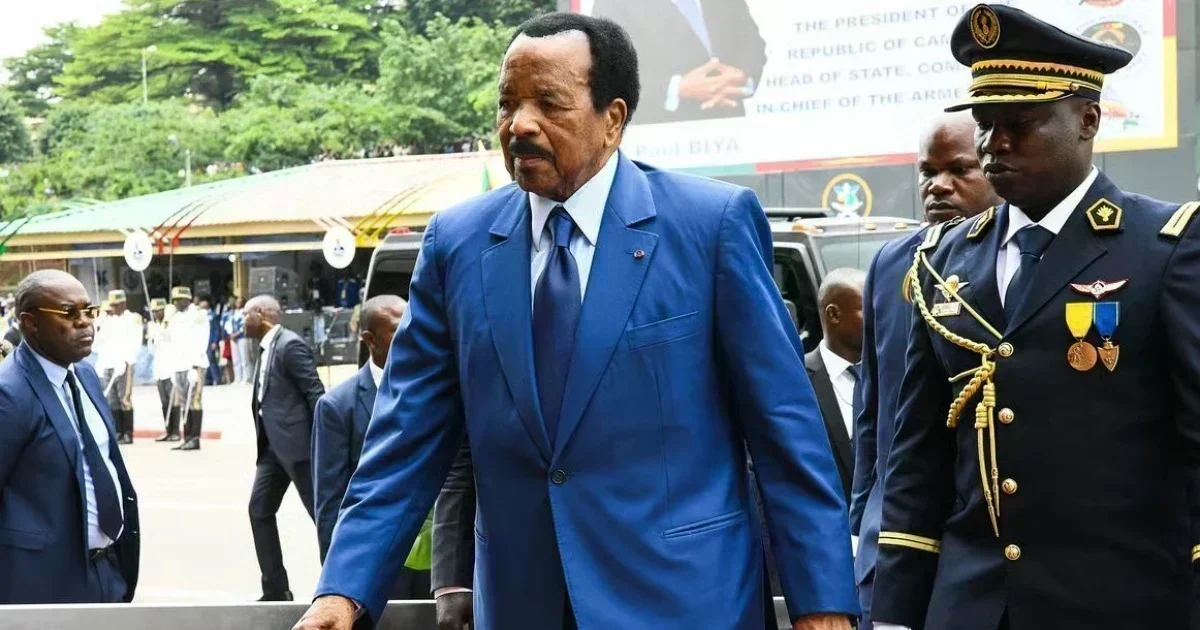
Cameroon’s defence landscape has undergone significant reshuffling as President Paul Biya remains overseas for an extended period, fuelling speculation about the country’s governance stability. A presidential decree signed on August 3rd formalised the appointment of four high-ranking military officers, including a new commander for the presidential guard—a role traditionally reserved for senior officers.
The reshuffle sees General Raymond Jean Charles Beko’o Abondo take charge of the presidential guard, marking a departure from past practices where this critical security role was often filled by lower-ranking officers. Additionally, Major-General Ebaka Hypolite, aged 73, has been named as the new Major-General of the Armed Forces, while retaining his position as Major-General of the Land Army.
Strengthening the security framework
The president’s absence, now stretching beyond two months since his departure on June 7th for what was described as a private stay in Europe, has prompted a strategic reinforcement of Cameroon’s security apparatus. The decree places four generals in key protective roles, ensuring an unprecedented layer of oversight for the head of state’s security.
Major-General Ebaka now ranks second in the military hierarchy, directly beneath General René Claude Meka, the Chief of Staff of the Armed Forces. This restructuring signals President Biya’s intent to maintain tight control over the defence establishment during his absence.
Concerns over presidential absence
The prolonged absence of Africa’s longest-serving leader—President Biya, now 93 years old and in power since 1982—has sparked intense debate. While the government has dismissed concerns about his health, assuring the public of his imminent return, opposition figures warn of a leadership vacuum and describe the country as operating in “autopilot mode.”
Critics point to the delayed formation of a new government and the long-awaited appointment of a vice-president, both of which remain pending. The opposition has accused the administration of institutional paralysis, further amplifying anxieties about the nation’s political direction.
Military appointments under scrutiny
The timing of these military promotions has raised questions about their underlying motives. By elevating trusted officers to pivotal security roles, President Biya appears to be securing his inner circle during a period of heightened uncertainty. The appointments also reflect a broader trend of consolidating power within the defence sector, a strategy often employed by leaders facing prolonged absences from office.