Mariama Hamani
Major military reshuffle in Cameroon as President Biya acts from abroad
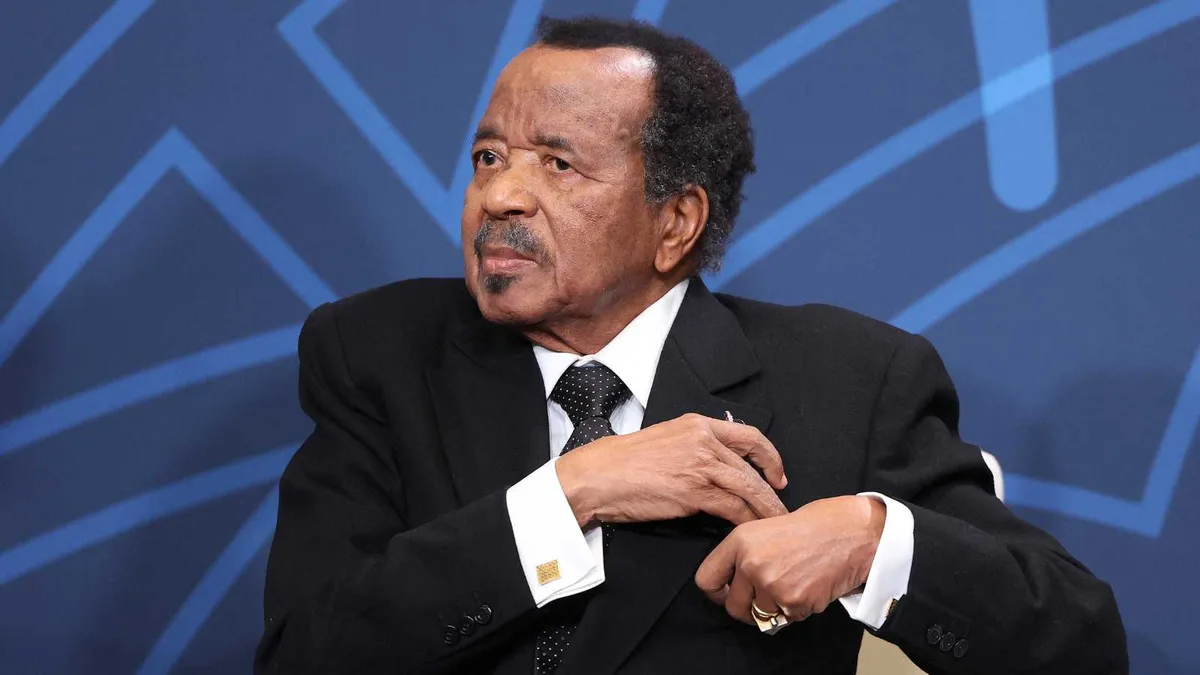
Cameroon has witnessed a sweeping overhaul of its military leadership, with President Paul Biya approving multiple decrees from abroad that reshuffle key positions within the Armed Forces. These changes include the appointment of five new brigadier generals, a new Chief of Staff for the armed forces, and the reassignment of several territorial and strategic unit commanders, including the Presidential Guard.
The leadership transition marks a significant moment in the country’s security apparatus. Raymond Jean Charles Beko’o Abondo has been elevated to brigadier general while retaining his role as head of the Presidential Guard, a position he has held for over a decade. Security analysts highlight this as a historic first since the elite unit’s establishment in 1985, signaling President Biya’s unwavering confidence in his leadership.
In another major development, General of Division Ebaka Hippolyte has been named Chief of Staff of the armed forces, succeeding his predecessor who has been placed in the second section. Additionally, six new regional commanders have been installed across four of Cameroon’s five inter-service military regions, with particular focus on areas facing the most pressing security challenges—from the Far North, where Boko Haram remains active, to the restive Anglophone regions of the Southwest.
Beyond their military significance, these appointments carry substantial political implications. They underscore President Biya’s continued control over governance despite his prolonged absence from the country. However, critics, including the Movement for the Rebirth of Cameroon (MRC) led by Maurice Kamto, argue that these changes do little to address concerns about the transparency of power and call for the formation of the government the President pledged to establish back in December 2025.
Military leadership under scrutiny
The reshuffle comes at a time of heightened security concerns, with Cameroon grappling with insurgencies and separatist movements. The reassignment of commanders in critical regions reflects a strategic effort to reinforce control and adapt to evolving threats. Meanwhile, the opposition continues to question the effectiveness of these measures, emphasizing the need for clearer communication and accountability in leadership decisions.


 Boureima Amadou