Mariama Hamani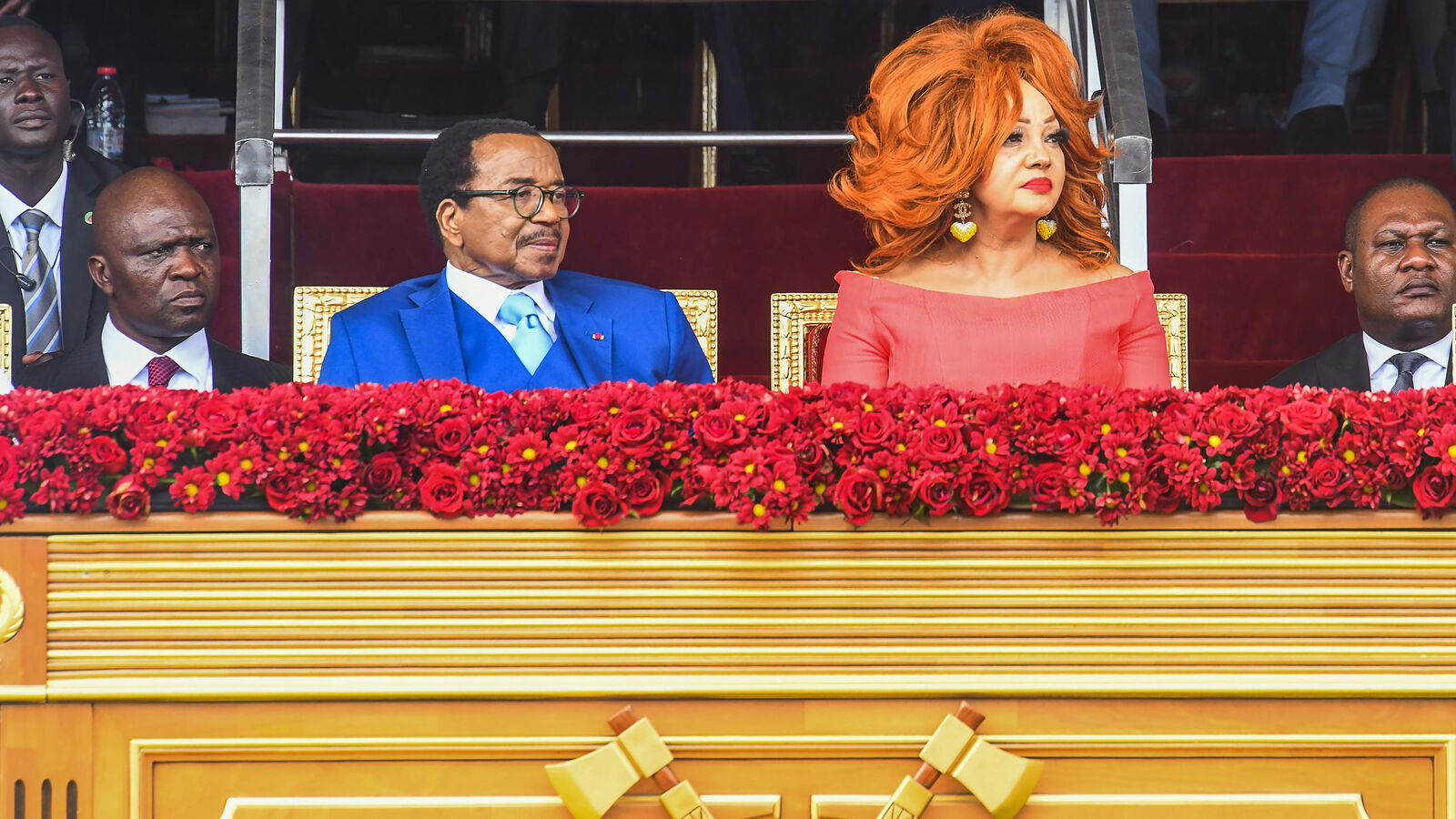
For over sixty-five consecutive days, President Paul Biya of Cameroon has been away from his nation, raising significant questions about the state of governance in the country. Since June 7, the 89-year-old leader has been in Switzerland, where he reportedly sought medical attention following a health incident during a national unity celebration in Yaoundé.
His prolonged absence has sparked intense debate, with many questioning whether the presidency can effectively function from a distance. The absence, now the longest in his 44-year tenure, has left a void that has not gone unnoticed by both citizens and political observers.
The mystery of Geneva’s role in Cameroon’s affairs
Rumors and skepticism have begun to circulate about the Cameroonian government’s ability to operate without the president’s physical presence. With no public appearances or clear communication about his condition, speculation has intensified. Some citizens have even questioned whether Paul Biya is still alive, underscoring the deep uncertainty gripping the nation.
Despite government assurances that the administration is functioning normally, the reality of running a country from abroad—especially one facing complex challenges—remains a subject of intense scrutiny. The absence has also fueled discussions about the potential implications for political stability and the future of leadership in Cameroon.
Government reassurances meet public skepticism
The Cameroonian government has repeatedly stated that the presidency continues to issue decrees and directives from Switzerland, emphasizing that the administration is fully operational. However, the lack of transparency regarding the president’s health and the absence of public engagements have done little to quell public anxiety.
Critics argue that the prolonged absence underscores deeper issues within the country’s leadership structure. The silence surrounding the president’s condition has only deepened concerns, leaving many to wonder about the future trajectory of governance in Cameroon.
What’s next for Cameroon’s leadership?
As the days pass, the situation remains fluid, with no clear resolution in sight. The absence of Paul Biya has not only created a leadership vacuum but has also highlighted the fragility of institutional continuity in the face of prolonged absences by a head of state. For a nation accustomed to decades of centralized leadership, the current scenario presents unprecedented challenges.
The coming weeks will likely bring further developments as both domestic and international observers closely monitor the situation. Whether Cameroon can navigate this period of uncertainty without its long-standing leader at the helm remains an open question.


 Boureima Amadou