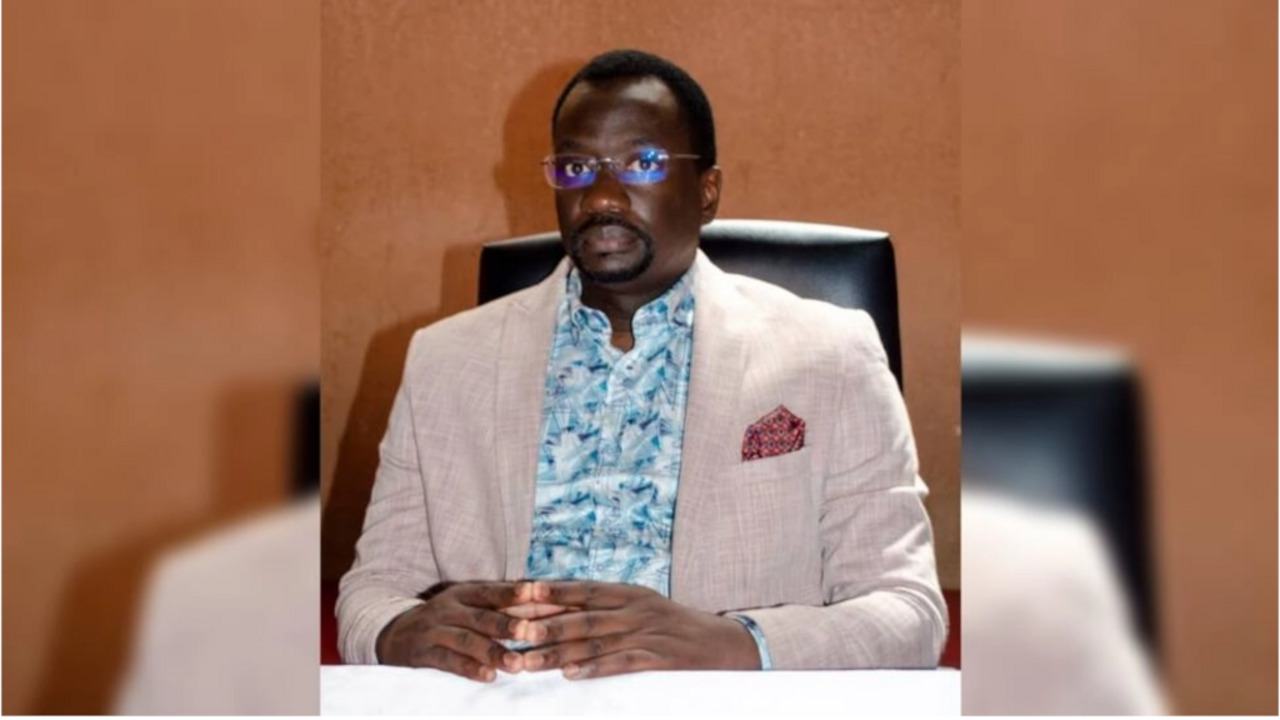
Boureima Amadou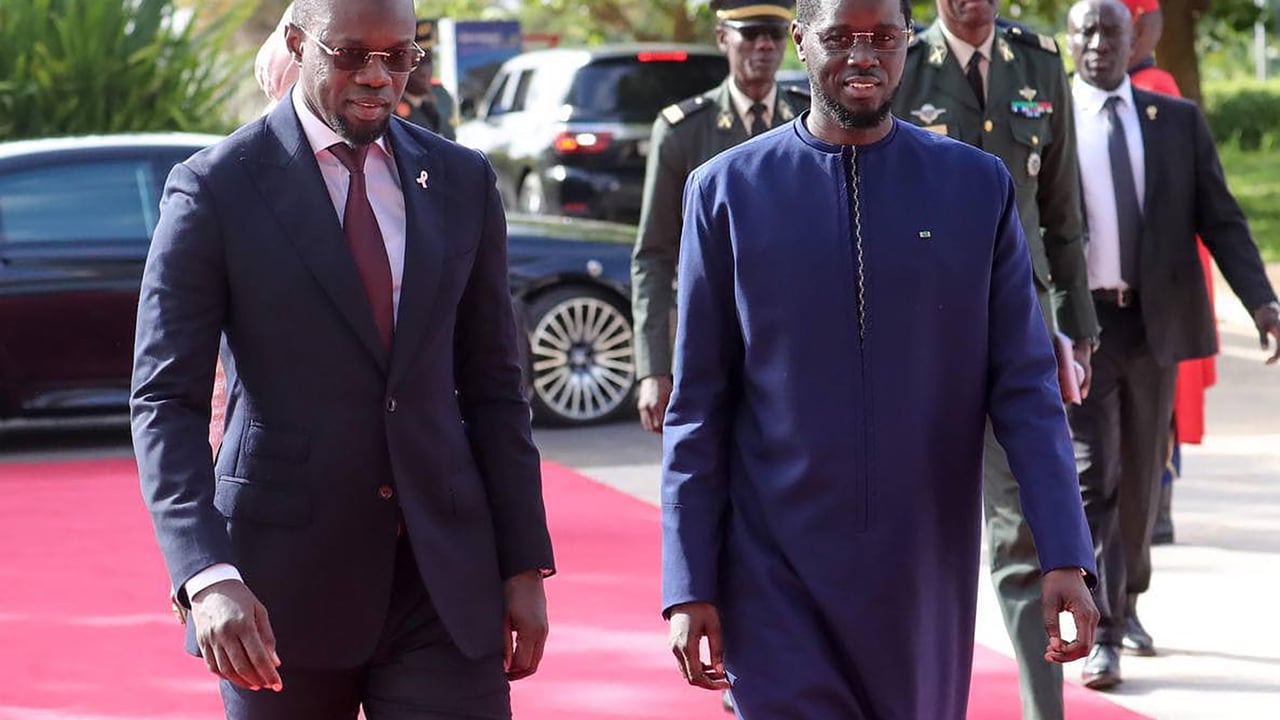

Senegal finds itself at the center of a fresh political storm as differing views on the management of public heritage clash between President Bassirou Diomaye Faye and Prime Minister Ousmane Sonko. The disagreement has sparked intense debates about the preservation of national assets and the future direction of the country’s cultural and historical legacy.
The dispute centers on a critical question: Who holds the authority to oversee and safeguard Senegal’s priceless heritage sites? While the President emphasizes transparency and community involvement, the Prime Minister advocates for a centralized approach under government control. This ideological divide has exacerbated tensions within the ruling coalition, raising concerns about governance and stability in the West African nation.
Roots of the conflict
The origins of this confrontation trace back to the early months of the Faye administration, when initial policies on heritage management were introduced. Prime Minister Sonko, known for his assertive leadership style, quickly pushed for stricter regulations to prevent what he described as the “exploitation and mismanagement” of Senegal’s cultural treasures. Meanwhile, President Faye has maintained a more cautious stance, prioritizing dialogue with local stakeholders and traditional leaders.
The friction reached a boiling point when the Prime Minister announced plans to re-evaluate several heritage sites, a move met with resistance by the President’s office. Analysts warn that this power struggle could undermine public trust in the government’s ability to handle national resources responsibly.
Impact on national unity
As the debate intensifies, ordinary citizens are caught in the crossfire. Cultural preservation is not just a political issue in Senegal—it is deeply tied to national identity. The conflict risks polarizing communities, particularly those with strong ties to historical landmarks and traditions. Leaders on both sides are under pressure to find common ground before the divide deepens.
Public reaction has been mixed. Some support the Prime Minister’s call for stricter controls, arguing that it will protect Senegal’s heritage from external exploitation. Others back the President’s inclusive approach, warning that centralization could sideline local voices and erode democratic values.
What’s next for Senegal’s heritage?
The outcome of this standoff will shape the future of Senegal’s cultural landscape. Will the country adopt a unified strategy under centralized governance, or will it embrace a collaborative model that empowers local communities? The answer remains uncertain, but one thing is clear: the decisions made today will have lasting consequences for generations to come.
For now, Senegal’s leadership must navigate this delicate balance—or risk leaving behind more than just a legacy of division.