Mariama Hamani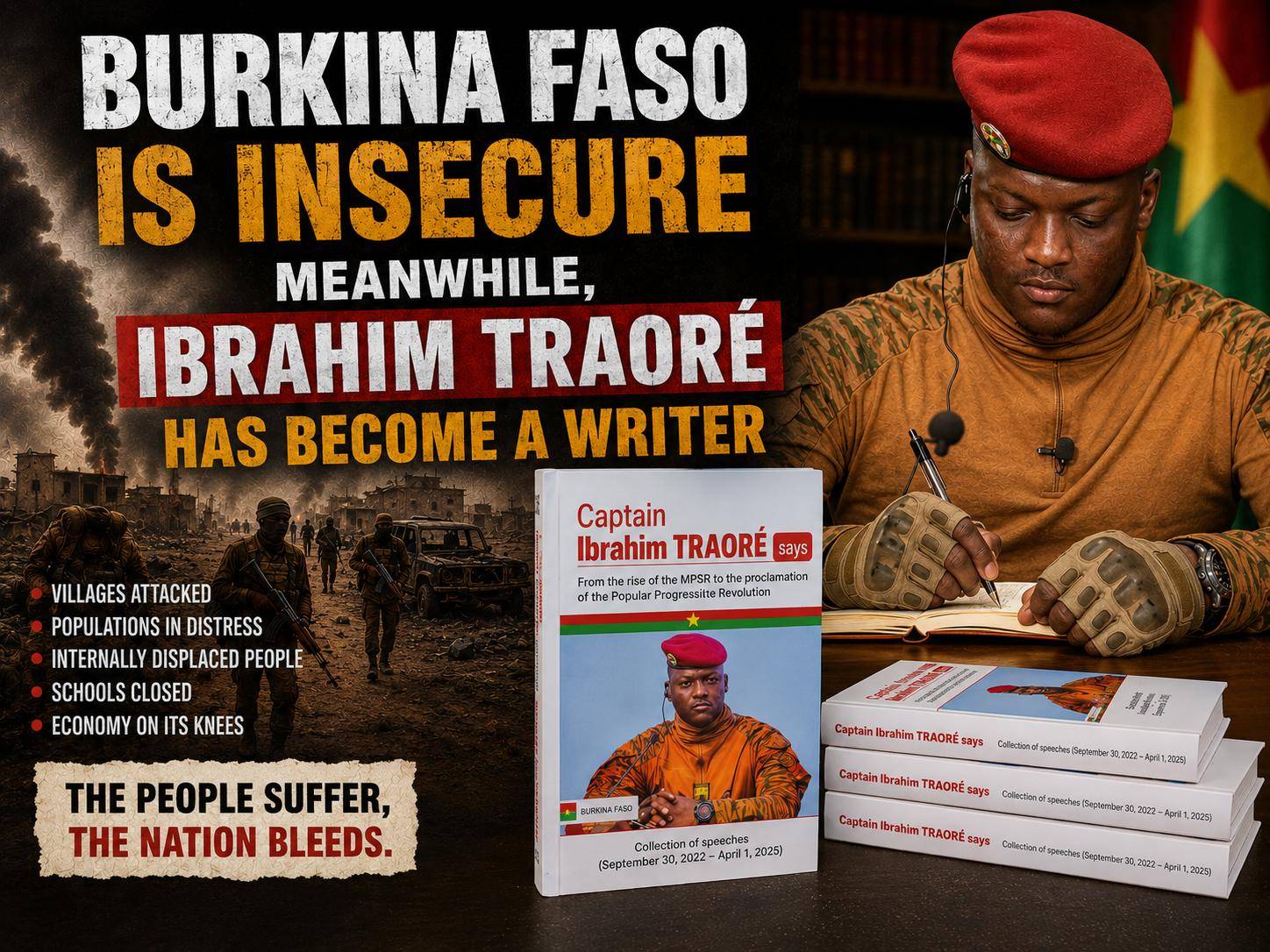
Within Burkina Faso, a nation gripped by an unprecedented humanitarian and security crisis, the priorities of the transitional leadership have come under intense scrutiny. The stark contrast between official narratives and ground realities has never been more pronounced.
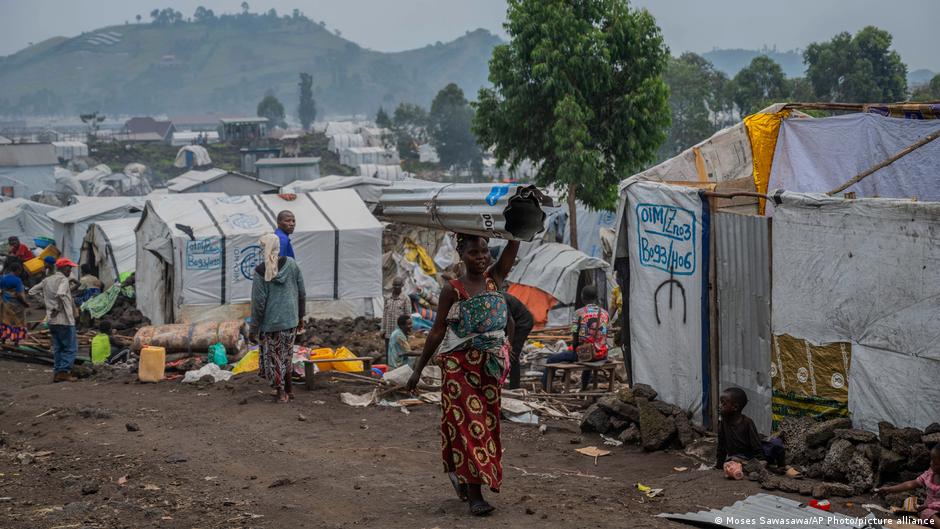
The nation’s capital, Ouagadougou, and its most remote provinces alike are plagued by relentless terrorist attacks, besieged communities, and a growing tide of internally displaced persons. These citizens, enduring hunger and hardship, plead not for books or propaganda but for the restoration of peace and territorial integrity. Yet, against this backdrop of suffering, the halls of power resonate with the promotion of a newly released volume—allegedly authored by or dedicated to Captain Ibrahim Traoré—raising profound questions about the regime’s priorities.
Words over action: a leadership out of touch
The timing of this literary endeavor could not be more jarring. As reports emerge of Defense and Security Forces (FDS) and Volunteers for the Homeland (VDP) struggling with critical logistical shortages on the front lines, the allocation of resources toward state-sponsored literature appears not only misplaced but deeply disconnected. Security cannot be achieved with ink on paper, nor can lives be safeguarded through glossy cover slogans.
A civil society activist, speaking on condition of anonymity, articulated the sentiment shared by many: « The people do not need stories—they need their homeland returned to them. » This sentiment underscores a growing disillusionment with a leadership that appears more invested in crafting its legacy than in addressing the immediate needs of its people.
A broken social contract
When Captain Ibrahim Traoré assumed leadership, he did so under a tacit social contract with the Burkinabè people: to restore territorial integrity and deliver the peace that previous administrations failed to secure. The trust placed in him was contingent solely on his ability to fulfill this military and security imperative.
Today, however, the narrative has overshadowed action. By redirecting state apparatus toward personality cults and political marketing, the regime risks squandering the last vestiges of public goodwill. The patience of a weary population is wearing thin, and the demand for accountability has grown increasingly urgent. If the fundamental task of securing the nation cannot be achieved, the call for change will only grow louder.
What lies ahead for Burkina Faso’s transition?
The transitional government now stands at a critical juncture. Persisting in treating the presidency as a vehicle for propaganda rather than a platform for decisive action will only deepen the rift between the state and its citizens.
Burkina Faso does not need a leader who crafts speeches or publishes books—it requires a strategic commander capable of restoring stability. Should Captain Traoré fail to refocus his efforts on the sole priority that matters—security—the annals of history may record his tenure as a chapter written in illusion, while the nation continued to burn.


 Boureima Amadou