Mariama Hamani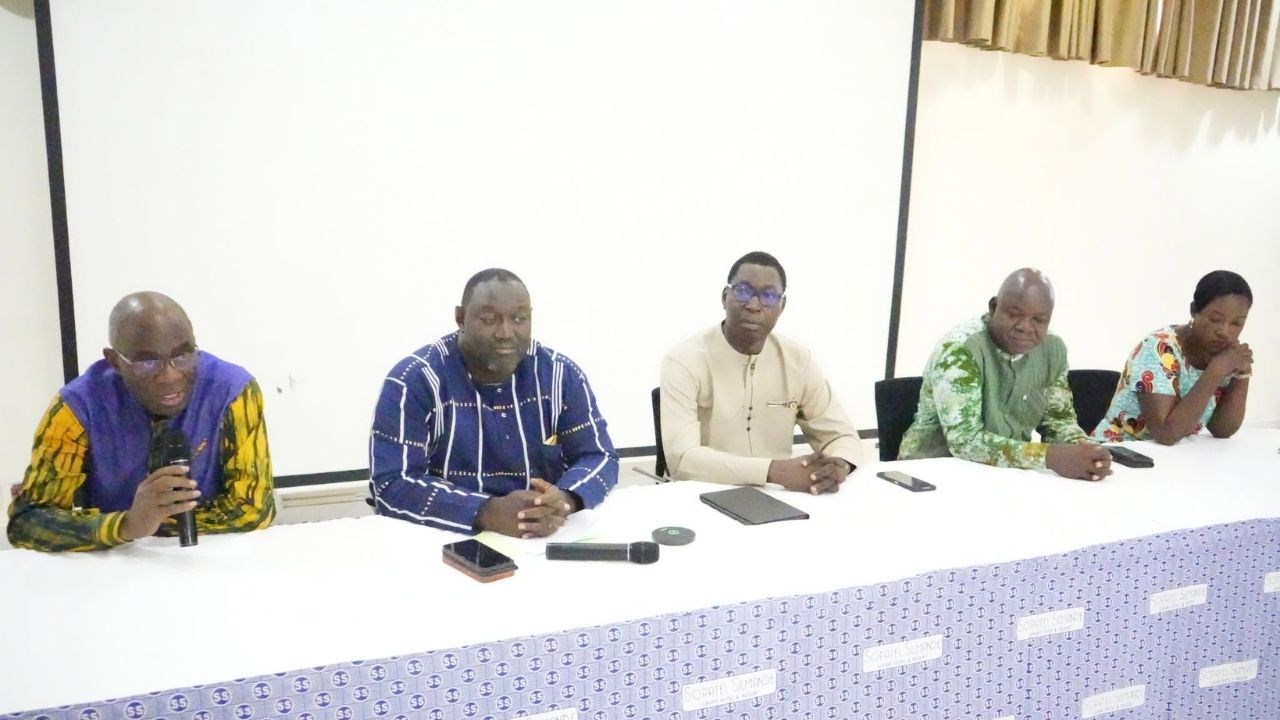

In Ouagadougou, stakeholders from Burkina Faso’s aquaculture sector validated and unveiled a set of strategic documents on 8 June, designed to provide long-term guidance and structure for the industry’s growth. The approved documents include a sector diagnosis, an investment roadmap, and an operational guide, all developed to steer both public policy and private investment in aquaculture.
This initiative is part of the regional Sahel RESILAND programme, which aims to bolster the resilience of Sahelian landscapes and the communities that rely on them. The programme focuses on sustainable land and water resource management, restoration of degraded ecosystems, and diversification of rural economic activities, with the ultimate goals of creating jobs and improving living conditions for local populations.
At the heart of this architecture, the knowledge pillar plays a decisive role. It is designed to inform public decision-making, shape future interventions, and promote solutions adapted to local realities. Within this framework, the Africa Sustainable Aquaculture initiative operates, covering several Sahel countries including Burkina Faso, Mali, Niger, and Chad. Its objective is to produce in-depth national diagnostics and define coherent investment trajectories for sustainable development of the aquaculture sector.
The work carried out has produced an updated status of Burkina Faso’s aquaculture industry, highlighting both its potential and structural constraints. The process also led to the creation of an investment path identifying strategic priorities, funding needs, and implementation mechanisms, as well as a guide to support public and private project developers in their initiatives.
Chairing the meeting, Issiaka Zouri, Director of Studies at the General Secretariat of the Ministry of Agriculture, Water, and Animal and Fishery Resources, praised the involvement of all stakeholders who contributed to these achievements. He emphasised the coherence of this approach with national ambitions for developing animal and fishery production, particularly within the framework of the Agricultural, Livestock, and Fisheries Offensive.
According to him, Burkina Faso possesses significant assets, including substantial water resources and a fisheries potential that remains underutilised. In this context, effective implementation of the guidelines resulting from this work should help further structure the sector, boost national fish production, improve food and nutritional security, while opening new economic opportunities for youth and women.

 Boureima Amadou