Mariama Hamani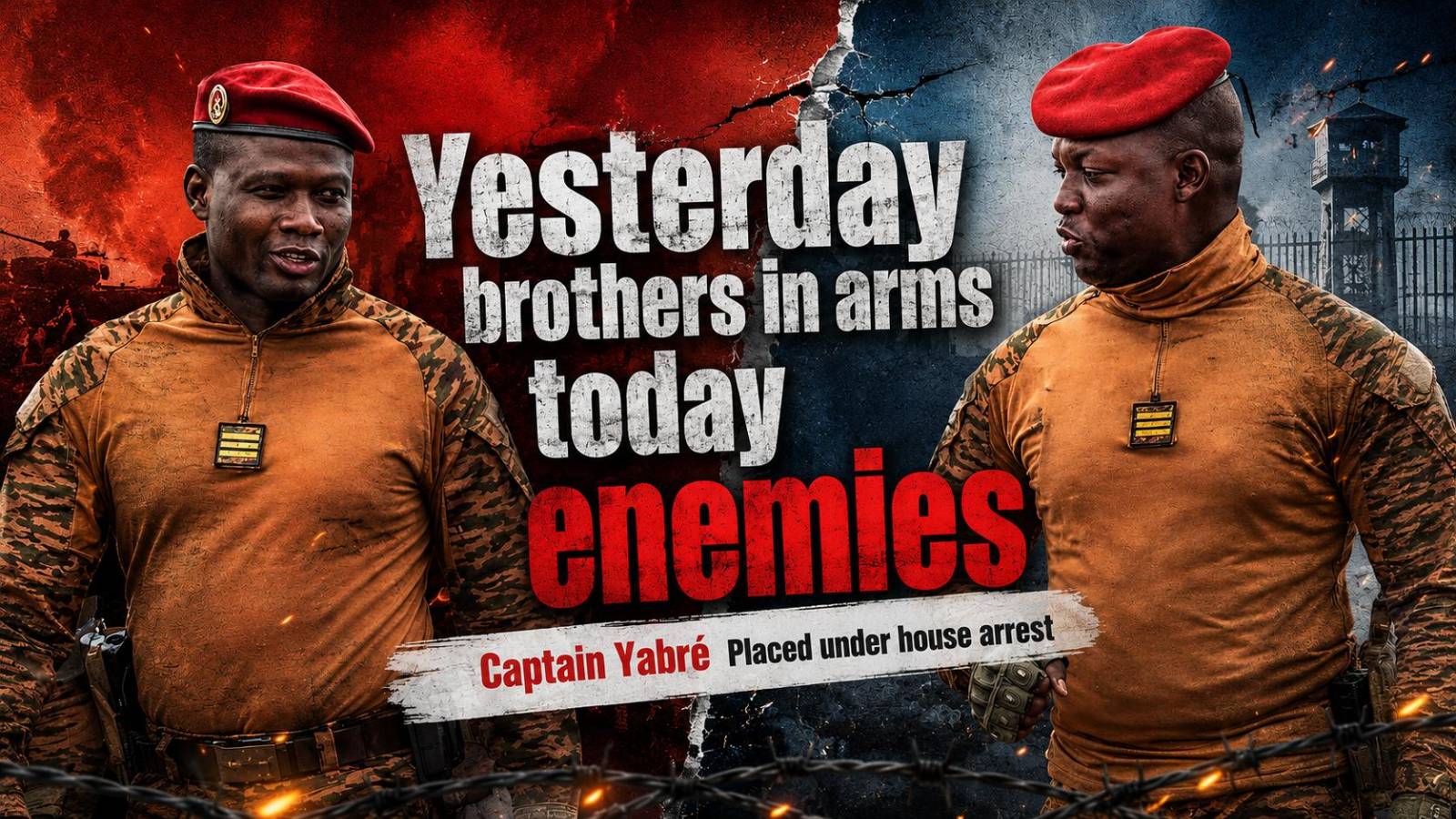
The transitional administration in Burkina Faso, helmed by Captain Ibrahim Traoré, appears to have reached a critical juncture. Once celebrated by his supporters as a transformative figure, the junta leader is increasingly steering towards an authoritarian style of governance that no longer tolerates any form of dissent, whether emanating from civil society, religious institutions, or even his closest military advisors. In Ouagadougou, a palpable tension permeates the air, with recent events during the Tabaski festivities raising concerns about an imminent internal collapse of authority.
tabaski under intense scrutiny: places of worship and escalating repression
The observance of Tabaski, traditionally a period of communal harmony and peace, starkly illuminated the profound instability of the incumbent administration.
- Detention of an imam: The arrest of a respected religious leader during this sacred week sent shockwaves through an already beleaguered populace. This action, widely perceived as an assault on fundamental freedoms of conscience, underscores the regime’s willingness to target the nation’s moral pillars in its efforts to stifle criticism.
- Compulsory enrollment and ‘reorientation’: Concurrently, demonstrators and dissenting voices apprehended in recent days have been forcibly transferred to re-education facilities and deployed to combat zones. This militarization of punitive measures confirms the transformation of the state machinery into a tool of unadulterated repression.
Analytical observation: For many observers across the sub-region, the Ouagadougou administration seems to have become divorced from political pragmatism. The intricate management of a modern state has been reduced to the strictures of a military encampment, where nuance is equated with disloyalty, and a singular individual dictates to a retinue of subservient officials expected to comply without question.
summit alert: the oumarou yabré situation and the fractured intelligence apparatus
The information currently circulating among diplomatic circles and security networks is significant: Oumarou Yabré, the influential director of the National Intelligence Agency (ANR), has reportedly been placed under house arrest. While official channels maintain a conspicuous silence, multiple corroborating reports indicate a definitive schism within the state apparatus. On one side stands Captain Ibrahim Traoré, in his capacity as Head of State and President of the Transition, demonstrating an unwavering drive for absolute power centralization, coupled with pervasive distrust towards his contemporaries. On the other, Oumarou Yabré, the ANR Director, is now suspected of harboring dissenting ambitions or, at the very least, expressing profound disagreements regarding security strategy and the escalating influence of external partners.
This internal cleansing reveals the extent of paranoia at the junta’s pinnacle. By targeting his own companions-in-arms and early supporters—those who were instrumental in consolidating his security architecture and facilitating the entrenchment of Russian influence networks in Burkina Faso—Ibrahim Traoré inadvertently erodes his own protective framework.
towards a potential power struggle within the junta’s core?
This impending confrontation between two prominent architects of Burkina Faso’s security apparatus comes as no surprise to analysts, who have anticipated frictions for months. The contention for control over the state machinery, combined with the unrelenting pressure from armed terrorist factions on the ground, creates an explosive cocktail in Ouagadougou.
By alienating the populace, religious authorities, and now his closest military confederates, Captain Traoré is isolating himself dangerously. The historical trajectory of coups d’état in West Africa invariably demonstrates that an administration that governs solely through intimidation and purges its own ranks inevitably hastens its demise. The tension escalates significantly in Ouagadougou, and the upcoming days are poised to be pivotal for the future of the nation.

 Boureima Amadou