Boureima Amadou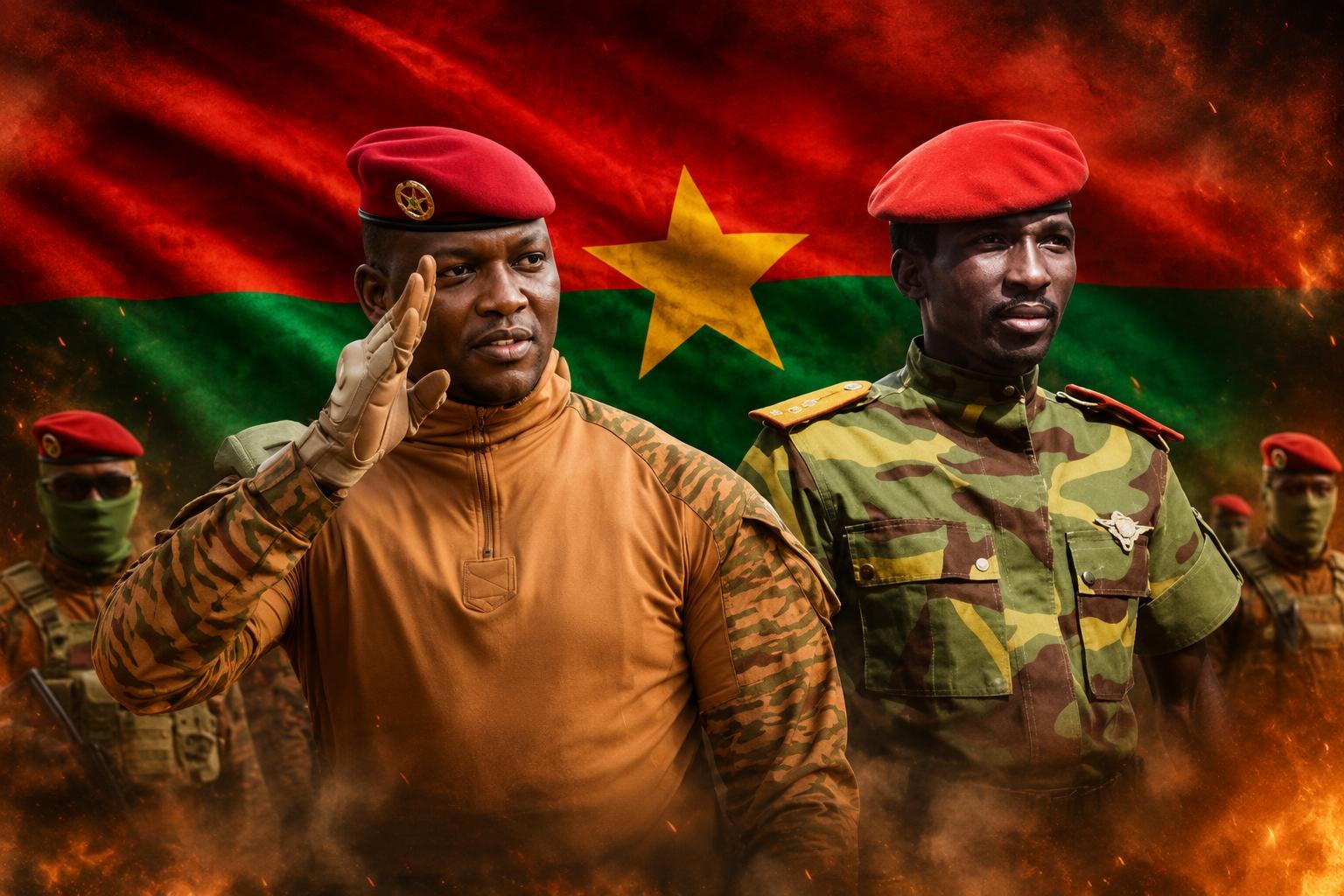
The Burkina Faso government has taken a decisive step in its ideological restructuring by mandating all public administrations to adopt the term ‘comrade’ when addressing citizens and service users, effective June 1st.
Symbolic and ideological transformation
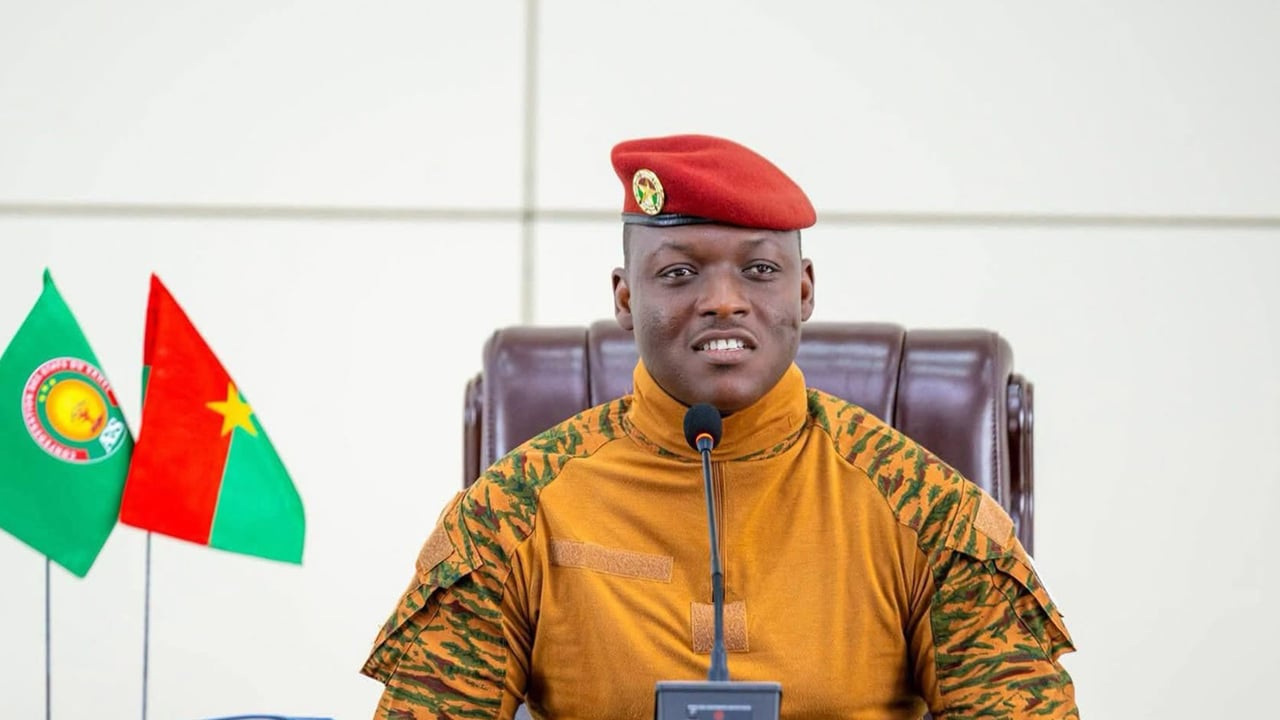
This policy marks a deliberate departure from the conventional use of ‘Monsieur’ and ‘Madame’, positioning it as more than a linguistic shift. The transitional authorities, led by Captain Ibrahim Traoré, frame this directive as a means to eradicate colonial-era administrative hierarchies and foster an environment of absolute equality between state officials and the populace.
The objectives underpinning this decision are threefold:
- Eliminating hierarchies: Removing traditional protocol barriers to create a closer, more egalitarian relationship between public servants and citizens.
- Strengthening national unity: Encouraging a collective identity rooted in equality to address the country’s pressing security and socio-economic challenges.
- Asserting sovereignty: Rejecting Western-influenced politeness formulas perceived as remnants of colonial or bourgeois culture.
The resurgence of Sankarist ideology
The reinstatement of ‘comrade’ echoes the revolutionary discourse championed by Captain Thomas Sankara during his presidency (1983–1987). Sankara’s administration famously prioritized egalitarian rhetoric, and his legacy remains a potent symbol of anti-colonial and pro-people governance in Burkina Faso.
Political analysts note that this semantic revival is part of a broader, multi-faceted agenda aimed at reclaiming Sankarist principles, including constitutional revisions, endogenous development initiatives, and a recalibration of regional and international partnerships.
Mixed societal reactions
The implementation of this policy has elicited varied responses across the country:
Support from regime allies
Proponents of the transitional government praise the measure as a patriotic milestone. They argue that it centers the citizen in public service, dismantles elitism, and fosters a unified front in the face of adversity.
Skepticism and opposition voices
Critics, however, question the prioritization of ideological symbols over pressing national priorities. They contend that the government should focus on tangible issues such as territorial security, the return of internally displaced persons, and counter-terrorism efforts.
Operational challenges for public servants
For civil servants, the transition poses immediate operational and cultural hurdles. They are required to overhaul official communications, including written correspondence, forms, and in-person or telephone reception protocols to align with the new directive.
As Burkina Faso grapples with profound security and humanitarian crises, the transitional authorities are banking on the transformative power of language to unify the nation. The success of this initiative in achieving long-term cohesion remains an open question.

 theafricantribune