Mariama Hamani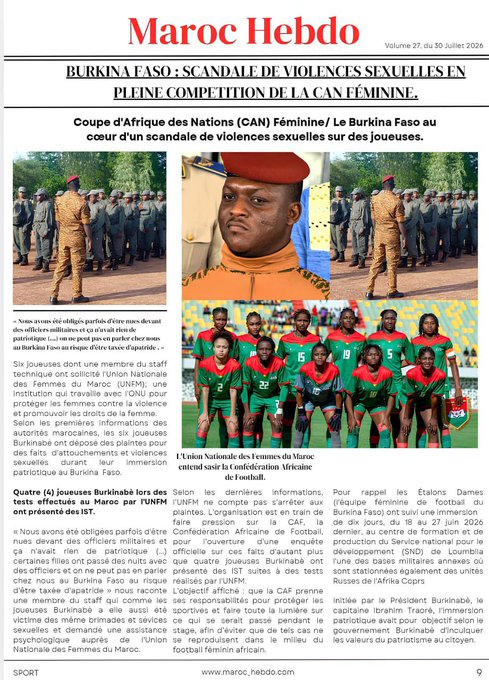
Allegations of sexual violence during a military-run training expose systemic risks
What was meant to be a disciplined, patriotic initiative for Burkina Faso’s women’s national football team has instead become a flashpoint for serious allegations of sexual abuse. Six players and a technical staff member have filed a complaint in Morocco, accusing military officers of committing acts of violence and sexual misconduct during a so-called “patriotic immersion stage” held at a military camp. The incident, if verified, would represent a severe breach of fundamental rights and highlight the dangers of an unchecked military presence in civilian spheres.
A widening military footprint in daily life
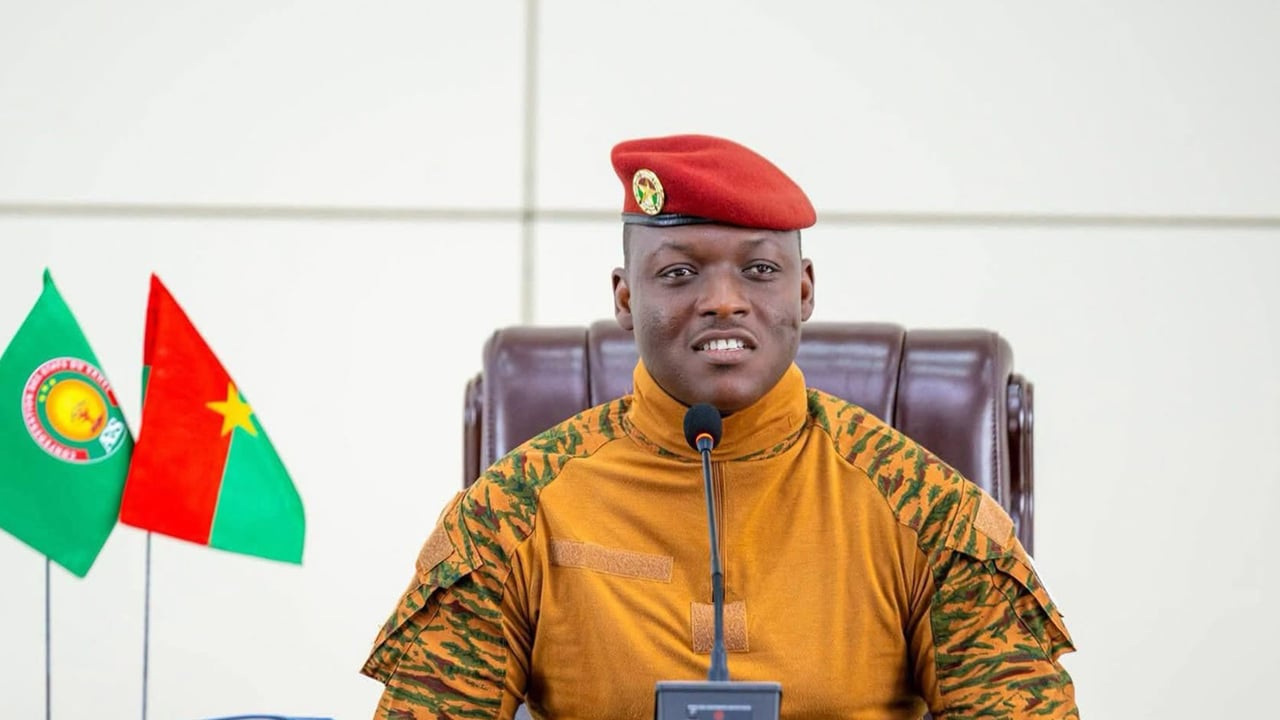
Since assuming power, Captain Ibrahim Traoré has steadily expanded the army’s role beyond national defense, integrating it into sectors such as civic education, youth programs, culture, political communication, and sports. This militarization of society is framed as a means of reinforcing national cohesion and discipline. However, critics warn that replacing civilian institutions with military structures in non-defense domains weakens oversight, accountability, and the rule of law.
The consequences of this shift are becoming increasingly visible. Human rights organizations have repeatedly cautioned that the erosion of democratic checks and balances—including independent media, civil society, and judicial bodies—creates an environment where abuses can go unchallenged.
Impunity thrives in the absence of oversight
A functioning democracy depends on institutional balance. When the justice system, free press, and civil society organizations operate under constraints, victims face immense barriers to seeking justice. Fear of retaliation—whether professional, social, or physical—can silence even the most determined individuals.
In this case, the decision to file complaints abroad rather than in Burkina Faso underscores a profound distrust of domestic mechanisms. It suggests that those affected felt safer pursuing legal recourse outside national borders, a troubling indicator of systemic failures.
The climate of fear stifling dissent
Several factors contribute to the current climate of repression. Criticizing the military is often framed as unpatriotic or even as tacit support for armed groups. Journalists, activists, and civil society leaders report intimidation, legal harassment, and curbs on press freedoms that limit independent scrutiny. Meanwhile, the primacy of security concerns frequently overshadows human rights protections, leaving victims vulnerable and their stories unheard.
The silence observed in parts of society should not be mistaken for consent. It may instead reflect the paralyzing effect of a climate where speaking out carries real risks.
Beyond football: a crisis of governance and trust
This scandal transcends sports. It raises critical questions about the military’s expanding role in civilian life, the state’s obligation to protect citizens in programs under its authority, and the limits of counterterrorism efforts when they erode judicial safeguards and public freedoms. The resort to international bodies for justice signals a breakdown in domestic trust—not just in institutions, but in the very idea that victims will be heard and protected at home.
Can international pressure force accountability?
The decision to seek recourse abroad may intensify scrutiny of Burkina Faso’s handling of the case. An independent, transparent, and credible investigation could help restore confidence—or expose further flaws in the country’s governance. Either way, the episode serves as a stark reminder: no political vision, no matter how noble its stated goals, can endure without the foundation of the rule of law.
Patriotism cannot justify the abandonment of justice
If these allegations are substantiated, they would mark a pivotal moment in assessing Burkina Faso’s trajectory under military-led governance. They would reveal not only the human cost of unchecked authority but also the fragility of institutions meant to safeguard citizens. The episode underscores a harsh truth: patriotism, when weaponized to silence dissent and obscure accountability, becomes a tool of oppression rather than a force for unity.

 theafricantribune
 Boureima Amadou