Mariama Hamani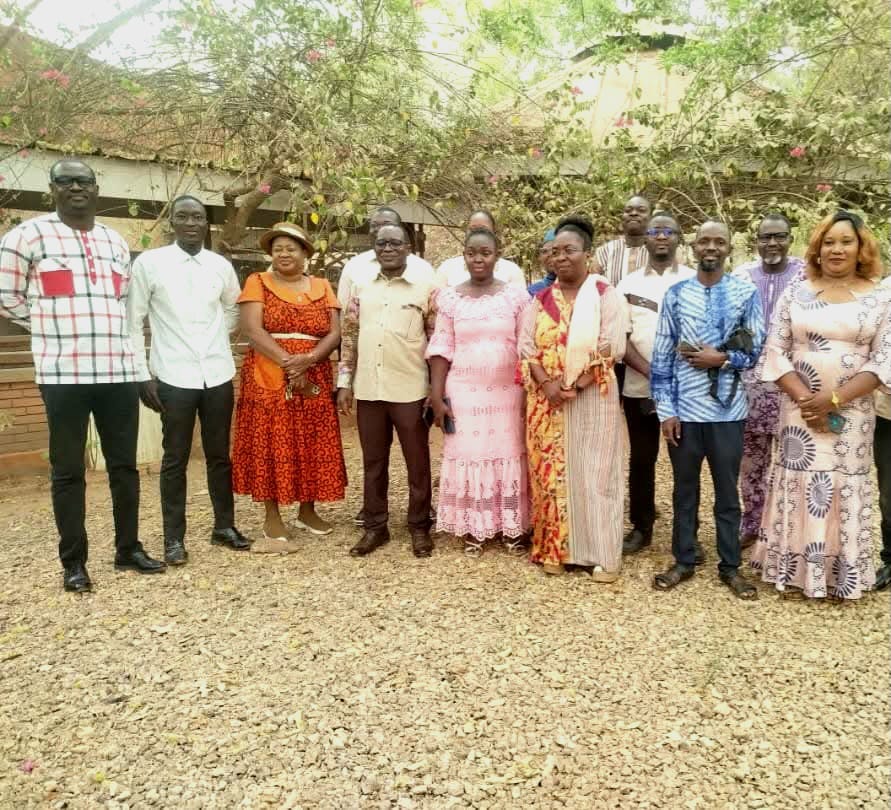
Burkina Faso faces funding gap in sexual and reproductive health services
In response to growing security challenges and a steady decline in international donor support, Burkina Faso is seeking sustainable, locally driven solutions to maintain critical sexual and reproductive health (SRH) services. Recent discussions organized by the African Media Network for Health and Environment Promotion (REMAPSEN) highlighted the urgency of this shift.
The Ministry of Health reports that over 80% of funding for SRH programs has traditionally come from external partners. With this lifeline dwindling, national stakeholders are now prioritizing homegrown financing mechanisms to safeguard access to essential health services.
community-led initiatives key to sustainable health funding
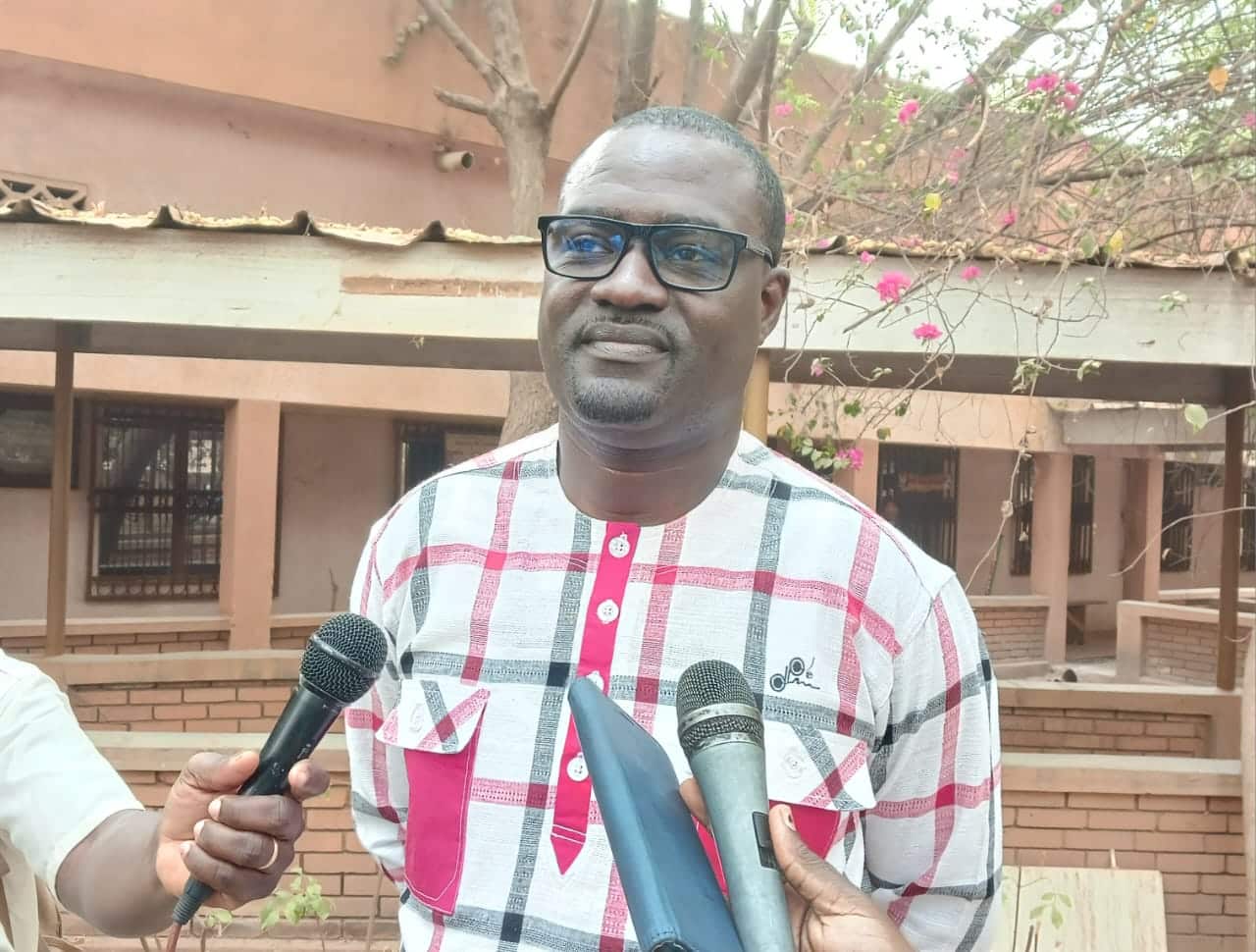
Désiré Thiombiano, Director of AMS Synergie Burkina Faso, emphasized the need for collective action. “We can no longer rely solely on external partners to fund sexual health services,” he stated. “Communities must take ownership to prevent early pregnancies, child marriages, and maternal deaths.”
To achieve this, Thiombiano proposed a three-pronged approach:
- Awareness campaigns: Educating populations on the importance of self-financing SRH services.
- Engaging opinion leaders: Involving religious and community leaders to drive positive masculinity and advocacy.
- Local resource mobilization: Institutionalizing community fundraising through local governments for transparent and sustainable fund management.
Dr. Clarisse Bougma, Family Health Director at the Ministry of Health, underscored the government’s commitment. Between 2020 and 2025, Burkina Faso invested nearly 3.9 billion CFA francs in contraceptive supplies. Despite reduced external aid, the Ministry remains dedicated to expanding SRH services, particularly in remote areas.
“Mobilizing local resources is a strategic priority. It ensures the sustainability of health initiatives and accelerates progress toward global health goals.”
media’s role in promoting local health financing
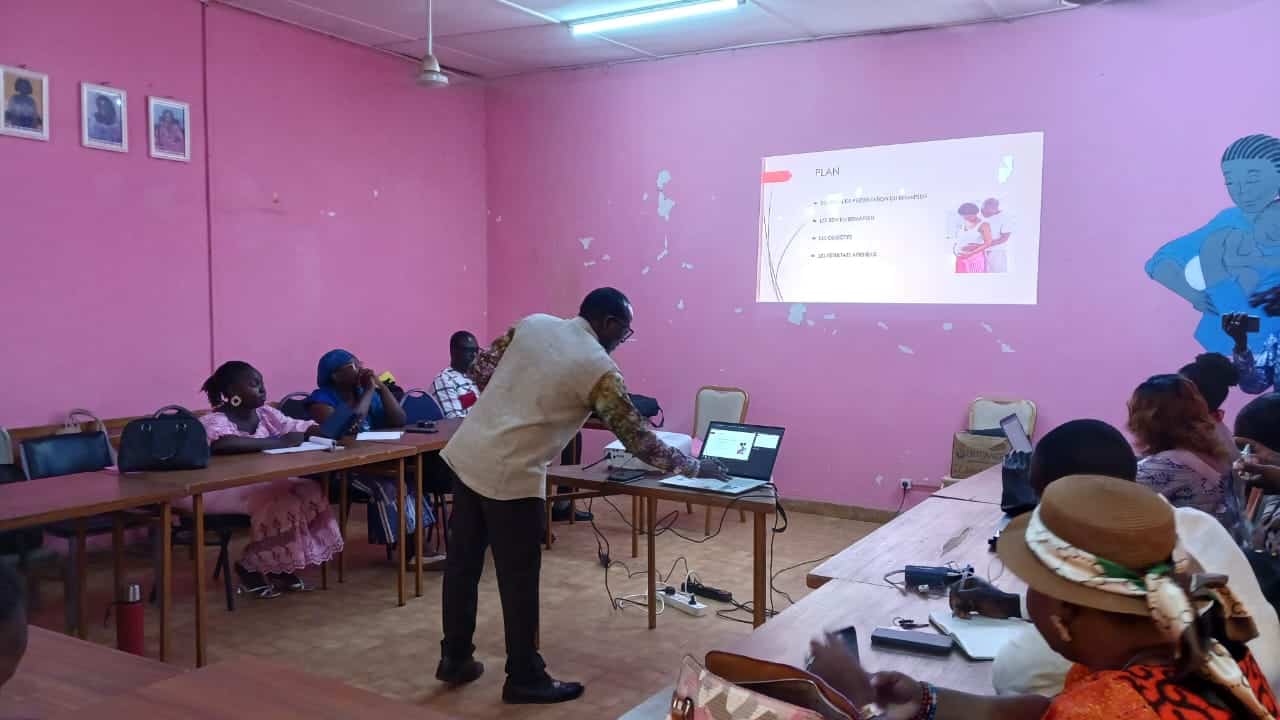
Boureima Sanga, REMAPSEN Coordinator in Burkina Faso, stressed the importance of media engagement. “In a context of multiple crises, journalists must understand and communicate local financing mechanisms to raise public awareness and support health sovereignty,” he explained.
The meeting, supported by the Ouagadougou Partnership, reflects REMAPSEN’s ongoing efforts since its establishment in 2020 to advocate for locally driven, sustainable health solutions across the country.
why homegrown financing matters for Burkina Faso
Burkina Faso’s push for local SRH financing addresses two critical challenges:
- Reduced donor dependence: Decreasing reliance on external funding secures long-term service delivery.
- Community empowerment: Local ownership fosters accountability and sustainability in health programs.
By integrating community-led strategies, Burkina Faso aims to build a resilient SRH system capable of withstanding external pressures while advancing public health outcomes.


 Boureima Amadou