Mariama Hamani
Decision marks a significant shift in Burkina Faso-France relations
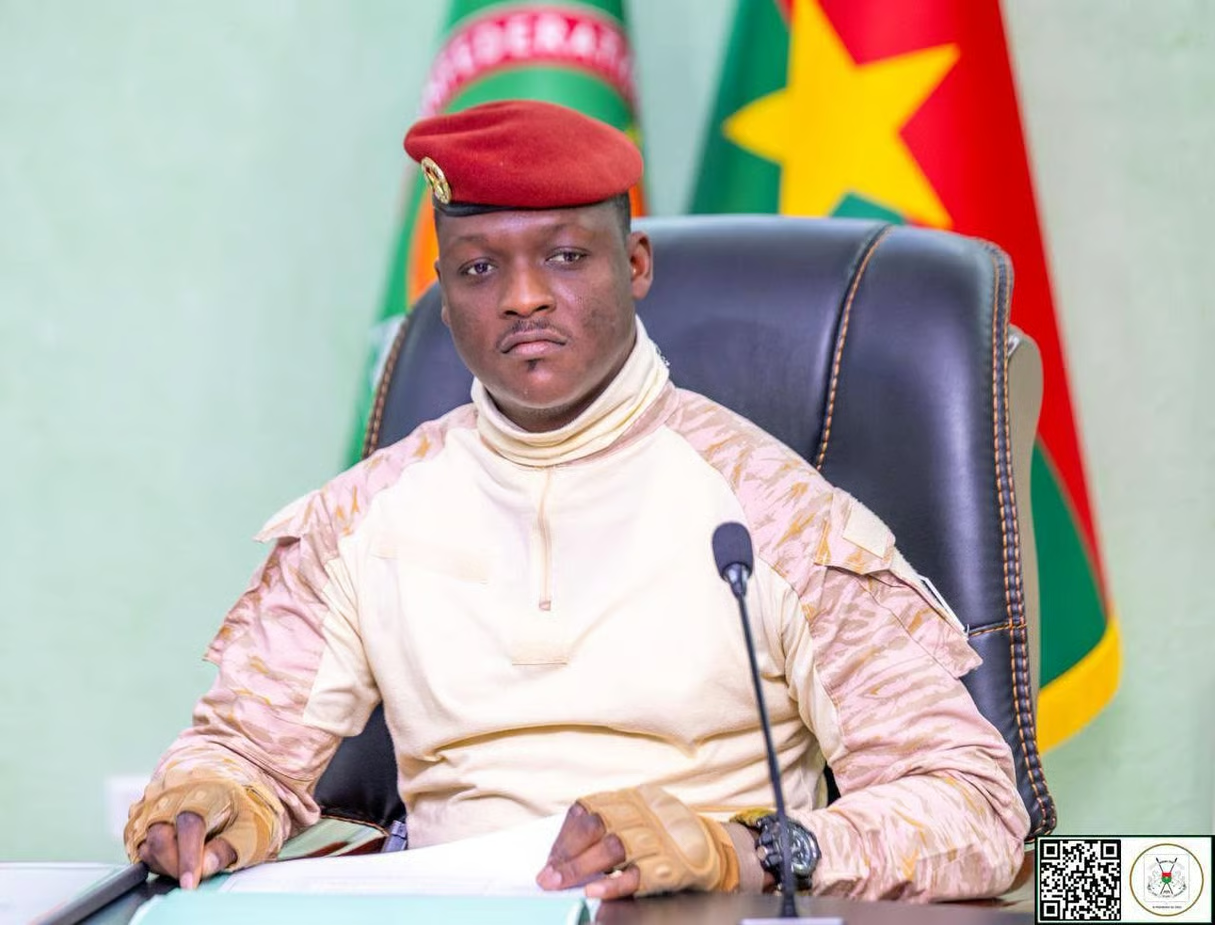
In an unprecedented move, the government of Burkina Faso has declared the immediate termination of all diplomatic ties with France. This bold decision, announced in a late-evening statement from Ouagadougou, underscores the growing strain between the two nations amid evolving regional dynamics.
The announcement comes at a time when West African nations are reassessing their international partnerships. Burkina Faso’s leadership has emphasized that this step reflects a broader commitment to sovereignty and self-determination in the face of external pressures.
Reasons behind the diplomatic rupture
The decision follows months of escalating tensions, with Burkina Faso accusing France of interfering in its internal affairs. Key concerns include disputes over military cooperation, resource management, and perceived political meddling. Observers note that this move aligns with a regional trend where several Sahel countries are reevaluating their relationships with former colonial powers.
- Military cooperation disputes: Burkina Faso has criticized what it describes as restrictive conditions imposed by France on defense agreements.
- Economic grievances: Accusations of unfair trade practices and resource exploitation have fueled resentment.
- Political sovereignty: The government has framed the decision as essential to reclaiming full control over national policies.
Immediate implications for both nations
For Burkina Faso, the severing of ties means the closure of embassies, the recall of ambassadors, and a potential reshaping of its foreign policy strategy. French nationals in the country may face new restrictions, while economic exchanges—particularly in sectors like mining and agriculture—could be disrupted.
In France, the decision is likely to trigger a reevaluation of its African policy, especially regarding former colonies. Analysts suggest this could accelerate a broader shift toward partnerships with other global players, including emerging economies in Asia and the Middle East.
Regional reactions and future outlook
The announcement has sent ripples across West Africa, where neighboring countries are closely monitoring the situation. Some governments have expressed cautious support for Burkina Faso’s stance, while others warn of the risks associated with abrupt diplomatic shifts. The African Union has yet to issue an official response, but the move is expected to dominate discussions at upcoming regional summits.
As Burkina Faso charts a new course in its international relations, the decision raises critical questions about the future of cooperation in the Sahel. Will other nations follow suit, or will dialogue eventually restore some form of engagement between Ouagadougou and Paris?

 Boureima Amadou