Boureima Amadou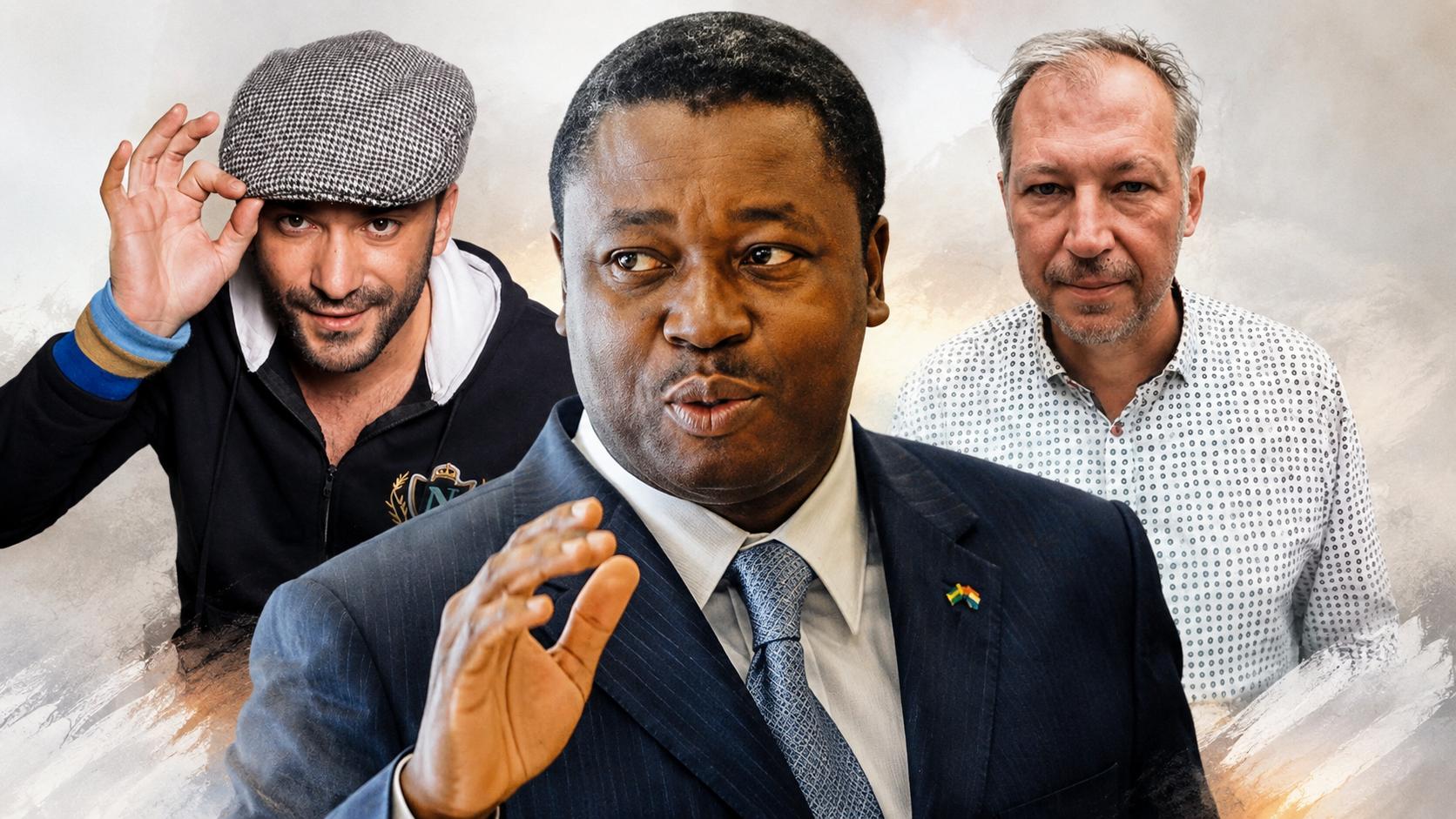
The apprehension and subsequent formal incarceration of two French filmmakers and journalists in Togo this past Monday, August 17, marks a significant escalation in the security and diplomatic tensions emanating from the Lomé regime. This incident, unfolding in mid-August 2026, has cast a harsh spotlight on the West African nation’s stance on press freedom.
Sébastien Perez Pezzani and Gaël Mocaër, who were detained in the northern region of the country while engaged in documentary production, have since been charged and placed under a detention order. What initially began as a supposed administrative oversight has rapidly transformed into a matter of profound political implication.
The administrative pretext for security restrictions
Togolese authorities have cited non-compliance with accreditation protocols and alleged visa violations as the basis for detaining the two visual professionals. However, these justifications are viewed by many as a pretext for broader security measures:
- A zone under heightened surveillance: Northern Togo, a region frequently impacted by incursions from armed groups originating in the Sahel, operates under a state of security emergency. Within this sensitive area, authorities enforce stringent controls over information dissemination and prohibit any unsupervised reporting activities.
- The Thomas Dietrich precedent: This approach mirrors the swift arrest and subsequent expulsion of French journalist Thomas Dietrich in April 2024. It underscores Lomé’s palpable distrust, bordering on paranoia, towards the foreign press, which is often viewed as a potential destabilizing force.
Ferdinand Ayité: a diplomatic bargaining chip?
Beyond the strict application of legal procedures, the detention of these two individuals is widely interpreted as a strategic pressure tactic employed by Lomé against Paris. This perspective is shared by numerous observers:
- The pursuit of exiled dissidents: The administration of Faure Gnassingbé appears to be leveraging the detention of the French citizens to extract concessions from French diplomacy. A key objective is believed to be the situation surrounding Togolese investigative journalist Ferdinand Ayité, who currently resides as a refugee in France and remains a persistent target of the Togolese government.
- Media hostage diplomacy: By keeping these filmmakers imprisoned, Lomé seemingly aims to recalibrate the power dynamics with France. This strategy, however, risks further tarnishing Togo’s international image on the global stage.
Press freedom stifled in Togo
The targeting of international journalists, following a systematic crackdown on independent local media, reaffirms the current Togolese regime’s determination to control the national narrative. While diplomatic efforts are reportedly underway behind the scenes to secure the release and repatriation of the two filmmakers, this incident starkly illuminates the tactics of a government seemingly prepared to utilize the deprivation of liberty as a form of political leverage. This development raises significant concerns for African current affairs and governance in the region.



 Mariama Hamani