
 Mariama Hamani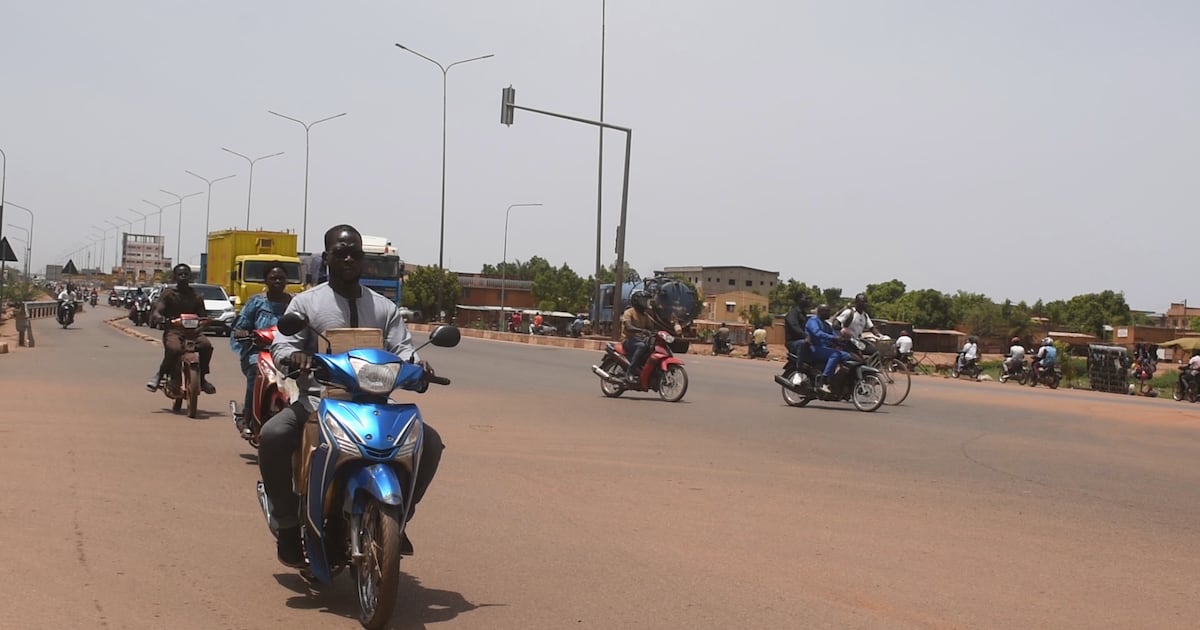
While some road users commend the initiative, others express doubts about its impact on public safety, citing concerns over inadequately equipped infrastructure.
«Given that traffic already follows regulated rules, permitting Mio-type motorcycles to share bicycle lanes makes perfect sense», remarks Ben Ouattara, a delivery driver navigating the capital’s bustling streets daily.
The Mio scooters in question are compact, lightweight two-wheelers favored for their affordability and ease of maintenance, particularly in urban settings.
Government officials defend the move as a strategic step to ease congestion on major roads. By rerouting certain two-wheelers to designated bike lanes, authorities aim to ease pressure on primary thoroughfares and foster better coexistence among all road users.
«They likely introduced this rule to protect citizens, but keeping the status quo might have been wiser. The bike lane is too narrow to handle an influx of motorcycles, which could lead to gridlock. Still, we’ll monitor the situation closely», notes Sirina Ouédraogo, a frequent commuter.
Many Burkinabè argue that this single measure won’t resolve the city’s chronic traffic jams. With motorcycle numbers rising steadily, sustainable solutions will require both individual responsibility and broader systemic changes.
«Riding on bike lanes forces us to be more cautious since space is limited. This self-restraint could help reduce accidents», observes Abdoulaye Mané, another daily commuter.
«Unfortunately, many riders ignore basic traffic laws. Some weave unpredictably between lanes or fail to signal turns properly. Women, in particular, often travel in the wrong direction. The simplest advice? Slow down. Speed demons often crowd bike lanes just for thrills», criticizes Sergène Yabré, a concerned resident.
Several commuters advocate for expanding bike lanes to accommodate more motorized two-wheelers safely. Upgrading these paths—originally designed for bicycles—could enhance traffic flow and potentially become a key strategy in combating urban gridlock.


 Boureima Amadou





