
 Mariama Hamani
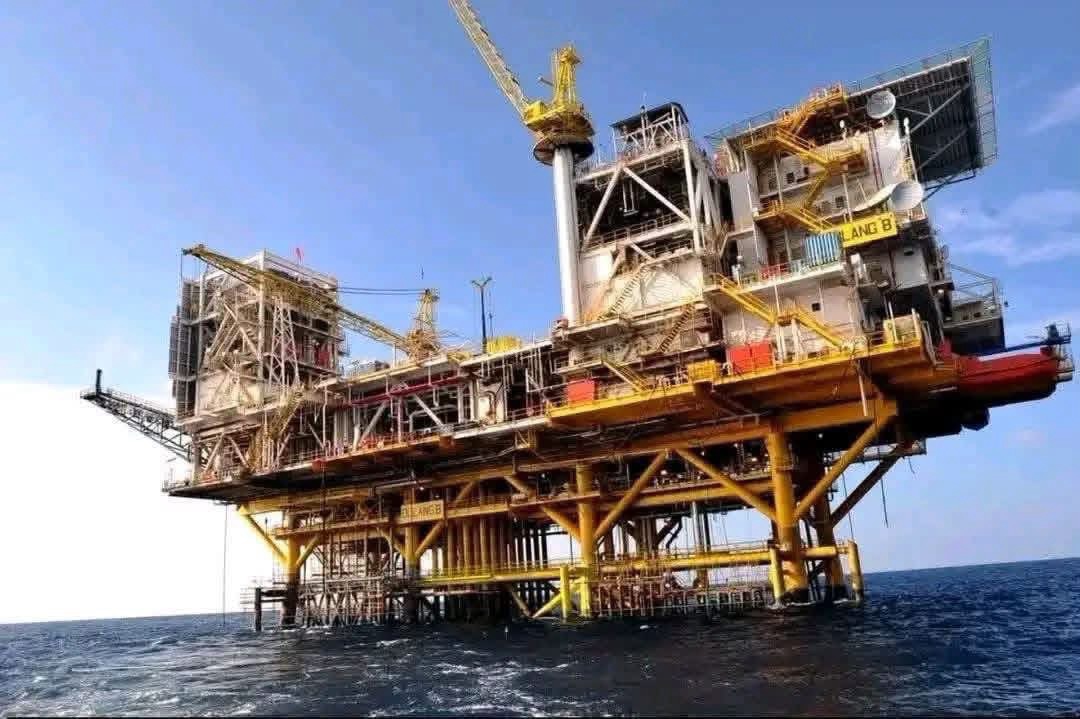
From dormancy to dispatch: Benin’s oil sector undergoes a pivotal reawakening
The West African nation of Benin has reached a watershed moment in its energy history, with the first shipment of crude oil from the long-dormant Sèmè offshore field en route to Europe. A 330,000-barrel cargo aboard the Kriti Jade tanker is currently heading toward Rotterdam, marking the commercial resumption of a project that lay idle for nearly 30 years.
Rebirth of a forgotten resource: Sèmè’s journey from 1982 to 2026
The Sèmè field, located off Benin’s coast, first entered production in 1982. But by the late 1990s, declining output and mounting technical and economic challenges forced operators to suspend activities. For decades, the field remained dormant until a recent wave of investment, technical upgrades, and new partnerships reignited production under the stewardship of Akrake Petroleum Bénin. The successful restart in early 2026 culminated in the historic export shipment, signaling the country’s re-entry into the global oil trade.
A new pillar for economic diversification
Benin’s economy has long depended on trade, agriculture, port activities, and services. The reintroduction of crude oil exports adds a critical new dimension, offering potential benefits such as:
Additional foreign exchange earnings
Enhanced fiscal capacity for public investment
Reduced reliance on volatile energy import markets
While Benin is not poised to become a major oil producer, the resumption of exports strengthens its position within the international energy sector and broadens its economic base.
More than oil alone: unlocking wider opportunities
The ripple effects of Sèmè’s revival could extend far beyond the oil sector. Key benefits may include:
Job creation in technical fields such as marine logistics, industrial maintenance, and engineering
Local content development through preferential access for Beninese firms in supply chains
Knowledge transfer via training programs and partnerships with international operators
Investor confidence in Benin’s energy sector, potentially attracting further foreign direct investment
Realizing these gains, however, will require robust local participation, transparent governance, and a stable regulatory environment.
Crude export vs. domestic fuel needs: clarifying the distinction
It is essential to recognize that exporting crude oil does not equate to cheaper refined fuels at home. The oil extracted from Sèmè is a raw material destined for global markets. Benin will still rely on imported gasoline, diesel, and other refined products to meet domestic demand until local refining capacity is developed if ever.
In the longer term, authorities may explore refining opportunities, but only after evaluating feasibility, demand, and cost-effectiveness. Such a move would aim to retain greater value within the national economy.
Sustainability and transparency: the long road ahead
The true test of this project lies in its longevity. To ensure enduring success, Benin must address several challenges:
Production stability: maintaining economically viable output levels over time
Environmental stewardship: implementing rigorous safeguards for marine ecosystems
Revenue management: allocating oil proceeds to productive sectors like infrastructure, education, and healthcare
Public accountability: publishing regular production and revenue data to build trust and enable oversight
The first shipment to Rotterdam is more than a milestone it is a foundation. But Benin’s ability to convert this temporary momentum into lasting prosperity will define the legacy of its oil revival.
From potential to progress: what comes next for Benin?
As the Kriti Jade continues its journey, the nation stands at a crossroads. The Sèmè field’s restart offers a rare chance to diversify the economy, create skilled employment, and integrate Benin more fully into the global energy landscape. Yet the path forward demands disciplined planning, inclusive growth, and unwavering transparency ensuring that oil revenues translate into tangible benefits for all citizens.
By Mariama Hamani — Journalist



 Boureima Amadou





